
Medford is a town with pieces of history sprinkled around. Some of that history is found in boxes in the attic of the historic Kirby’s Mill, the last operating commercial mill in New Jersey and one of the oldest mills in the state.
Sure, most items in there are antiques that have survived in the establishment on Church Road since the 1770s (construction began in 1773, and it was in operation by 1778). Things like its original machinery and materials are found throughout the building. However, some less durable items continue to be discovered, and local groups work to preserve — and celebrate — their charm.
What are they? Quilts. Lots of them, with lots of sizes, patterns, history, and craftsmanship.
As of late, there have been dozens of quilts uncovered amongst the boxes in the attic of the Mill, which the Medford Historical Society purchased in 1969. Medford Historical Society trustee Libby Zimbleman and member of Medford’s quilt guild, called the Berry Basket Quilters, works every year to celebrate the historic trade of quilting by putting a variety of quilts — old and new — on display in Kirby’s Mill for the annual Medford Quilt Show.
The 19th Annual Medford Quilt Show was held the first weekend of June, running six hours each day. The free event draws in a variety of visitors. Some are members or friends of the Historical Society or the Berry Basket Quilters (which has about 100 members), others are avid quilters or fans of quilting, some just stop by as they drive past the Mill.
“I think the quilt shows are very nice because it highlights a craft that is ‘on’ and ‘off’ in popularity,” said Chris McCoy, a longtime member of the Berry Basket Quilters who was volunteering at the event. “After the quilt show, more people tend to say, ‘Oh, maybe I’ll try that,’ or “Oh, I now know why they’re so expensive, because so much work goes into them.’”
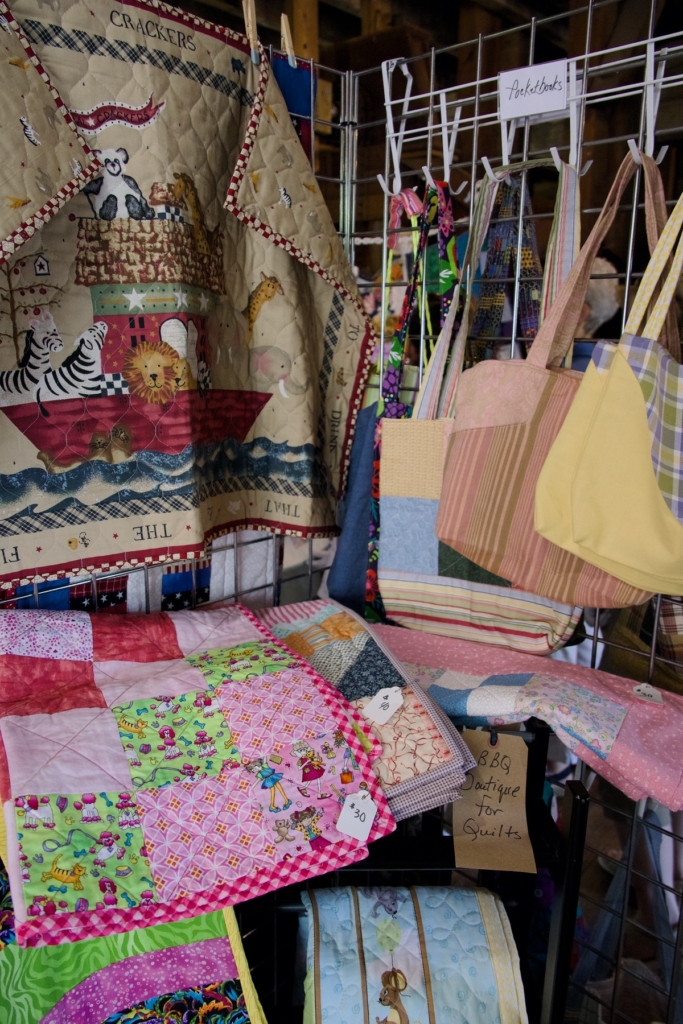
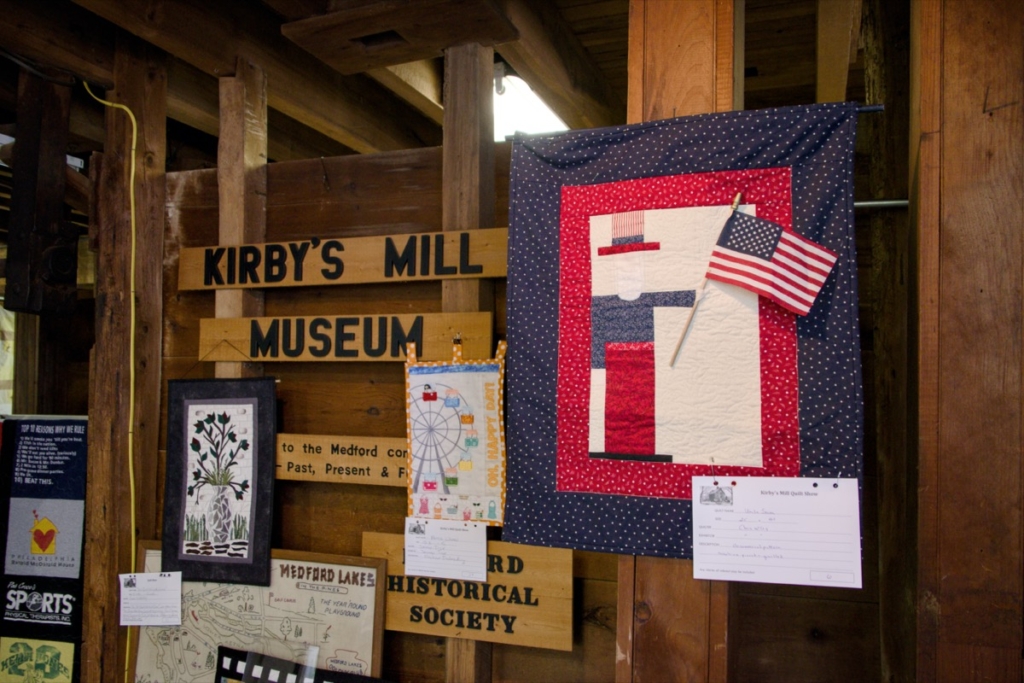
The first two floors of the Mill were covered in handmade quilts. Guests had the opportunity to wander in and stroll through a museum-like experience of quilts. Nearly 70 quilts were on display this year, and an additional selection of quilts and quilted items (like tote bags and placemats) were available for purchase.
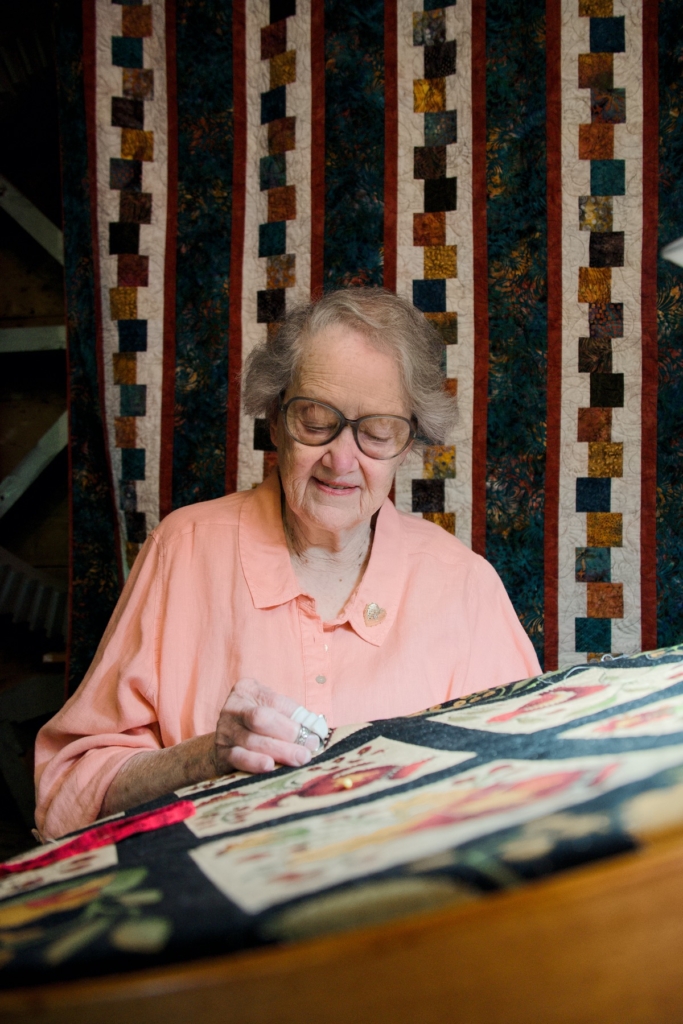
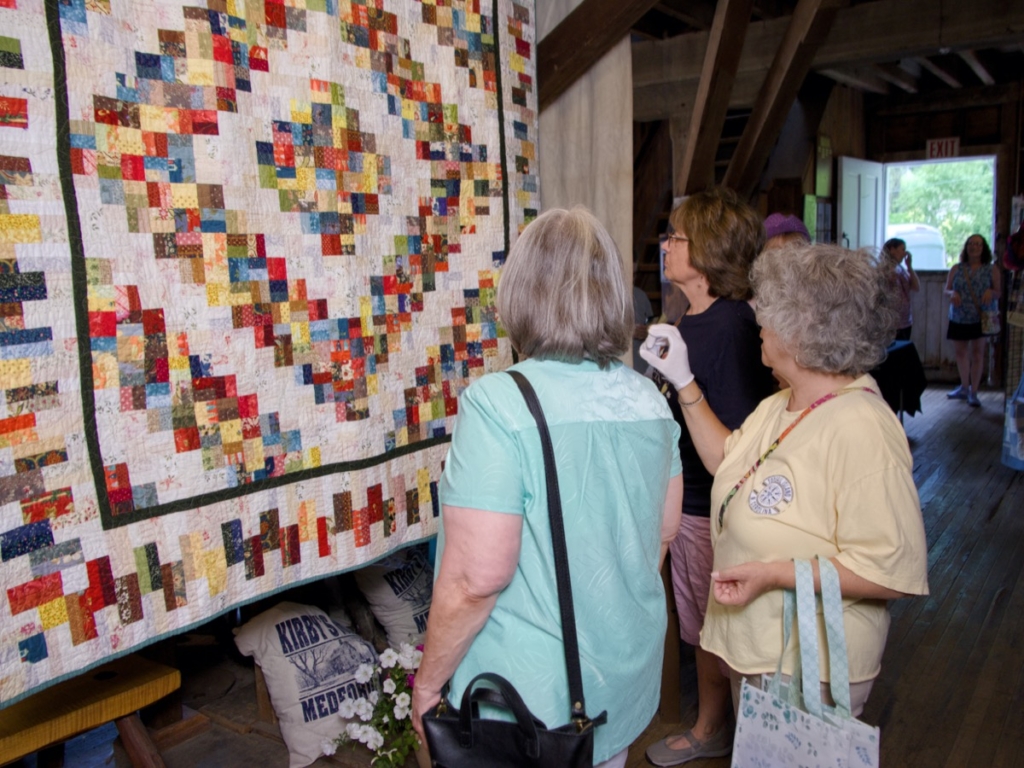
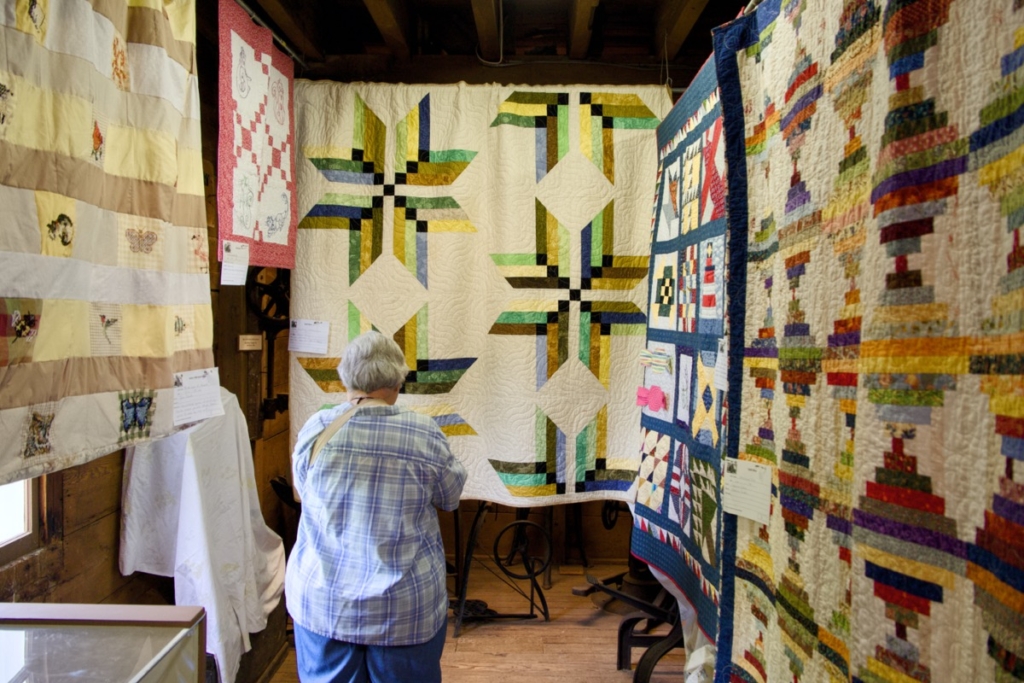
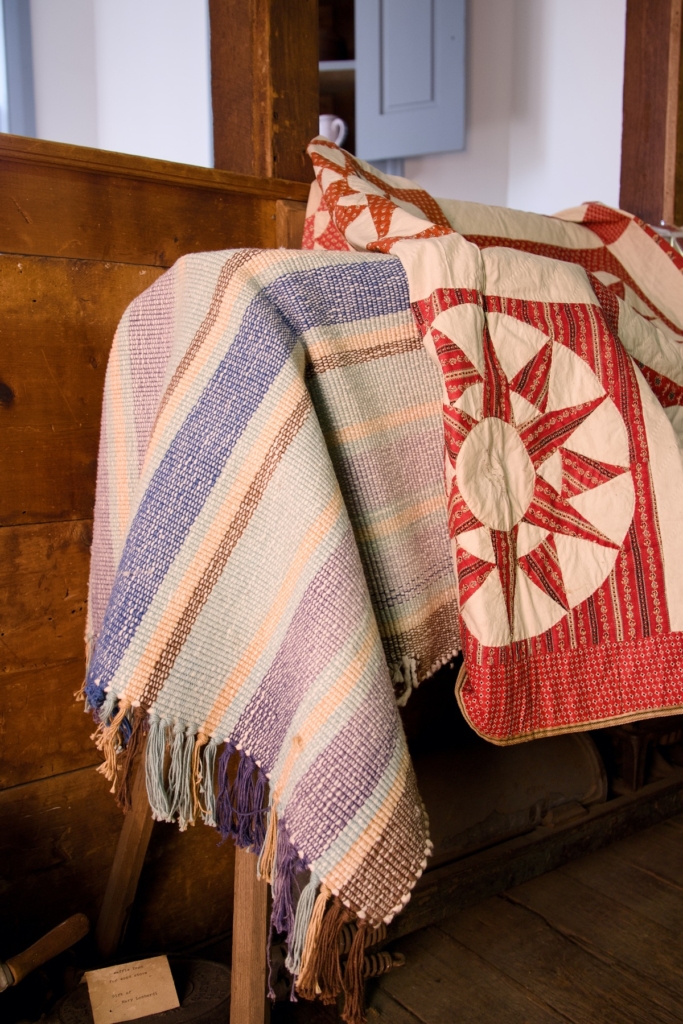
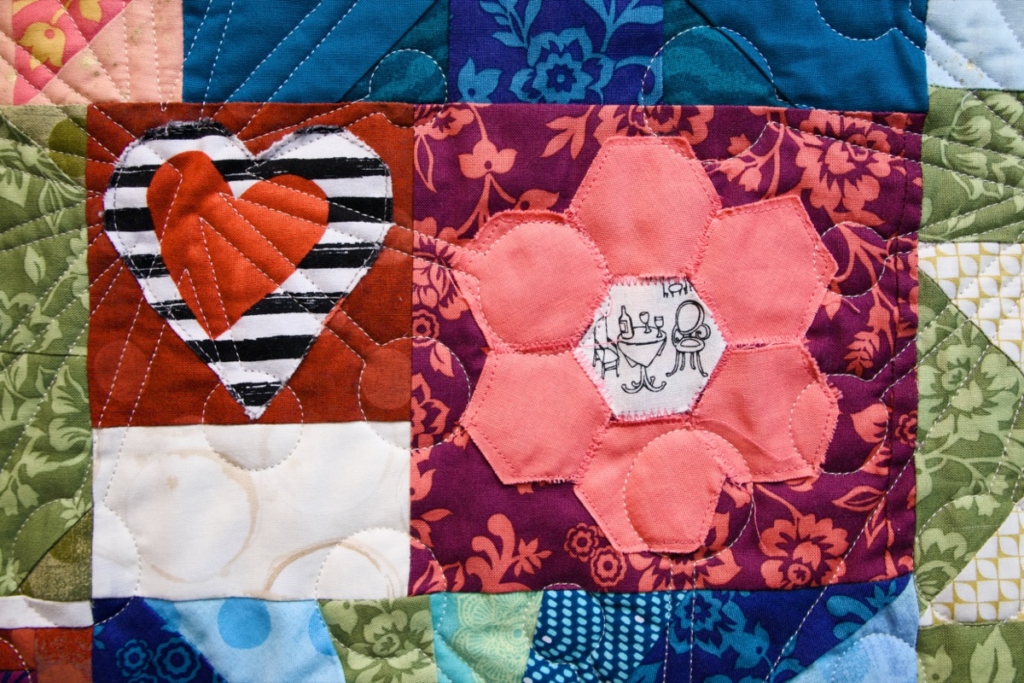
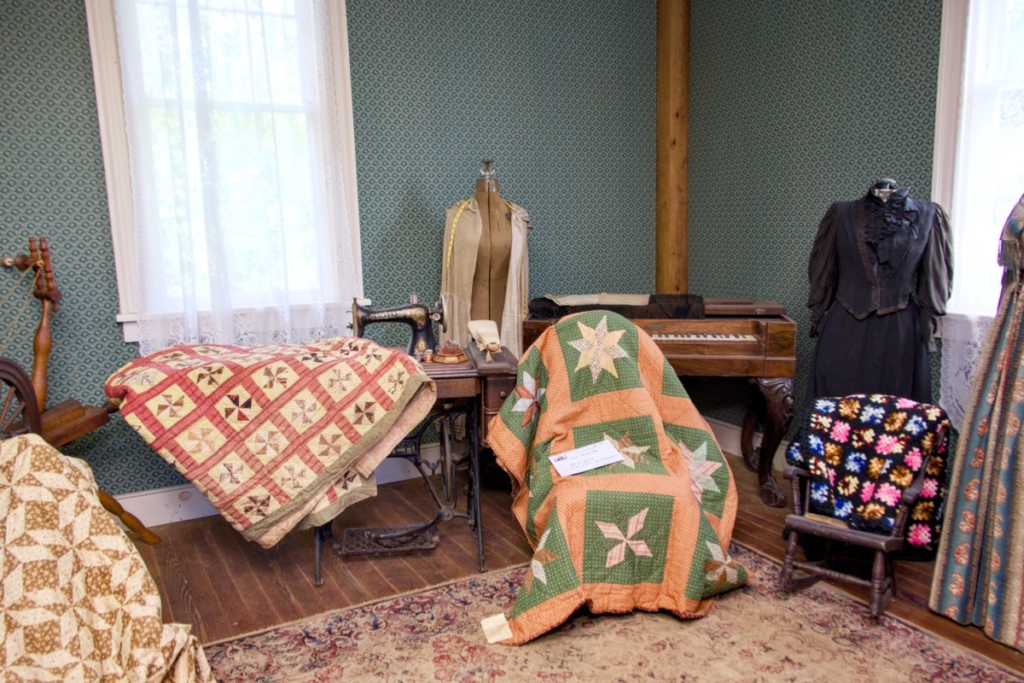
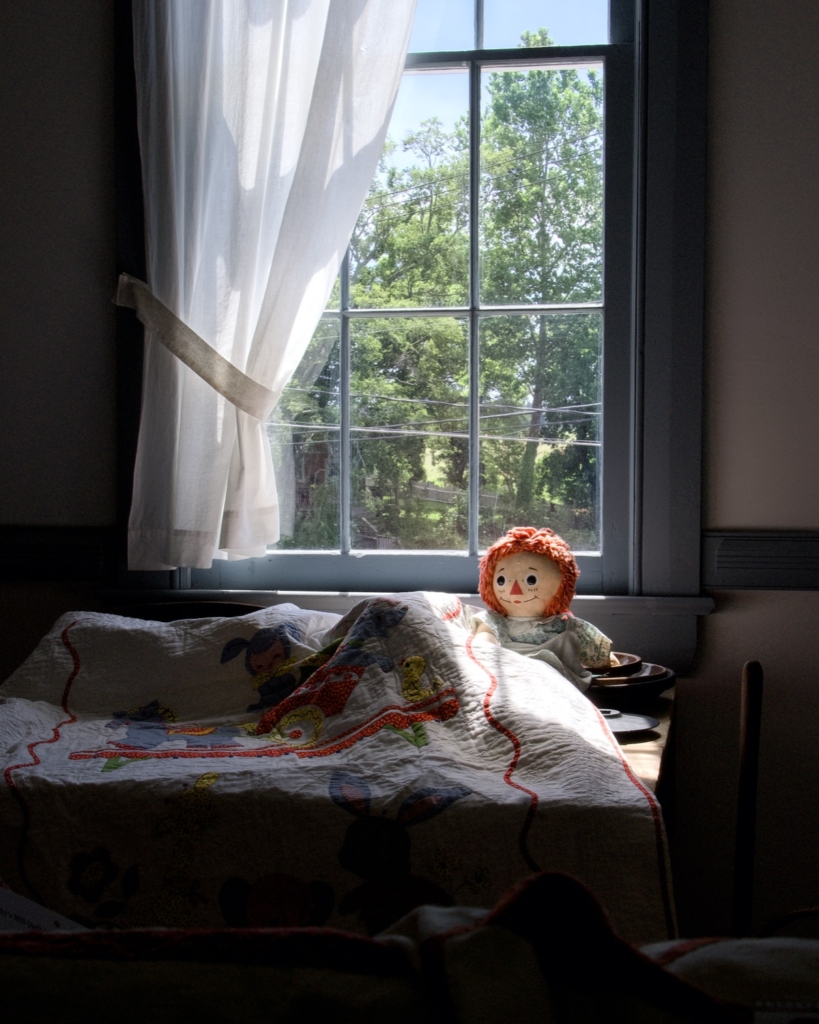
The purpose of the Medford Historical Society’s annual Quilt Show is to celebrate the craft of quilting. The show highlights a craft that has fluctuated in popularity over the years, said Chris McCoy, a member of the Berry Basket Quilters. Medford Historical Society trustee Libby Zimbleman smiles when people talk to Susan Painter as she demonstrates her handquilting skills. People are not only curious about quilting, but also want to try it or learn the craft.
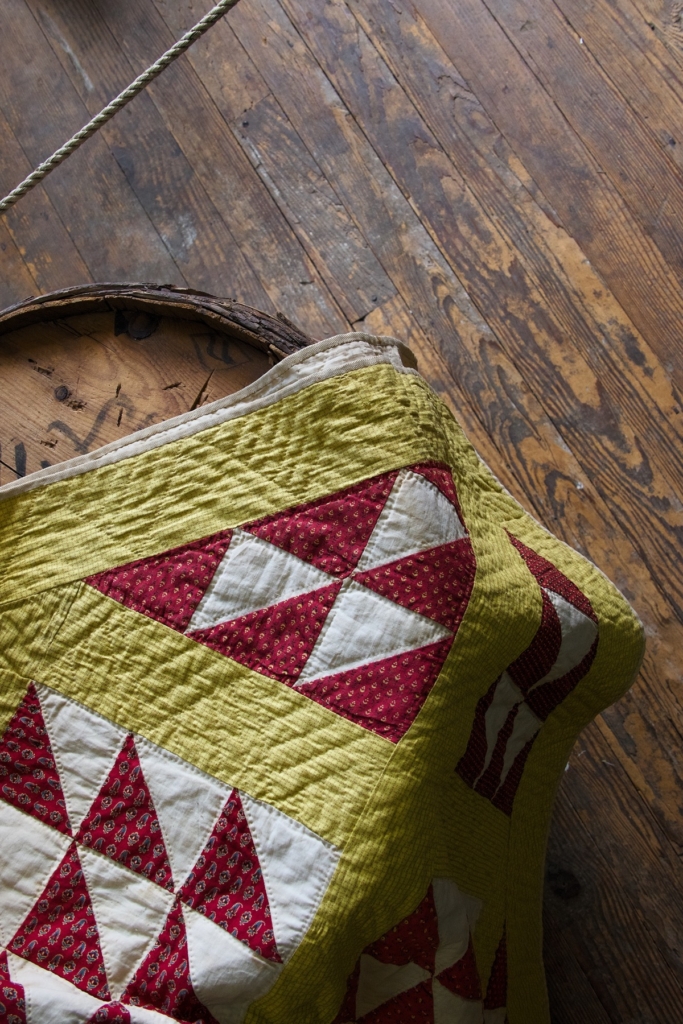
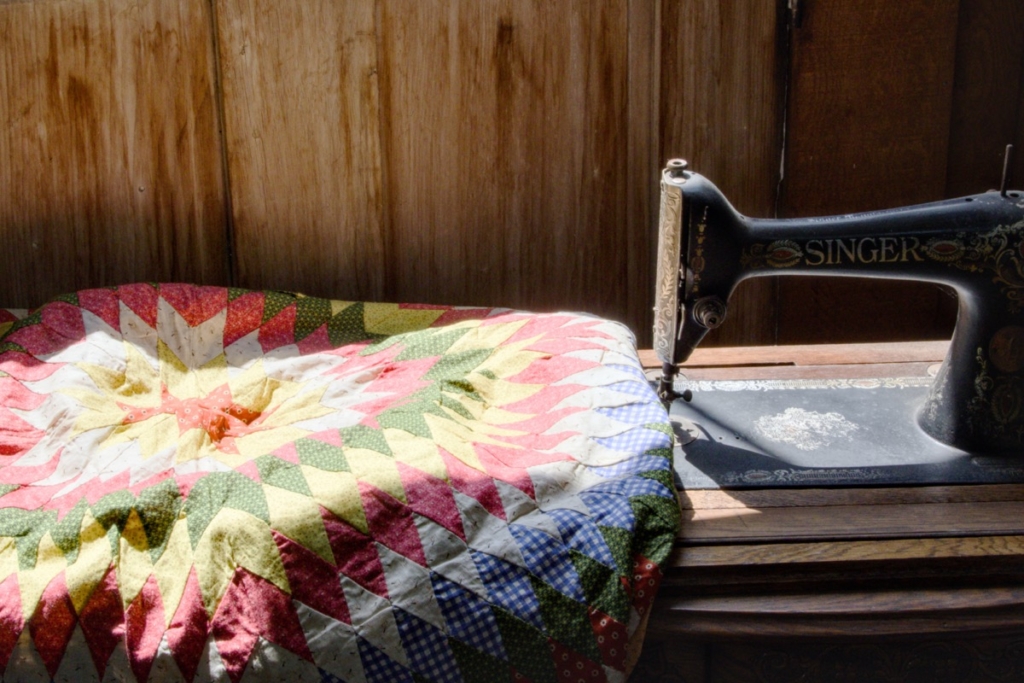
The quilts at the Mill ranged in size and style. Some were several feet wide and long, designed with more traditional patterns like leaves, squares, and stars, while others were unique in size and design.
Most of the traditional quilts are antique, dating back to the 1800s. Some of these were hung on display, but a good deal of them were placed in antique scenes on the second floor in Victorian rooms of the Mill, posed with antique dolls, furniture, clothing, and appliances.
A standout quilt hung right at the entrance of the mill is a large white piece with red embroidery. According to Zimbleman, it is a decades-old quilt with the names of the people living in town at the time embroidered on it. It is accented with wildlife and plants native to the area. A piece like this is an example of the history and craftsmanship found within quilting.
“It was a gift. It’s from 1900, so it gets packed away and comes out every year because it’s very unique,” Zimbleman said.
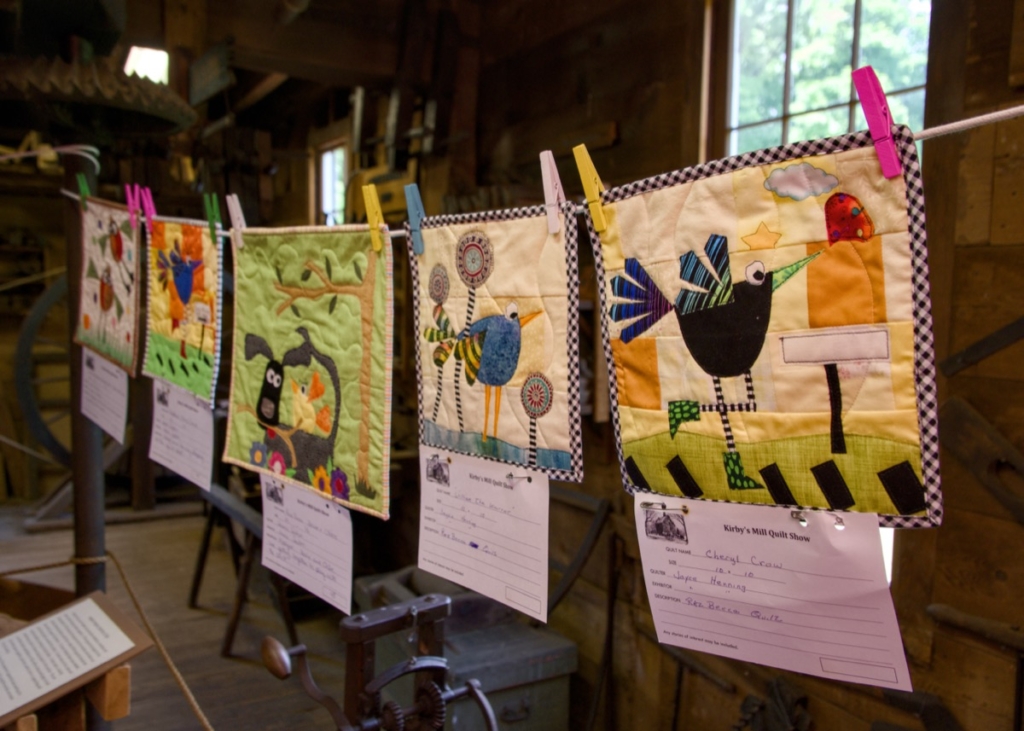
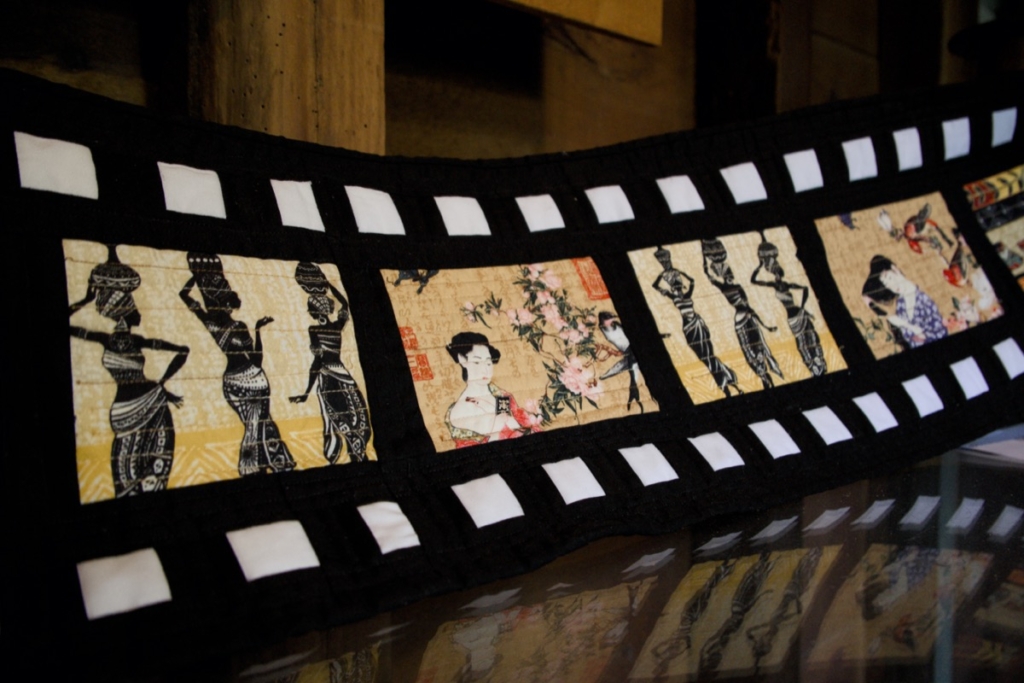
As far as some modern quilts, there was a collection of four miniature square quilts with funky, whimsical bird designs hung from a clothing line upstairs; a few pop culture-inspired pieces in tribute to bands like the Beatles; and a quilt designed as a long piece of filmstrip with each frame representing scenes of historic African and Asian figures.
While a great number of the quilts on display are treasured pieces that are hung up every year or leant to the Historical Society for the event, some of the special quilts are available for purchase, if a visitor inquires. Zimbleman said that four quilts were sold at this year’s show, and 10 percent of each sale goes to the Historical Society.
While sharing quilts with others and giving them a new home is important, it does not compete with the main mission of the Historical Society, which is to just celebrate the craft. Engaging with guests and telling them about the pieces on display or explaining how to perfect a certain kind of stitch is how these skillful quilters are keeping the tradition alive.
And perhaps one of the most fascinating ways the Quilt Show engages guests is by having Susan Painter, a lifelong quilter and founding member of the Berry Basket Quilters, sit in a corner of the first floor and demonstrate her handquilting skills. At each quilt show for the past few years, Painter sets up her chair, adjustable lamp, and quilting supplies to work on a quilt specifically dedicated to demonstrating; she’s been working on it for three years now.
“A lot of people like to watch her handquilting. It’s a trade that’s kind of phasing out,” Zimbleman said. “Whenever I see someone talking to her about it, it just makes me smile, because people want to learn. So it’s not phased out completely.”

