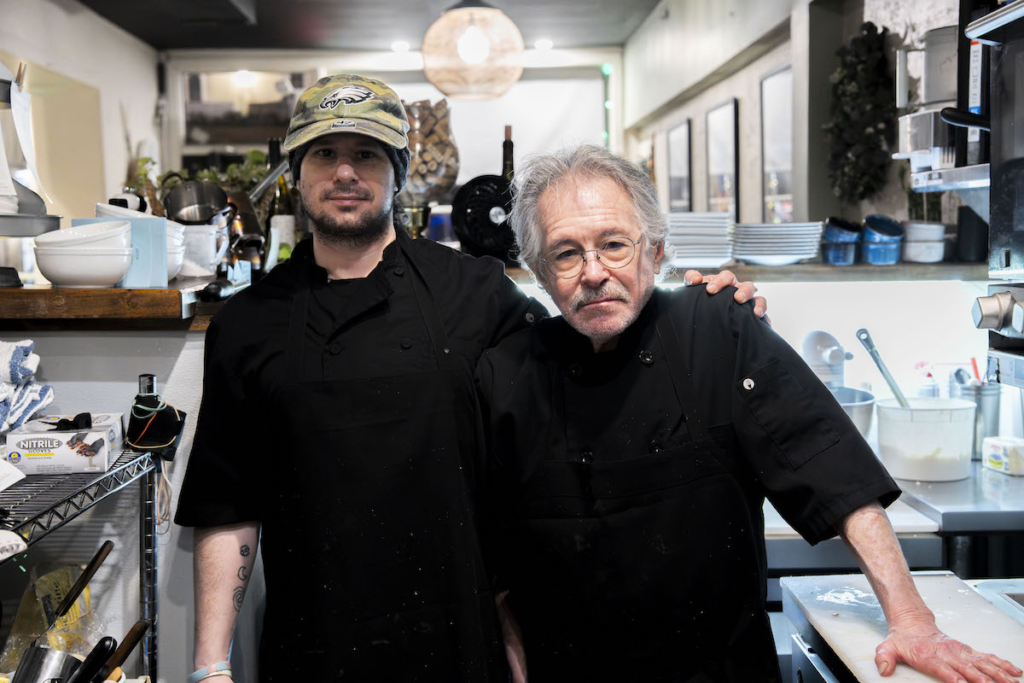
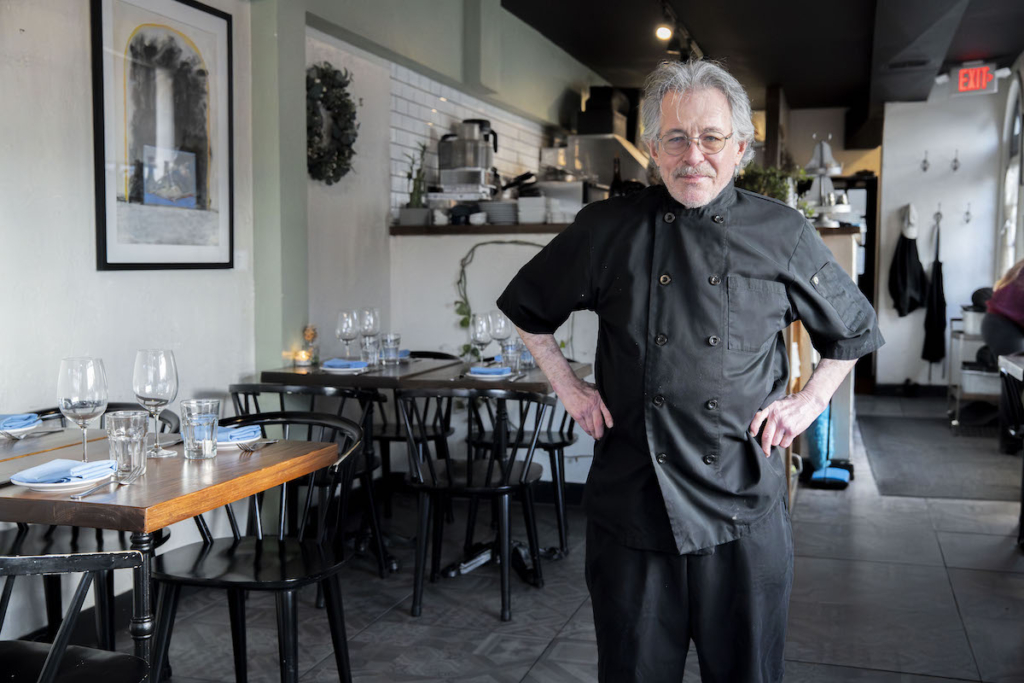
Around that time in life when many people are kicking back and slowing down, chef Alan Lichtenstein decided to buy his first restaurant. Five years ago at age 68, and after almost 50 years in the industry, The Little Hen, where Lichtenstein had been working as the chef de cuisine for two years, was being sold. Lichtenstein decided it was now or never to be his own boss. He cobbled together the funds and, voilá! He had his very own French restaurant. “It was either buy the restaurant or go and work for somebody at 68 and most people wouldn’t hire a guy like me.”
Since then, Lichtenstein’s cozy restaurant has garnered rave reviews online from a devoted clientele, some returning as many as 30 or 40 times. With words like “extraordinary,” “phenomenal,” and “incredible” popping up consistently in online reviews, what stands out is that now, at 73, Lichtenstein is still the force behind the success of this small jewel box of a restaurant.
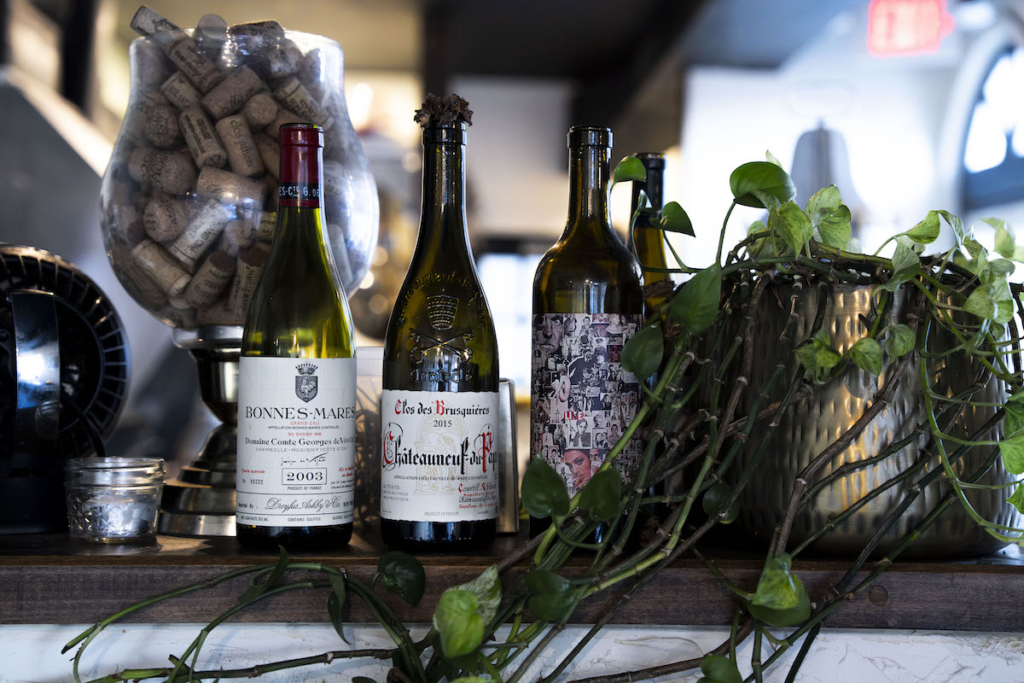
The Little Hen seats 18 and is BYOB. With around 115 meals served a week, Lichtenstein, as the head chef, along with one part-time sous-chef, is often responsible for as many as 36 patrons a shift. On any night turning out complex dishes like escargots in hazelnut garlic butter, croustades of crab with saffron butter, coq au vin, and duck frites, his twist on the classic French dish.
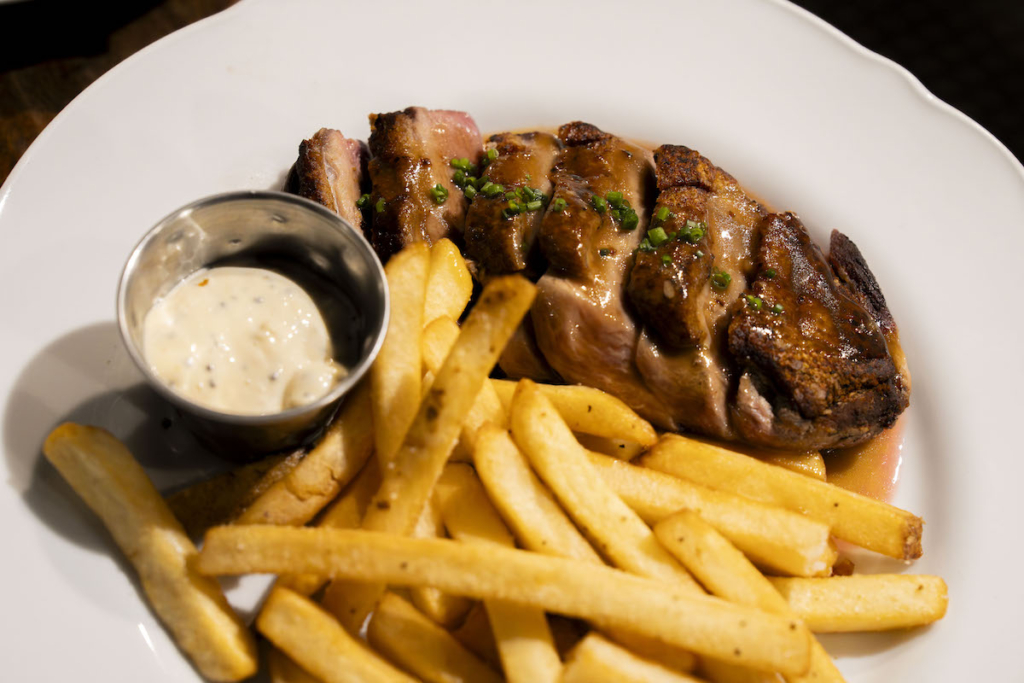
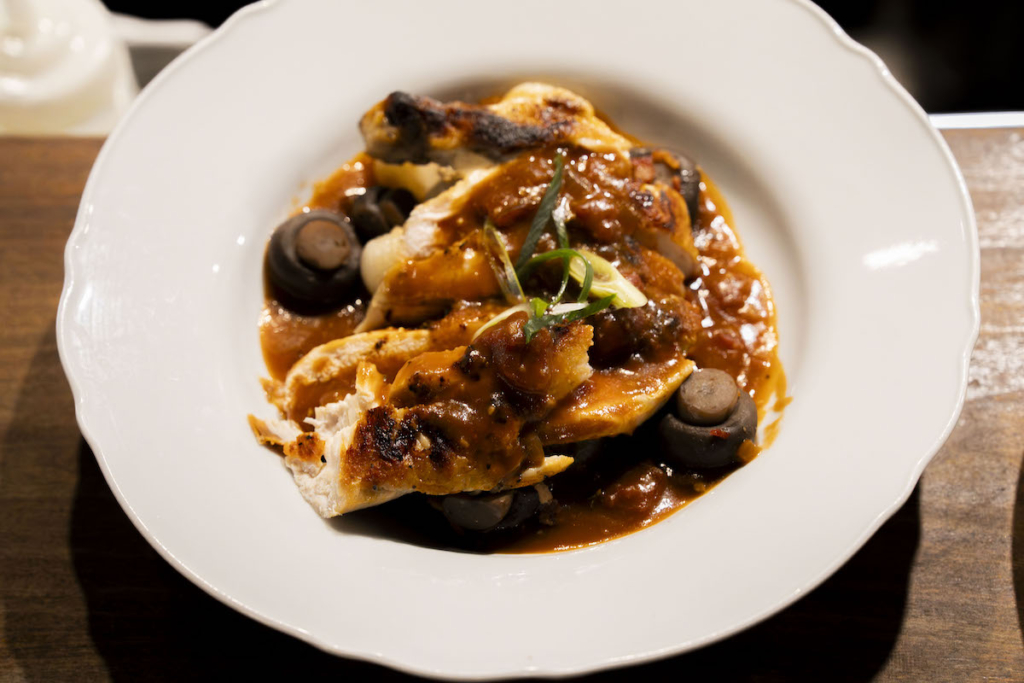
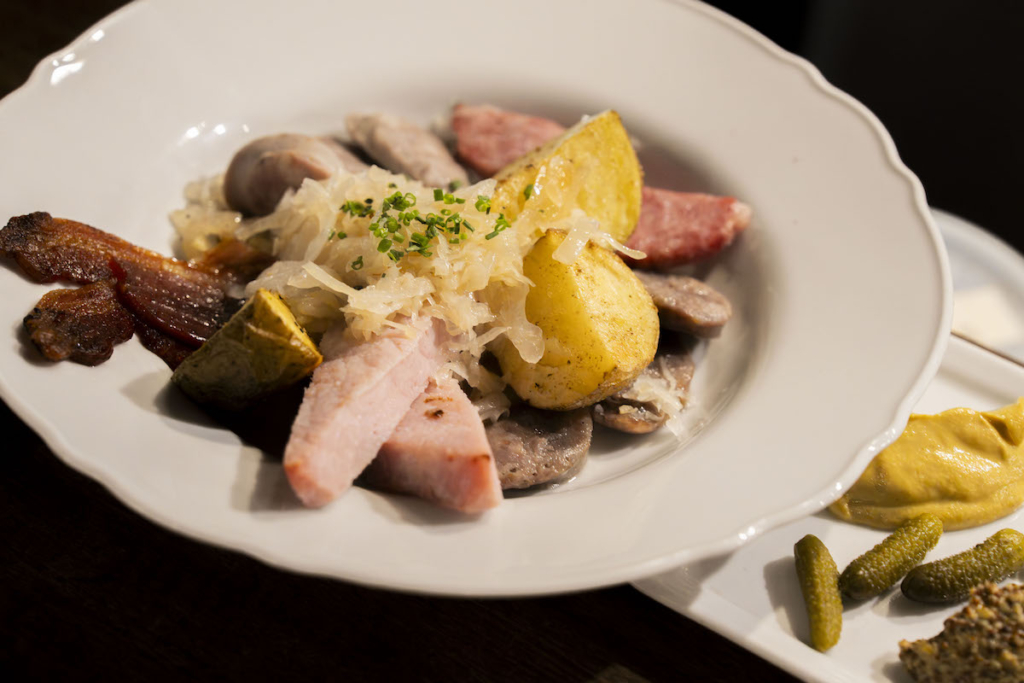
Lichtenstein seems to be both passionately rigorous and passionately loose about his craft. He sources high-quality ingredients, buying his meat, for example, at the famous Philadelphia institution Esposito’s. Every Monday is reserved for shopping for the best local produce. Specials are based on where his curiosity might take him, like a recent duck confit with sweet potato, apple puree, and savoy cabbage. (“I mean, it’s potato season and it’s a perfect time for duck and sweet potatoes,” he explains.)
Customers have come to know that Lichtenstein might slightly alter a dish if the mood strikes him. “If you have a tomato soup today, it may be a totally different tomato soup next week. I make from the heart and not from the book. I read recipes constantly, and I never follow any of them. They’re just guides for me to get me where I feel comfortable and where I want to be.“
Of course, it’s a tight financial game of reading tea leaves that restaurants have to play each week. With margins incredibly tight, “zero waste” is one of Lichtenstein’s stated goals. “I count in the morning, I count at night,” he says, adding that assessing the number of ingredients he has and the number he needs is tricky. “I don’t want to overbuy, I don’t want to underbuy. There’s a business aspect to the whole thing, besides the cooking.” Although mistakes happen, Lichtenstein seems to be at peace with his creative process. His experiments can go awry, he says. He admits he’s had to throw out whole batches of concoctions that didn’t work.
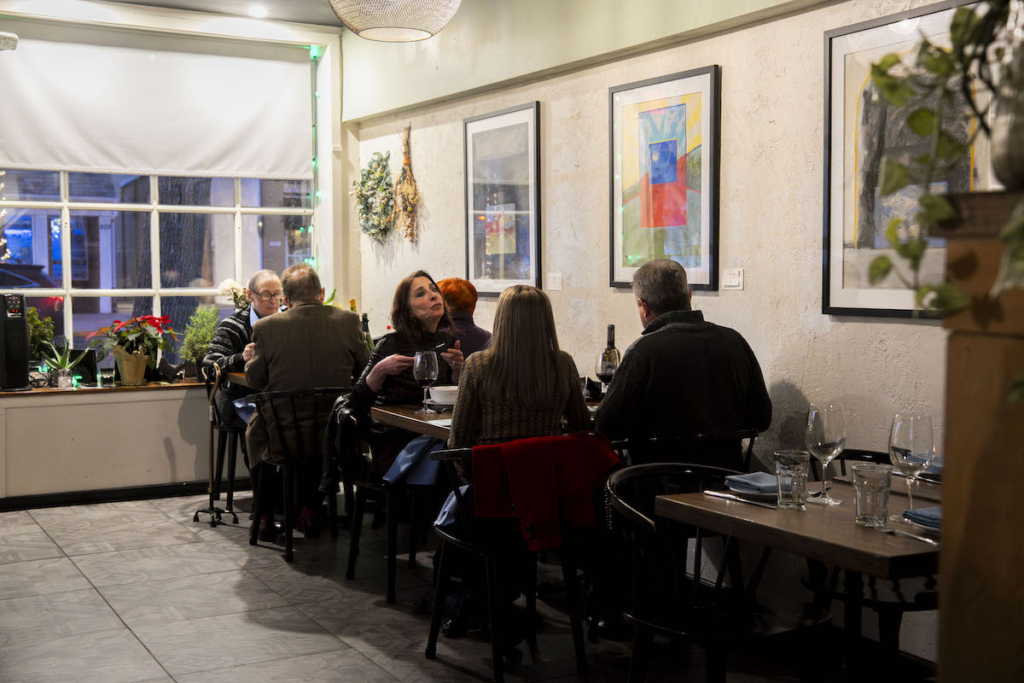
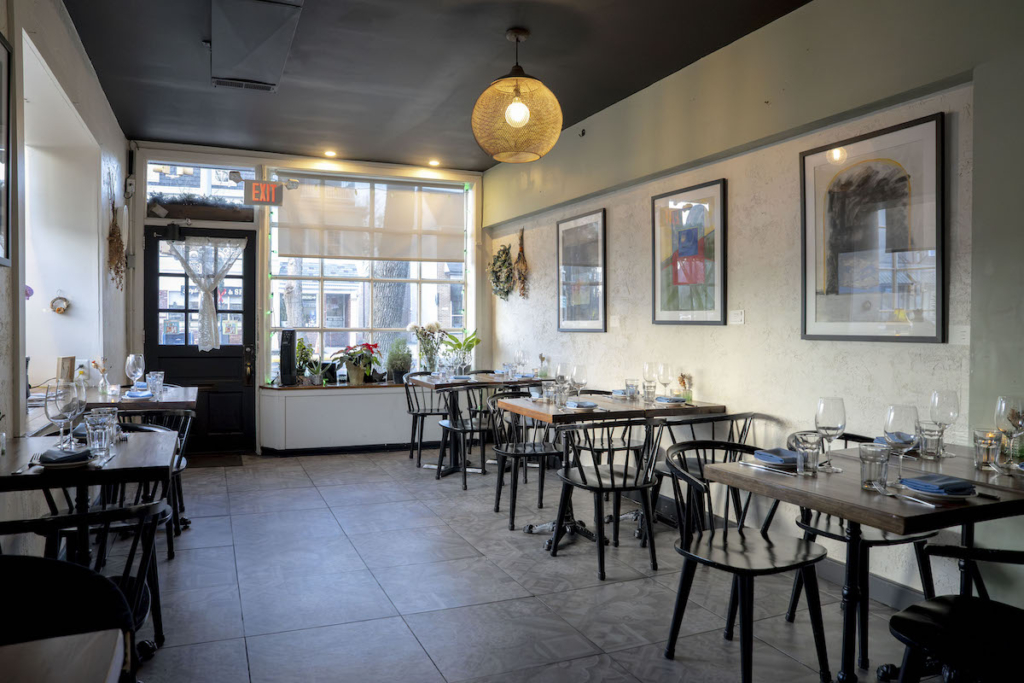
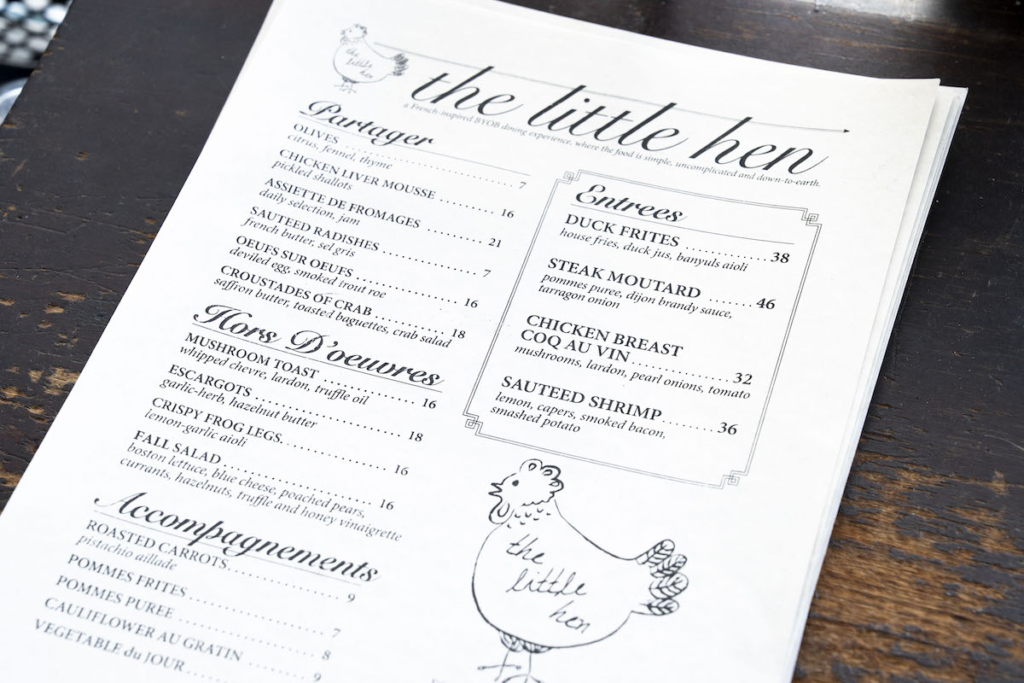
Lichtenstein wants his customers to feel at home and calls The Little Hen “a destination place with character.” He’s proud that a married couple who met on their first date there are returning soon for an anniversary party to “dance the night away.” Elaine Gill, a server at the restaurant and friend, said she loves his willingness to accommodate. “If people have allergies or a certain item they can’t eat, he always makes suggestions, always makes sure that the person can have that item and he will fix it however they need it fixed.”
Lichtenstein’s cooking obsession began at the age of 13 while working at his uncle’s restaurant on the Atlantic City boardwalk. After a short detour at college for a pharmacist’s degree he realized, “I’d rather cook.” He has worked all over the area, mainly as the chef de cuisine for 30 years at the Rose Tattoo Cafe in Philadelphia.
But owning a restaurant is different and The Little Hen has the patina that comes with age, blunders, and the turmoil of restless creativity. “I’m not the real shiny restaurant across the street that paints the walls all the time,” he says. “This restaurant is getting worn — in a good way. I mean, I have chips on the wall. I have, you know, chips on chairs.” His success, he says, is due to his perseverance and a pragmatic attitude. Gill called her friend an “un-cheffy chef. “He doesn’t go on these tantrums about what people are eating. He’s really good about wanting people to eat what they want to eat and just providing a good meal for people.”
For now, Lichtenstein is happy with exactly the way things are going. “If you would have asked me the same question 30 years ago, I would have said something different. I would’ve said, ‘Yeah, I want to be the best and I want to expand and I wanna move here and I want to do that.’ And I don’t want to do that anymore. I think I’ve pretty much found my niche. I’m doing what I love doing. I’m just trying to keep up with life right now.”