
Expertise. Tenacity. Candor. Michele Leahy draws on all three qualities to help families navigate the complexities of disability challenges.
A Fishtown native, Leahy is the founder and CEO of Leahy Life Plan, a disability life-planning company. For the past 15 years, she has helped parents, grandparents, and caregivers cut through the maze of government regulations, benefit denials, and red tape that often stands between families and the services they need.
Her company — 100% owned and operated by people with disabilities — focuses on long-term life planning for people with disabilities and their families. Her mission is simple: to improve the lives of children and adults with autism and other disabilities.
Few professionals offer the kind of hands-on guidance Leahy provides, and even fewer bring her depth of disability-rights experience. Known for her results-oriented approach, she is widely praised by clients for her professionalism, knowledge, and ability to stay ahead of changing laws and regulations.
“Obtaining state and federal benefits helps parents sleep better, but that is only the first step,” Leahy explained. “The real work is navigating Supplemental Security Income (SSI), Social Security Disability Insurance (SSDI), and state benefits over the lifetime of the person with a disability.”
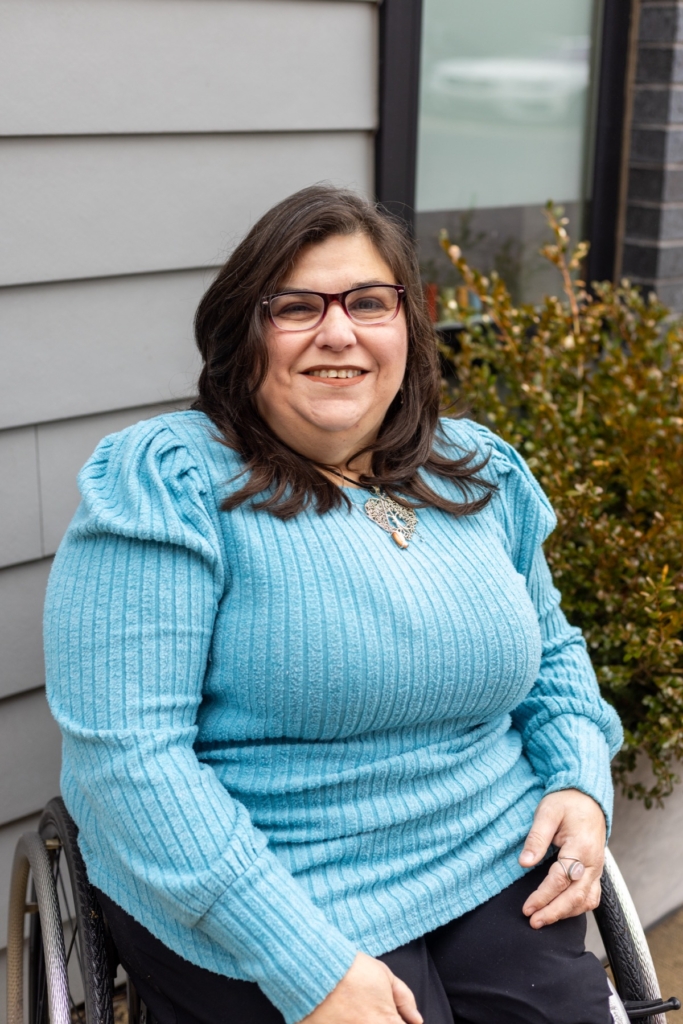
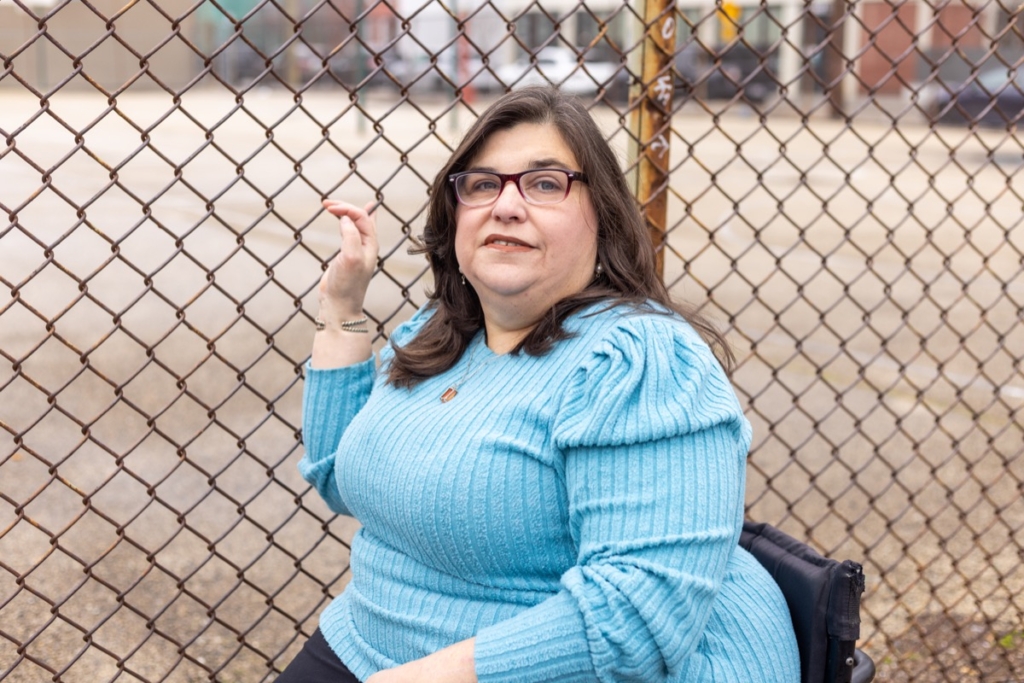
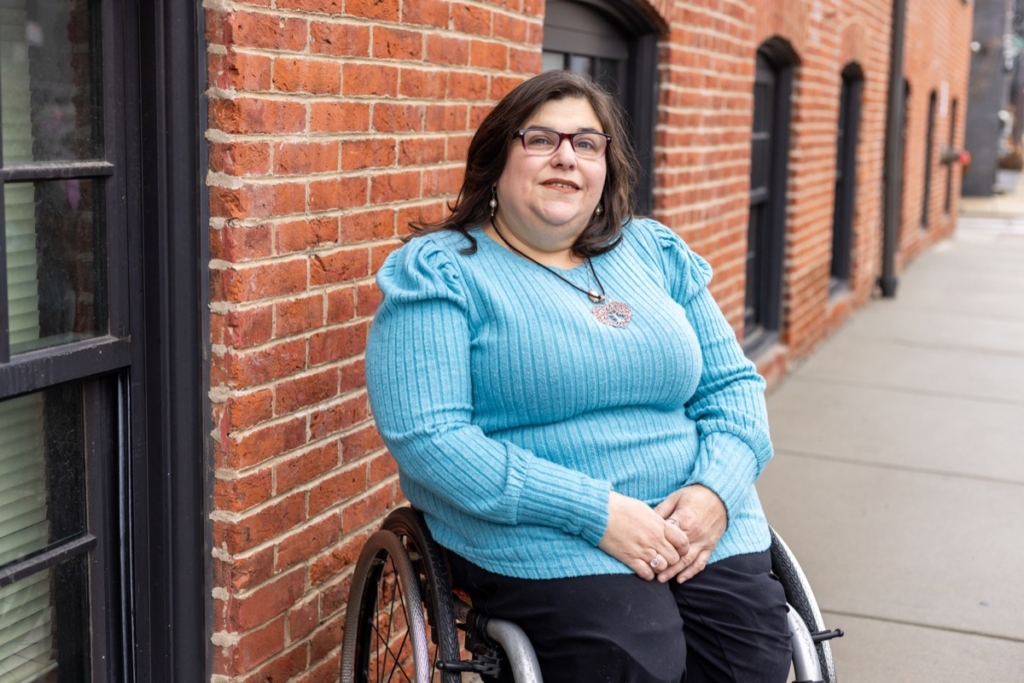
“It’s incredibly rewarding to see clients working, receiving benefits, and contributing to society,” said Michele Leahy, CEO of Leahy Life Plan. “The benefits are there to provide a hand up — not a handout.” Born with spina bifida and now a permanent wheelchair user, she has built a life defined by resilience and advocacy.
That work includes regularly revisiting documents such as Special Needs Trusts and financial plans, and having ongoing conversations with family members and caregivers, so everyone involved is ready to take the baton, if needed.
“I have clients with autism and intellectual disabilities who work, live in their own apartments, and have full social lives,” Leahy said. “Just like neurotypical adults, they may only talk to their parents a few times a week.”
Many of her referrals come through word of mouth, as well as from financial planners and attorneys who recognize the importance of disability-specific planning.
A Personal Mission
For Leahy, the work is personal. She always had issues walking. Born with spina bifida, she had surgery to correct her scoliosis when she was 12. At 11, she was also diagnosed with myasthenia gravis, a neuromuscular autoimmune disease.
At 23, she was in a devastating car accident with a tow truck that snapped the rods used to stabilize her spine. Later on, in her 30s, she underwent amputation of both legs, making her a permanent wheelchair user.
Despite these challenges, Leahy has built a life defined by resilience and advocacy.
“I went to a segregated school, and I truly understood what it’s like to be treated like a second-class citizen,” she said. “Even now, I am still striving for equal access.”
Leahy earned a bachelor’s degree in communications from Penn State and later obtained a master’s degree in nonprofit management from Eastern University. But when she graduated from college in 1995, finding employment was an uphill battle.
“The workforce was afraid to take a chance on me unless I worked inside the disability community,” she recalled, though she went on to work at HBO and Deutsche Bank. “I had to prove myself worthy by temping so employers could test my skills.”
Leahy did just that — and built a career grounded in advocacy and fairness.
“The rights I fight for are universal human rights,” she explained.
“Our needs are just as important and should be valued the same as everyone else,” she said.
In 2008, Leahy obtained her Certification in Work Incentive Planning through an approved Social Security Administration program established through the Ticket to Work initiative.
Using Her Voice
Leahy is also a public advocate. In 2018, she spoke on disability issues at the Philadelphia Women’s March on the steps of the Philadelphia Museum of Art.
In 2023, Governor Josh Shapiro selected Leahy for Pennsylvania’s Employment First Oversight Committee. She also made history as the first non-veteran executive board member of the United Spinal Association, a national disability rights organization.
She remains an active participant in an array of disability organizations, and she is a sought-after motivational speaker.
Guiding Families
Parents and caregivers consistently praise Leahy’s impact.
Amy Springer of North Wales first contacted Leahy Life Plan about seven years ago. She was seeking information on behalf of her teenage step-son Nicholas, who has special needs.
“My goal was to make sure that Nick was provided for, and able to achieve his goals and dreams, which include getting a job, living independently, and possibly getting married one day,” Springer explained.
Leahy helped demystify a complicated system.
According to Springer she made the processes comprehensible and manageable, “including applying for Social Security Disability benefits, waivers, evaluations, in-home and community care services, and looking into a job coach.”
At one point, Nicholas lost some of his waiver services, and she had to reapply to get him reinstated.
“It took what seemed like forever to get him approved and seconds to kick him off,” Springer said. “Michele connected us with the right county rep, and with her knowledge of how the system works, I no longer felt like I was alone on an island.”
Nicholas’s goal is to work with a job coach and live independently. While he’s not there yet, Michele is using her expertise to help him make strides.
Leahy is also known for her directness.
“Michele tells you exactly what is involved,” Springer said. “She’s a walking encyclopedia of information, and she cares, which is huge.”
Leahy said that many parents and caregivers focus on the strengths of their loved one with autism or special needs and don’t know how to discuss their daily struggles.
Some caregivers remove obstacles before their loved ones face them, which ironically makes their lives more difficult in the long term. When someone always intervenes in a person’s daily struggles, that “limits their independence and ability to problem solve,” Leahy said. which creates an unrealistic and inaccurate sense of their capabilities.
“With Nick, we clarified his diagnosis,” Leahy said, adding that his family overestimated his ability to understand his issues and to complete tasks. “Leahy Life Plan worked with his family to articulate his needs using real-time, real-life examples,” so that he could receive all the benefits to which he was entitled.
Why Fishtown?
Leahy grew up in Philadelphia’s Overbrook neighborhood and returned to the city from Manhattan after 9/11. In 2009, she chose to settle in Fishtown.
Her condo was still under construction when she purchased it, which gave her the opportunity to design it to be fully wheelchair accessible without sacrificing style. Features include a step-free entrance, parking directly outside her door, a movable cabinet to reach dishes, lower countertops, sliding pantry shelves, a tilted mirror, front-loading appliances, and an accessible closet.
She appreciates Fishtown because of the variety of interesting events and activities the area offers.
“I wanted to have a neighborhood vibe that would give me the ability to explore my surroundings,” she explained. “I can wheel myself to several different restaurants within about 15 minutes.”
Some of her favorite Fishtown spots are the Green Eggs Cafe, LMNO, and Wm. Mulherin’s Sons, and she adores Suraya. She attends shows at the Kimmel Center and concerts in the area, and she travels to New York City at least once a month.
She’s also built strong community ties, dining out with friends whenever she can.
“I’ve developed close friendships with several neighbors,” Leahy said, adding they’ll enjoy impromptu happy hours outside in the spring and summer. In the winter, Leahy’s neighbors go to her place for dinner.
Future-Focused Planning
The goal of Leahy Life Plan is to help children, teens, and adults with disabilities build independent and fulfilling lives, on an individual basis — especially after they age out of school programs and the school bus stops coming to their door.
Many students remain in school until age 21 or 22, when structured support systems are still in place. After that, options often narrow.
“This is about setting up our loved ones with disabilities for long-term future financial stability,” Leahy said.
Planning early is key, she explained, including taking advantage of services and preparing financially through tools such as Special Needs Trusts.
“The earlier you plan, the more you can create a separate financial ‘house’ for the adult with disabilities,” she said.
Ultimately, she explains that the goal is autonomy — allowing individuals to make meaningful choices about where and how they live, without defaulting to limited options or relying solely on family – specifically, siblings – as future caregivers.
“It’s about giving these adults choices,” Leahy said. “That brings peace of mind and a better quality of life for everyone involved.”
Rewarding Work
For Leahy, the most meaningful moments come when caregivers finally see the system work in their favor.
“I love seeing the relief on their faces when they’re approved for services,” she said.
Her business also helps families better understand their loved ones during evaluations and applications.
“It’s incredibly rewarding to see clients working, receiving benefits, and contributing to society,” she said. “The benefits are there to provide a hand up — not a handout.”

