
The sound of many languages that fill the halls is a living reflection of a district that celebrates diversity not as a challenge, but as a strength.
The Hammonton Public School District’s Bilingual and English as a Second Language (ESL) Program has become a cornerstone of inclusion and community building, serving more than 350 multilingual learners (MLs) from Pre-K through 12th grade. These students come from families who speak a myriad of languages – Spanish, Italian, Arabic, Gujarati, Haitian Creole, French, Russian, and Ukrainian – each bringing unique cultural perspectives that enrich the classroom experience.
At its heart, the program focuses on developing students’ English proficiency while honoring their native languages and identities.
“We celebrate linguistic and cultural diversity through a variety of Bilingual Program and ESL events that highlight our students’ academic growth, language development, and individual talents,” explains Amy Clauhs, the district’s Supervisor of Multilingual Learners. She has spent over 27-plus years in education.
Language Instruction Educational Programs (LIEPs) at Hammonton are designed to meet students where they are. Services begin in Kindergarten and continue through graduation, guided by systematic assessments using WIDA screening tools and yearly ACCESS testing. Depending on proficiency levels, students receive support through Pre-K identification programs, high-intensity ESL instruction, sheltered English models, or bilingual instruction in push-in, pull-out, or self-contained classrooms. Each program is led by certified ESL and bilingual educators, supported by bilingual instructional assistants in every school.
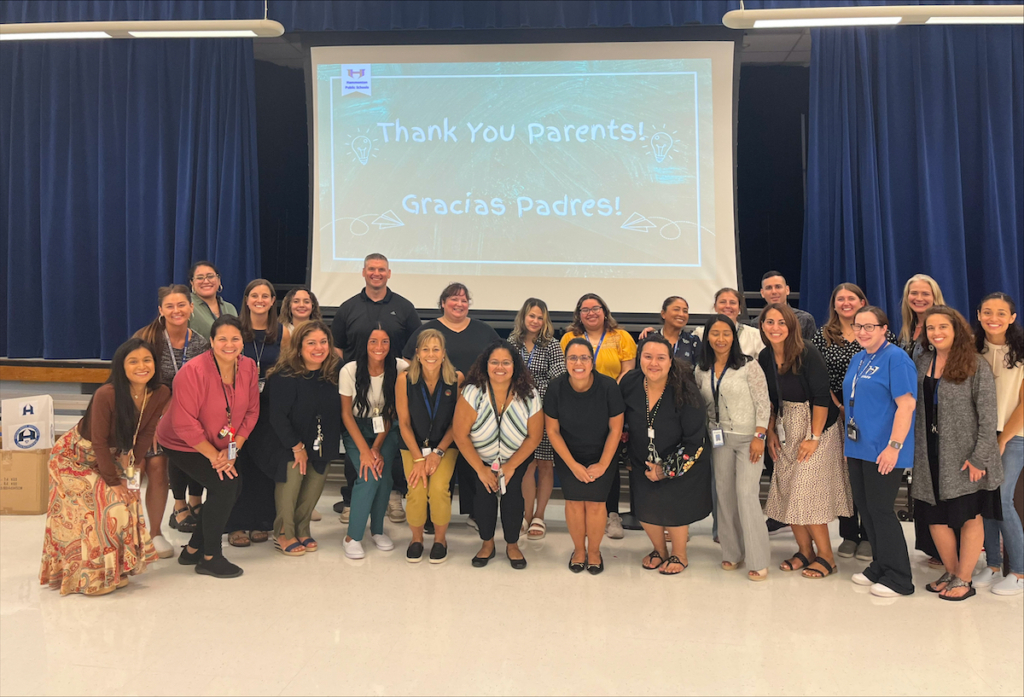
As Hammonton’s multilingual population has grown, so too has the district’s investment in its success. Expanded translation services ensure families can fully engage in their children’s education, while professional development for staff keeps instruction responsive to evolving student needs. Community partnerships—with organizations such as the Hispanic Women’s Resource Center, Allies in Caring, and the Office of New Americans—extend this support beyond the classroom.
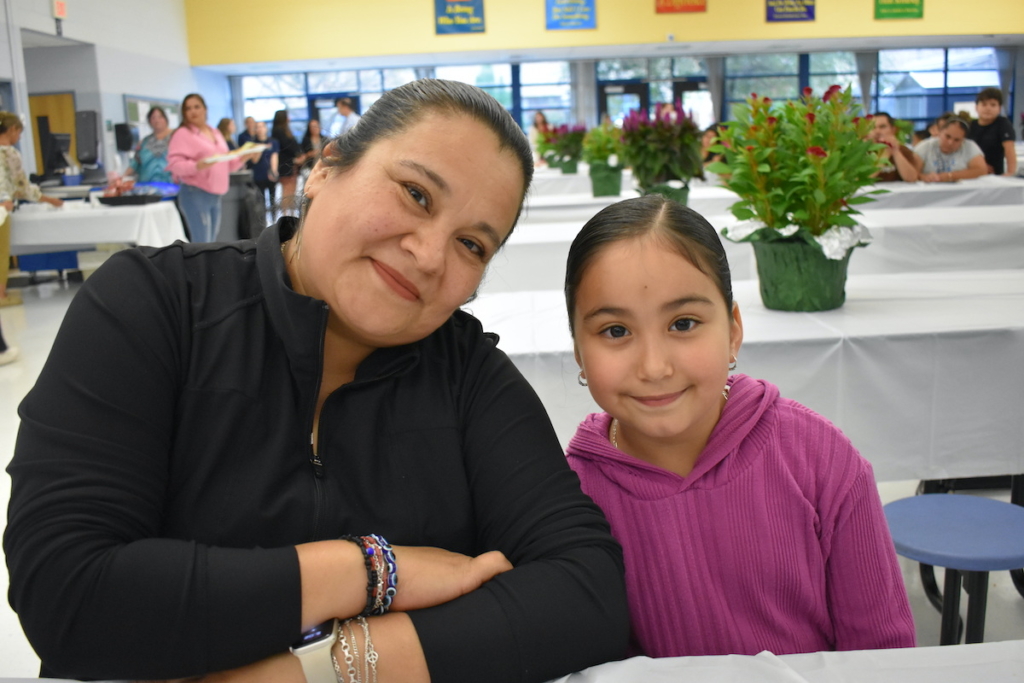
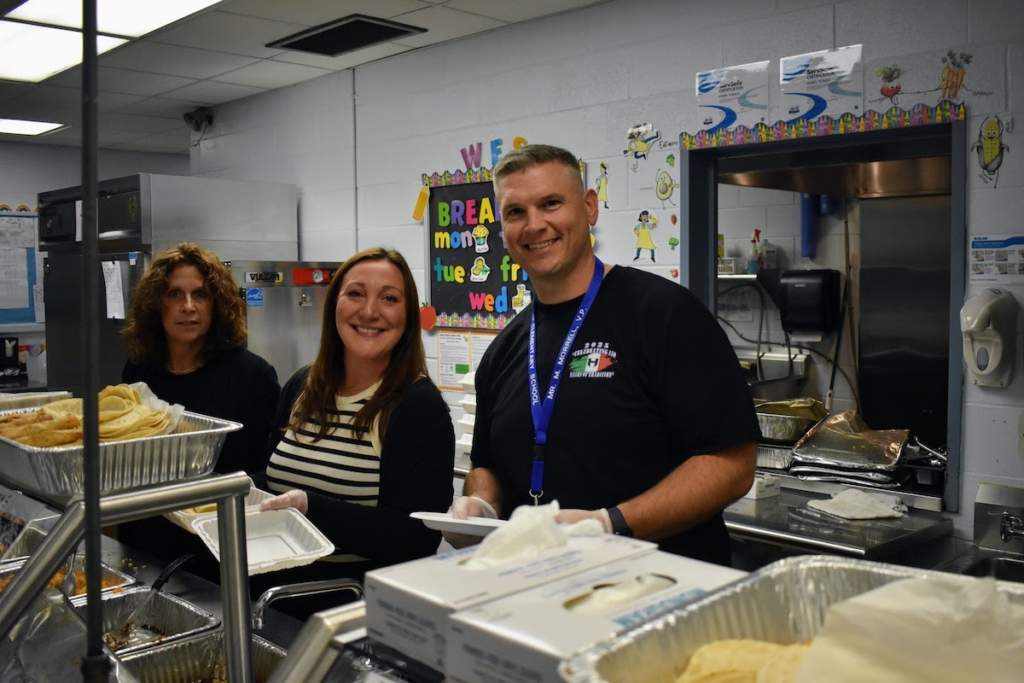
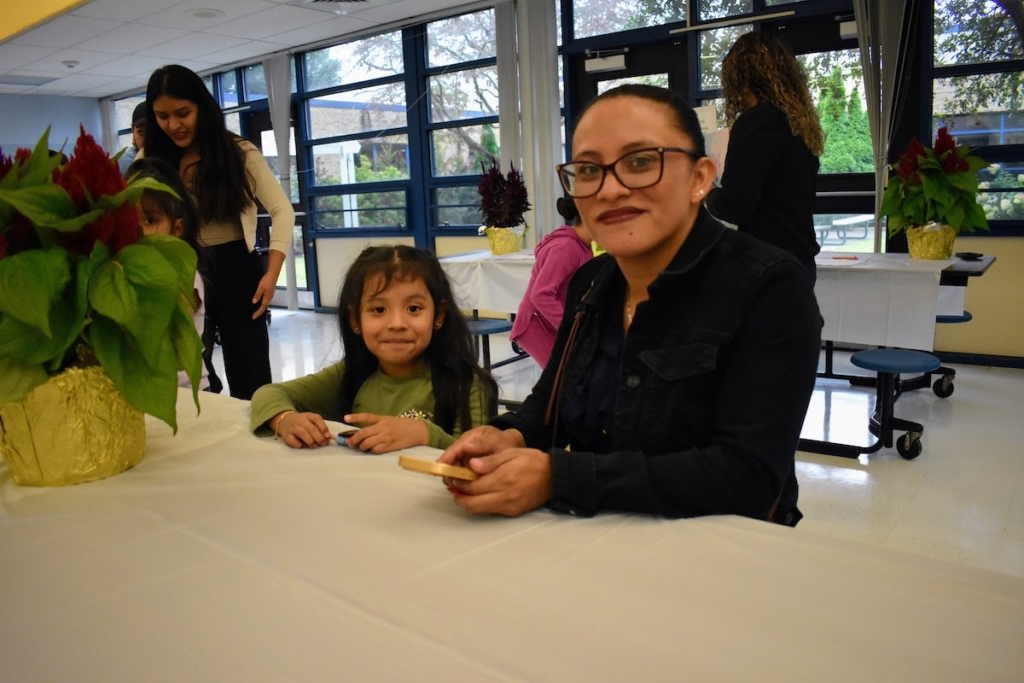
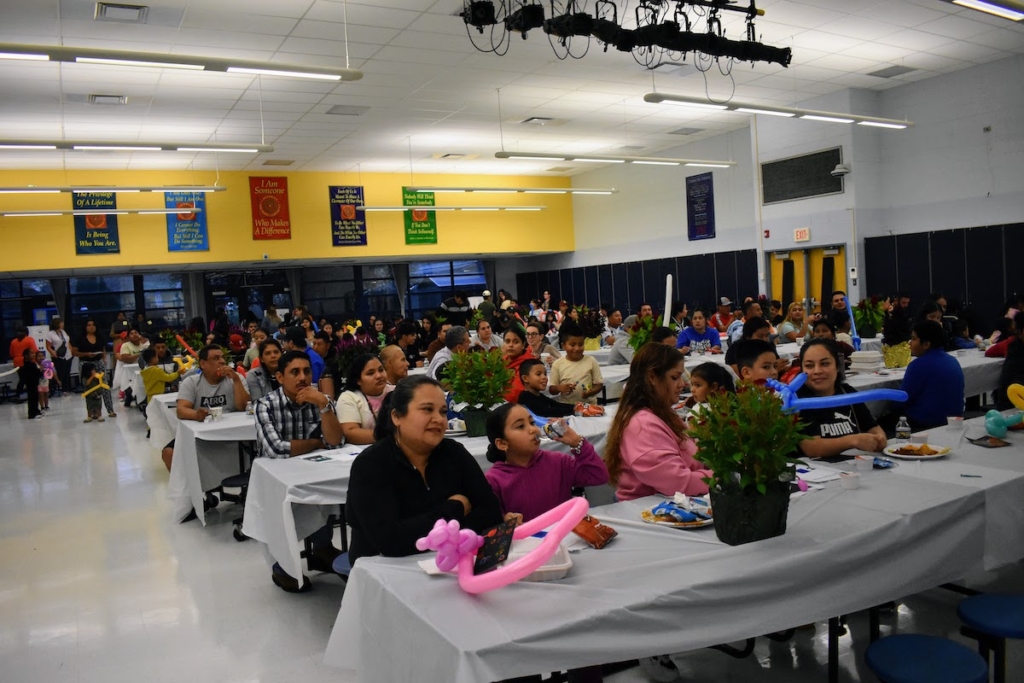
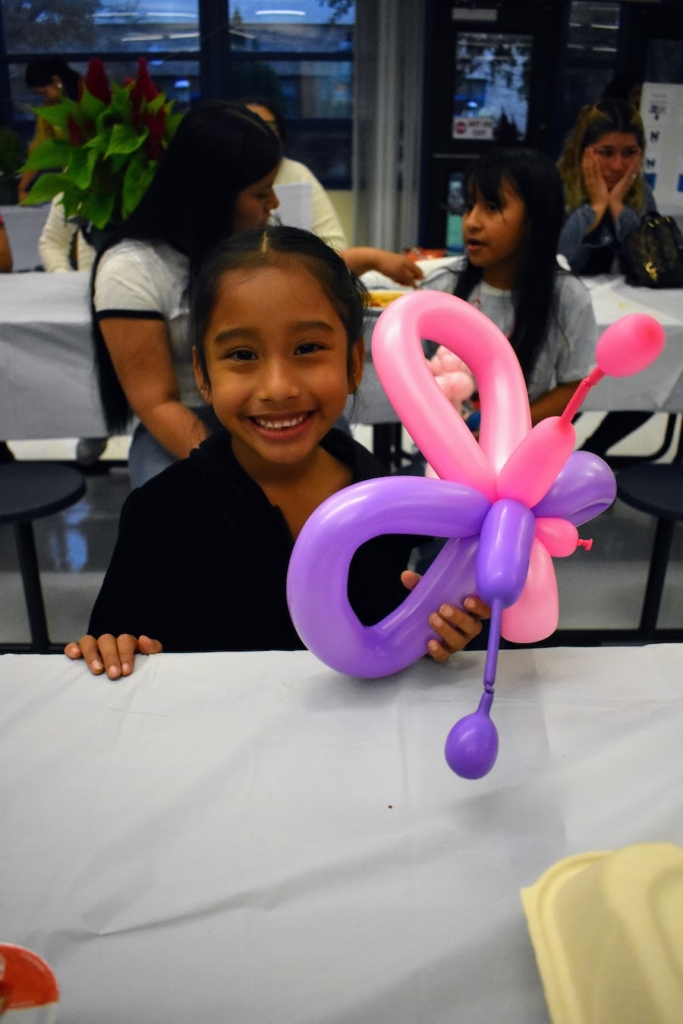
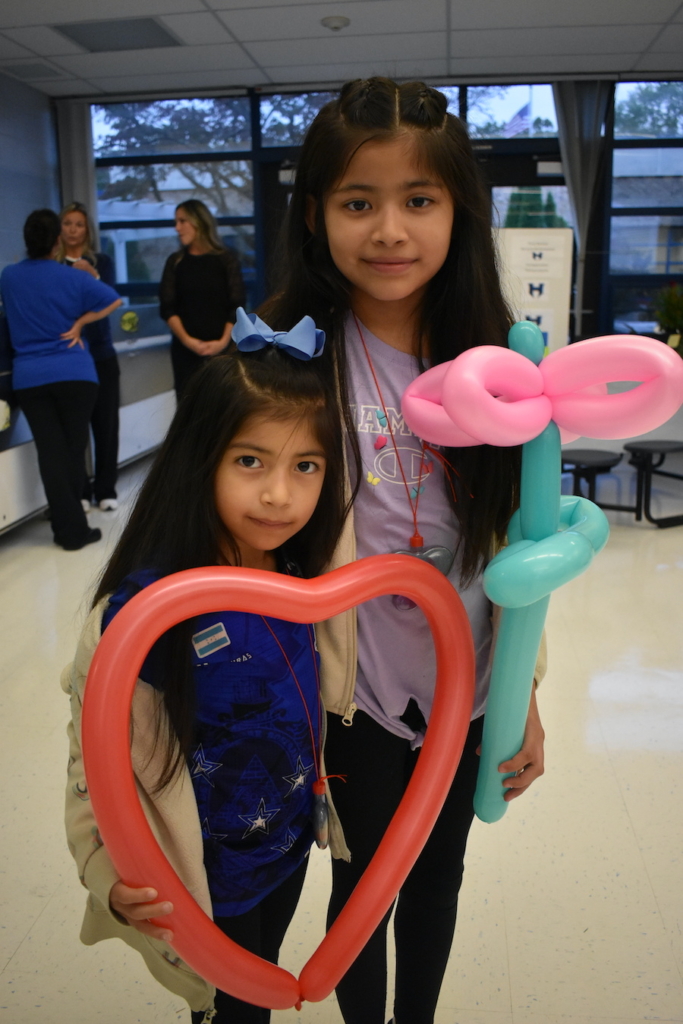
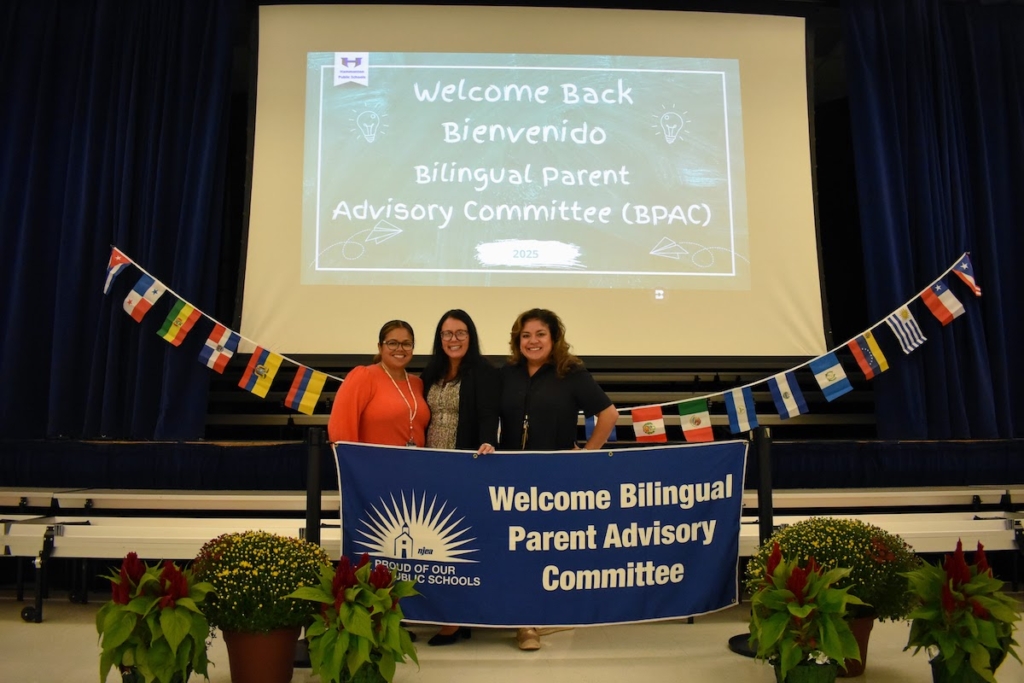
Perhaps the most inspiring aspect of the program’s growth is how it has nurtured intergenerational and intercultural bonds. The district’s Bilingual Parent Advisory Committee (BPAC) has evolved from modest beginnings into a thriving hub of family engagement. What began as a small group of parents meeting to learn about bilingual education has blossomed into four annual gatherings filled with conversation, cultural food, music, and shared learning. Supported by the Hammonton Education Association, these events include childcare, giveaways, and even fresh floral decorations from Ron’s Garden Flower Market—details that make families feel genuinely welcomed and celebrated.
Parent voices play a central role in shaping the program. Through surveys, feedback forms, and open forums, families help select topics and guest speakers for BPAC events, ensuring discussions reflect real needs—from navigating the Parent Portal to preparing for college applications.
Celebration is woven into every part of Hammonton’s approach. Student showcases highlight those who have exited the ESL program, recipients of the Seal of Biliteracy and Global Seal of Biliteracy, and seniors who are entering college, trade programs, or the workforce. Cultural events—like the Hispanic Heritage Celebration and the Early Childhood Education Center’s Spanish, Italian, and German Walks—invite students across grade levels to share dances, songs, artwork, and stories from their cultures. The result is an atmosphere of pride and belonging that transcends language barriers.
At Hammonton, success is measured in more than test scores or attendance. It’s seen in the confidence of a first-grader reading aloud in English for the first time; in the pride of a bilingual student translating for a family member; and in the unity of a community that learns together across generations.
“The success of the ESL/Bilingual Program is reflected in the growth, confidence, and perseverance of our students’ native language while growing their English competency,” Clauhs said. “Students have the opportunity to become bilingual in a global economy, which allows them to take on challenges beyond the classroom and become proud, productive Hammontians serving their community and beyond.”
Being bilingual, the district emphasizes, opens doors—academically, professionally, and personally. It strengthens memory and problem-solving skills, boosts self-esteem, and prepares students for a global economy that values multilingual communication. More importantly, it affirms that every language carries stories worth hearing.
In Hammonton, those stories are celebrated daily—in classrooms, in cafeterias, and in community gatherings that remind everyone that learning a language is not just about grammar or vocabulary.
It’s about building bridges—between cultures, between families, and between generations—one word, one meal, and one shared moment at a time.


