
There are 19 “witnesses” to the Revolutionary War in Moorestown – houses that speak volumes about the era.
“Witness houses” stood during the war and still do, evoking the history of a young America’s fight for independence, according to Julie Maravich, founder and president of Saving Historic Moorestown.
A tour of the structures will take place on Saturday, Sept. 27, as 2025 marks the 250th anniversary of the war’s start in 1775 at the Battles of Lexington and Concord, a conflict that ended in 1783.
The war and its “witnesses” are critical to the long history of what became the United States.
“The Witness House Tour is important to Moorestown and the local community,” said Maravich, whose group is co-sponsoring the event with the Historical Society of Moorestown, “because it immerses us in the past for one day. But hopefully, thoughts and feelings experienced will become part of a collective consciousness and wonder about the earliest settlers of this region.
“My hope is that tour-goers will fall in love with our local history and the historical landmark homes and be inspired to save them for future generations.”
The “witness houses” on the tour are among some of Moorestown’s oldest, according to Moorestown250, whose mission is to educate the public about the Revolutionary War.
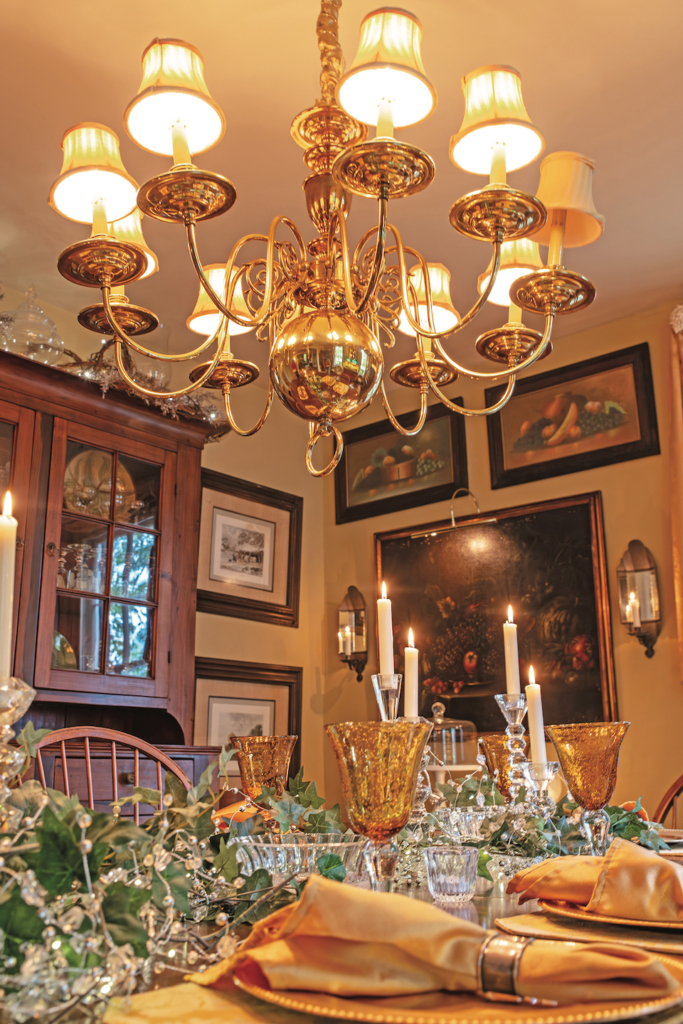
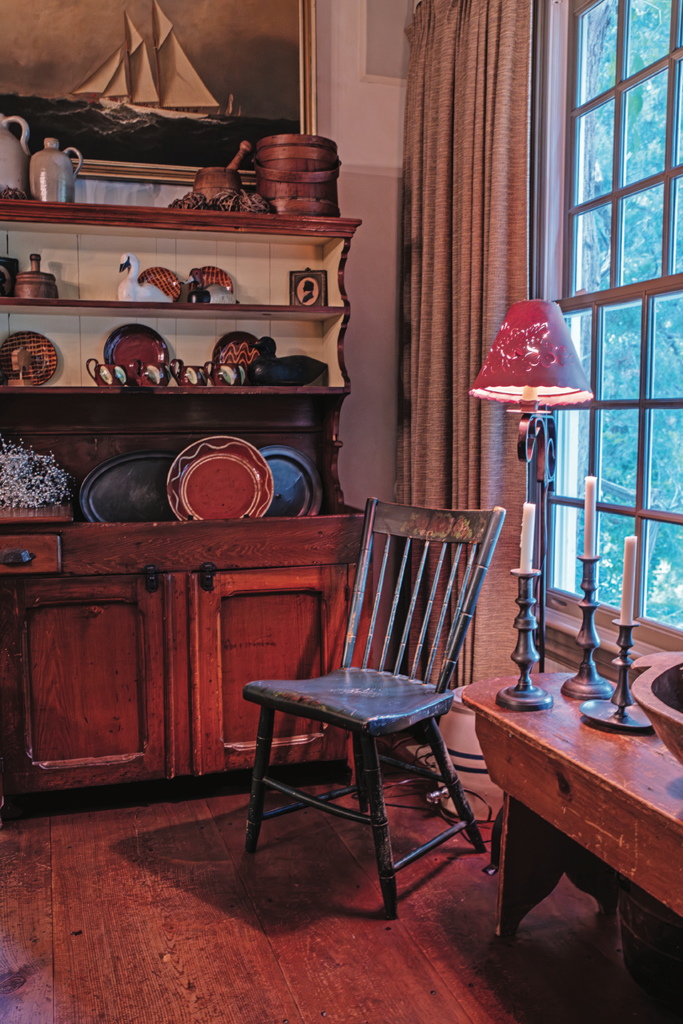
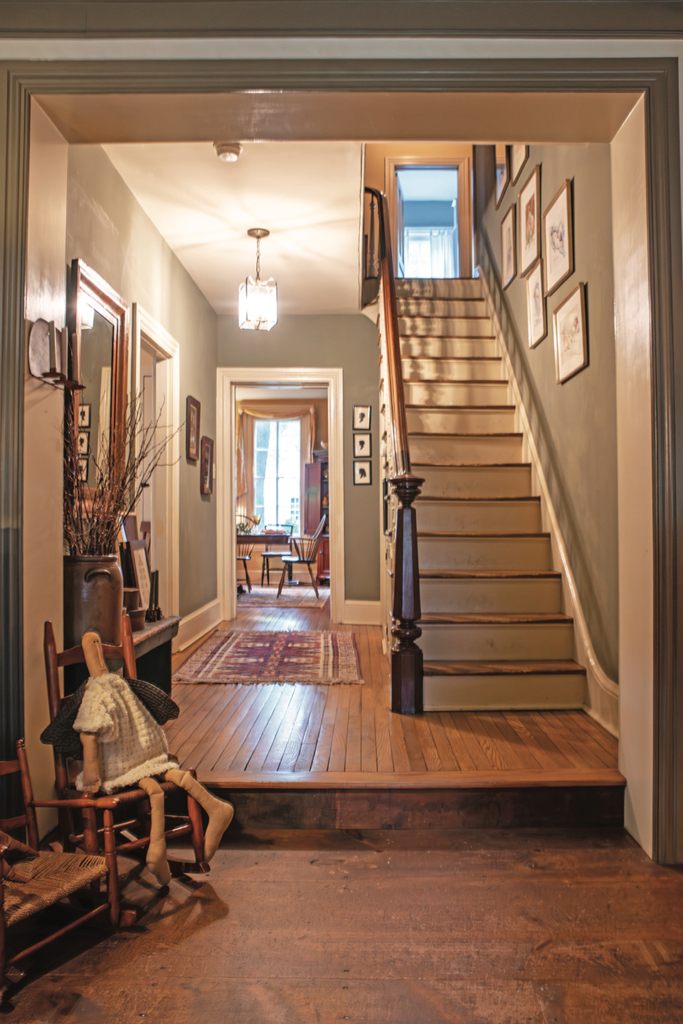
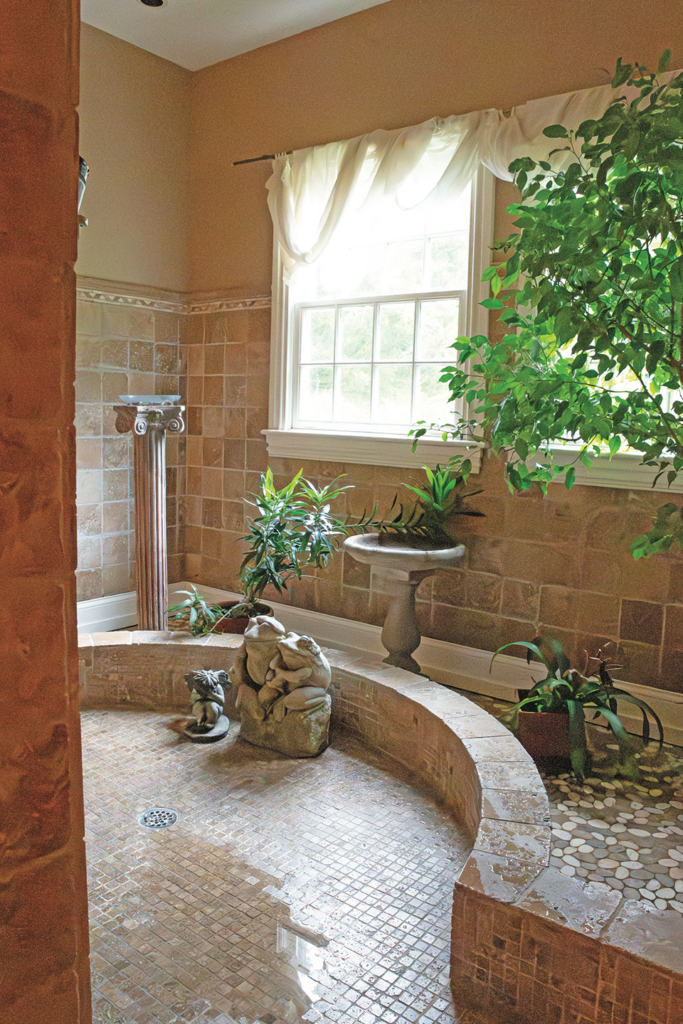
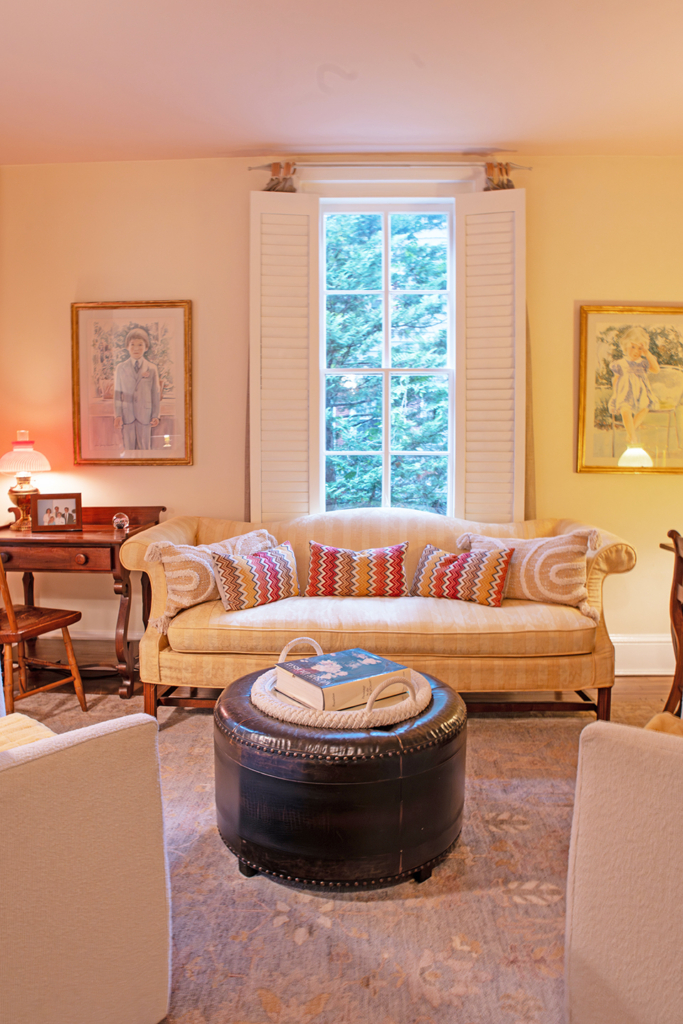
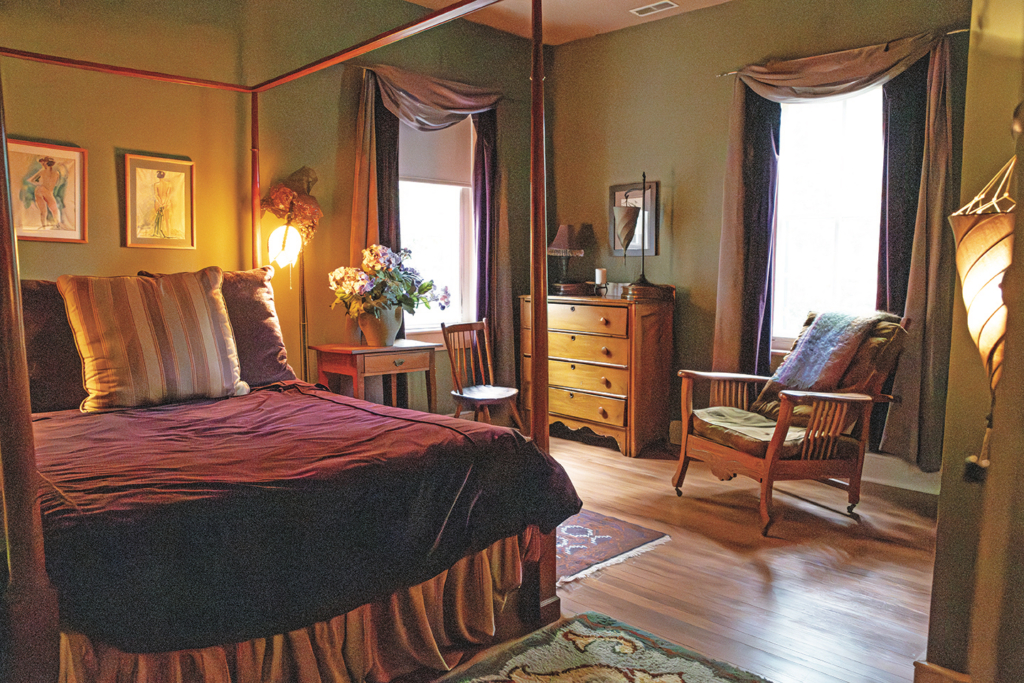
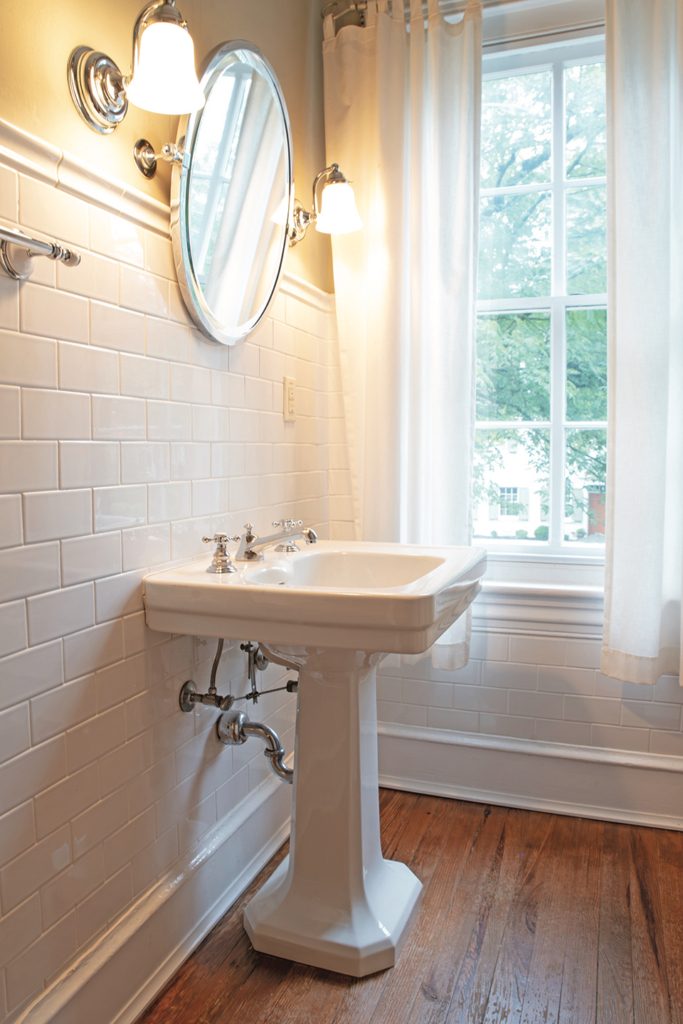
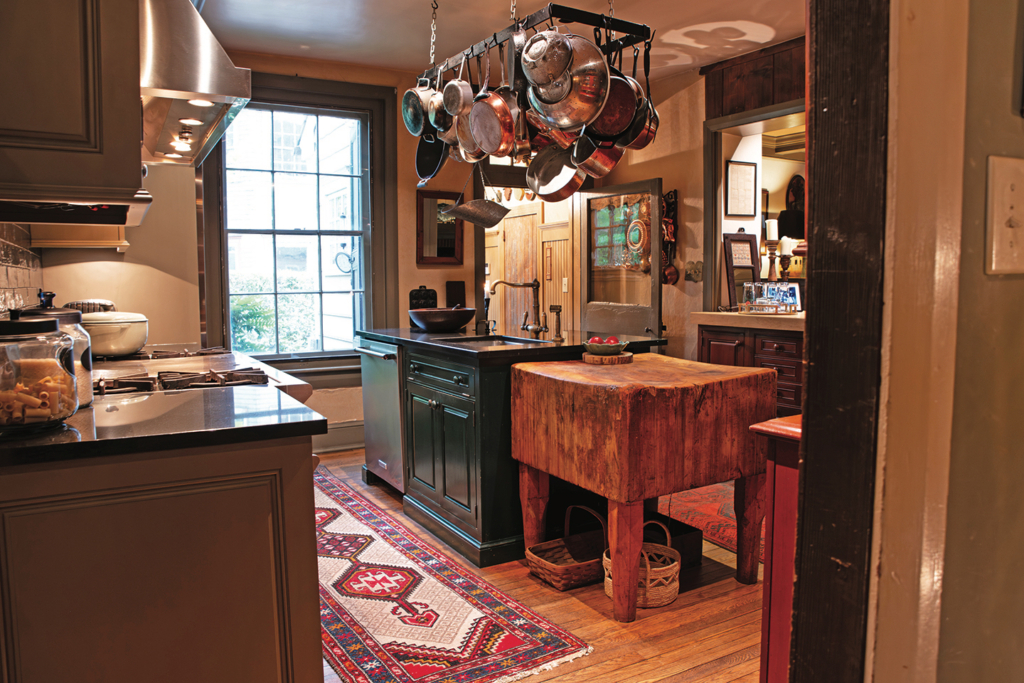
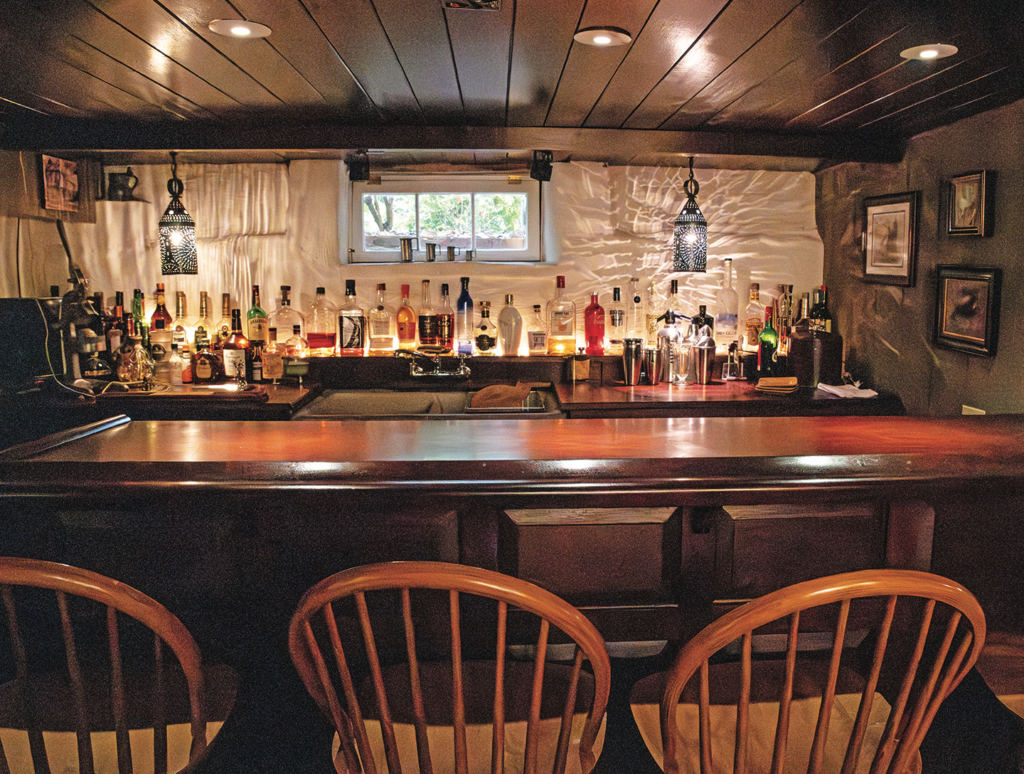
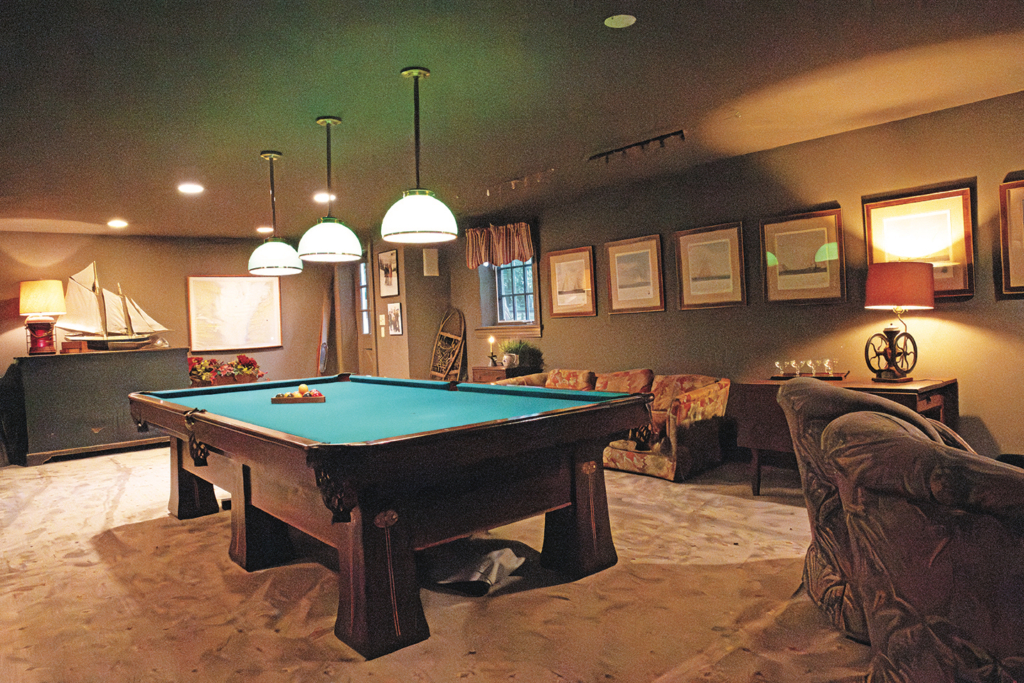
“There will be six houses that folks can go inside, another eight that folks can walk around the grounds,” Maravich noted. “We also have one location that has a five-story barn.” “Our mission is to preserve the history of this vibrant and fascinating town,” explained historical society president Linda Vizi. “I see us as the ‘keeper of the stories that built this town.’ The stories can be told in many ways, whether it is through a photograph, a journal, textiles, an oral history or even a house – each object tells a chapter in Moorestown history. “Houses that still stand today tell so many stories,” she added. “Of course, there is the architectural style that stands before you, there are the accounts of the people who lived there, and (they) may have been witnesses to a significant historical event. Having these homes helps to tell our story and in some way, America’s story.
“History is so much more interesting when you leap out of a textbook and take part in it yourself.”
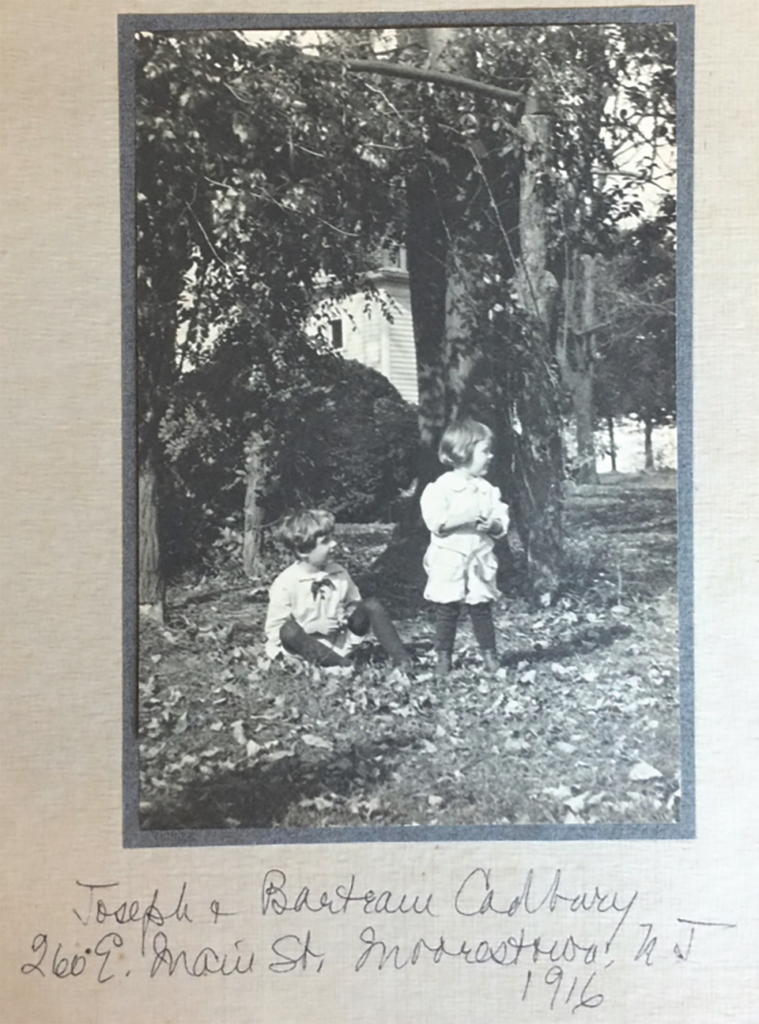
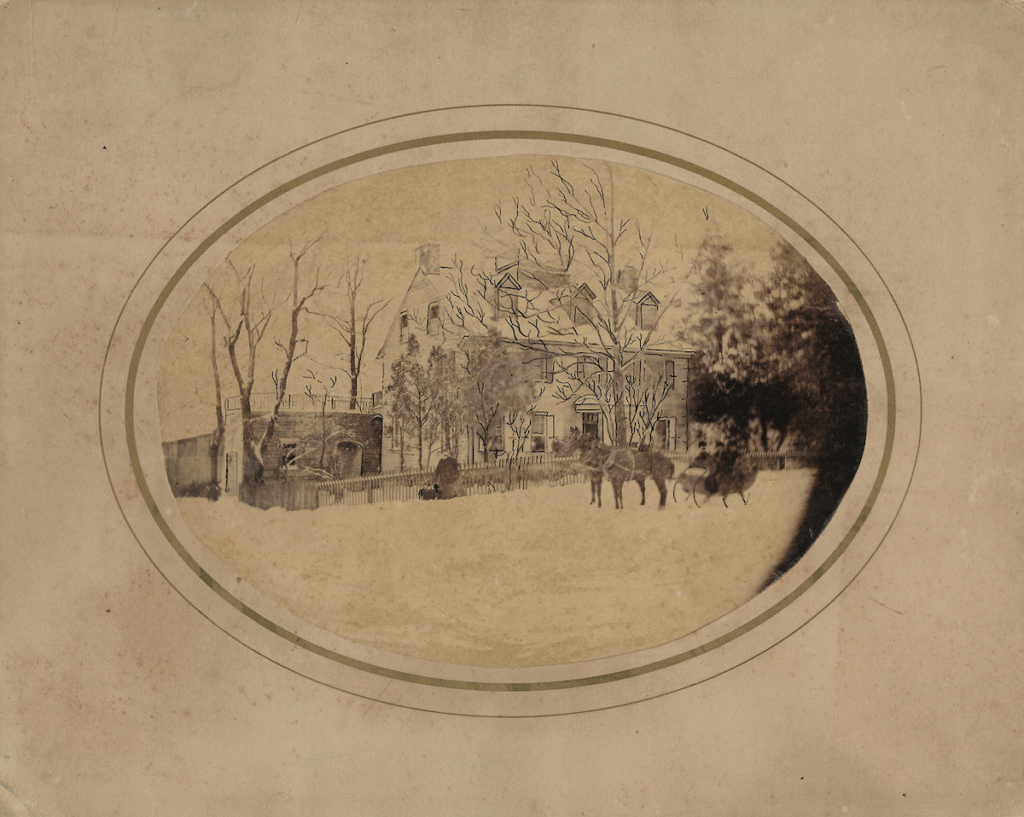
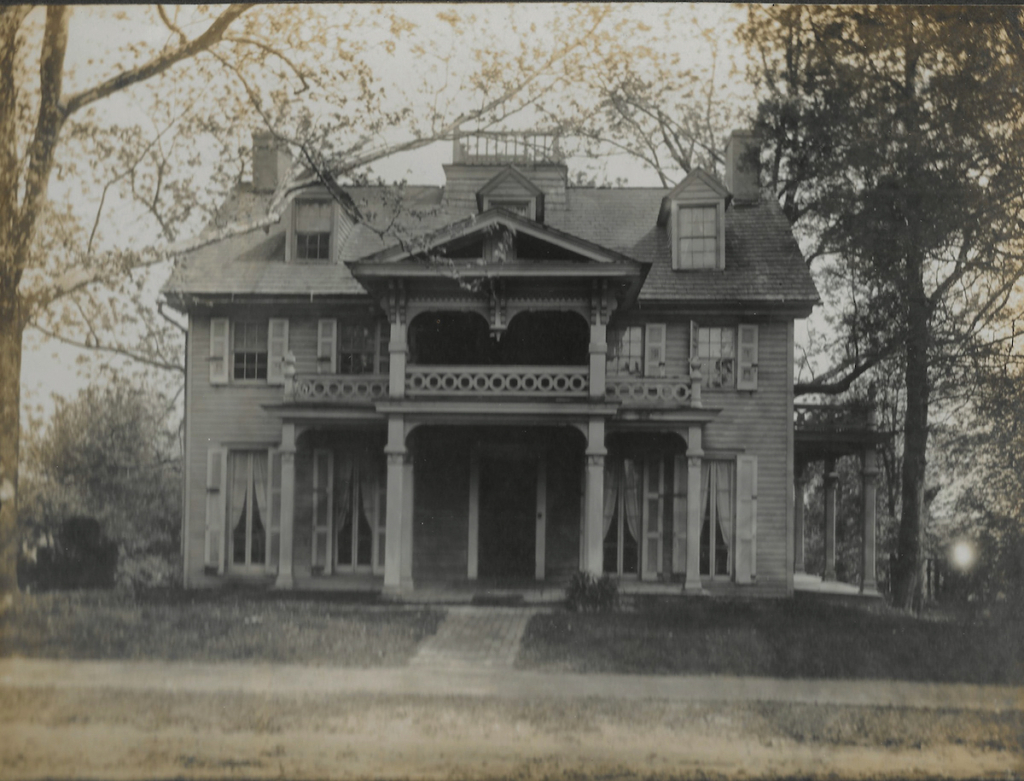
The tour’s homes include 260 East Main St., known as the Hugh Hollinshead House, a two-and-a-half story, five-register Georgian home built in 1770. Major features include a front
portico enclosure; porches on the right side and rear; and floor-to-ceiling French doors on the front, side and rear, according to its owner, who asked to remain anonymous. Built in 1770, the home’s original layout encompassed 1,500 square feet, but from the early to mid-1800s through the early 1900s, the Hollinshead House expanded with the addition of the left side and back, a carriage house and right and back porches.
The home was owned by descendants of a single family for at least 168 years – up until 1908, the homeowner indicated. Some of the homeowners are buried 25 feet away from each other in the yard at nearby Trinity Episcopal Church.
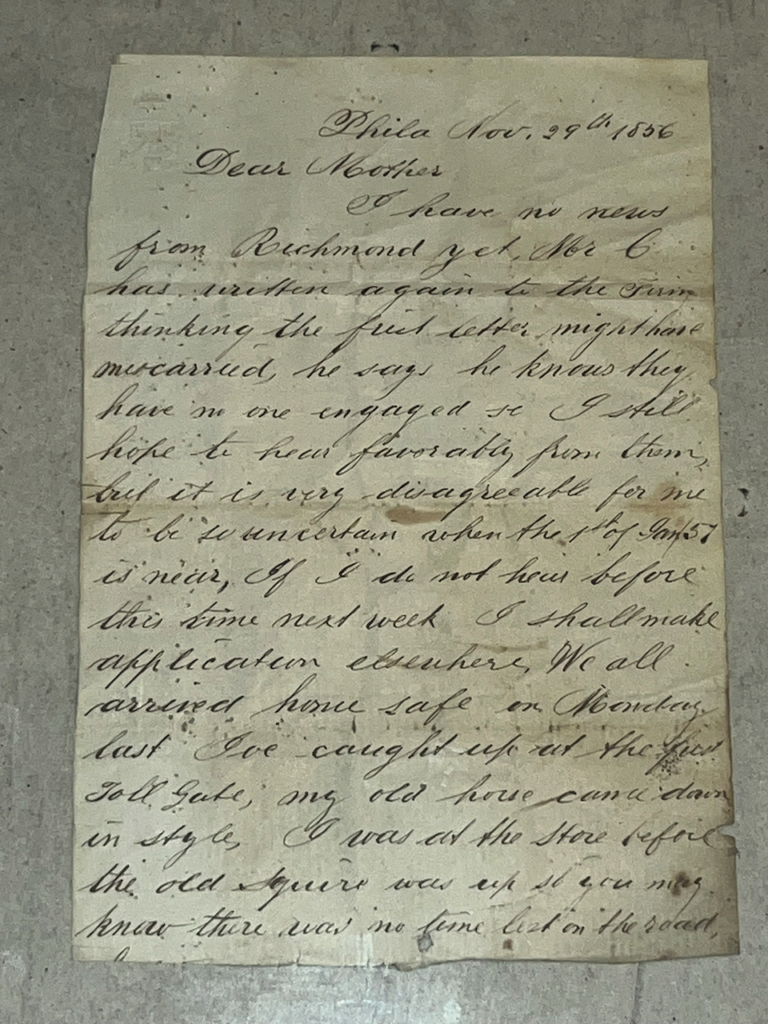
Another home on the tour is the Richard Edwards House at 140 East Main St. Built in 1783, its current owners, Paul and Patricia Canton, described some of the changes made through the years.
“There would have been multiple fireplaces,” Patricia explained. “We have reinstituted two fireplaces. When we moved in, the interior chimney chases had plugged-up round holes for stove-pipe venting. There was a deep brick-lined well in the basement.
“The four-light, double-hung windows would have replaced the originals during a renovation in the late 1800s,” she added. “They have the wavy glass. Some of our windows are new in our addition that we added in 2001 (and) 2002.”
The basement’s older parts are fieldstone, and Patricia went on to describe changes in some walls.
“The exterior walls of the older parts of our home are two widths of solid brick,” she said, “with stucco applied on the exterior and plaster on the interior.”
The Cantons also own another home that will be highlighted on the tour, the Richard Fleming House at 243 West Main St. Built in 1775, it was restored about a decade ago, but its wooden surfaces on the main floor are original pumpkin pine, according to Patricia.
“The entire exterior of the oldest portion is stone covered in stucco, which was scored to look like more expensive stone,” she pointed out. “All original fireplaces had been removed. We updated the HVAC (heating, ventilation and air conditioning) systems. The original windows were most likely replaced in the late 1880s, with four-light, double-hung sash.
“We preserved the plaster walls and baseboard and window trim. We restored the exterior wooden shutters.”
The Witness House tour is a rain-or-shine event that will take place between 11 a.m. and 5 p.m., starting on Main Street. For more information, including tickets, visit https://moorestown250.com.

