
Kirby’s Mill is one of the oldest surviving mill complexes and was the last operating commercial mill in New Jersey when the Medford Historical Society purchased it in 1969. In 1773, Isaac Haines and others petitioned building a dam for a gristmill and sawmill, and, by the spring of 1778, the mill was in operation.
On May 3, the site, now a museum at 275 Church Road, was a fitting backdrop for the historical society’s annual Country Day — an educational afternoon filled with family fun.
“The mill first began grinding corn and other grains,” explained Mike Gallagher, vice president of the Medford Historical Society, of one of the oldest operational gristmills in southern New Jersey. (Gristmills grind cereal grains into flour and millfeed.) “It is a water-powered mill and the mill’s stones are original stones from France.”
According to the New Jersey Historic Trust, grain at the mill was processed for the Continental Army. The mill became a center of commerce and information in the surrounding communities from the 18th through early 20th centuries.
“The stones grind local corn [into a] cornmeal [a coarse flour]-type texture,” Gallagher said. “We can adjust the wheels for polenta or flour [-type texture], but right now since we’re not inspected for food grade, we’re just grinding something for the birds.”
The annual Country Day celebrates the history of Kirby’s Mill.
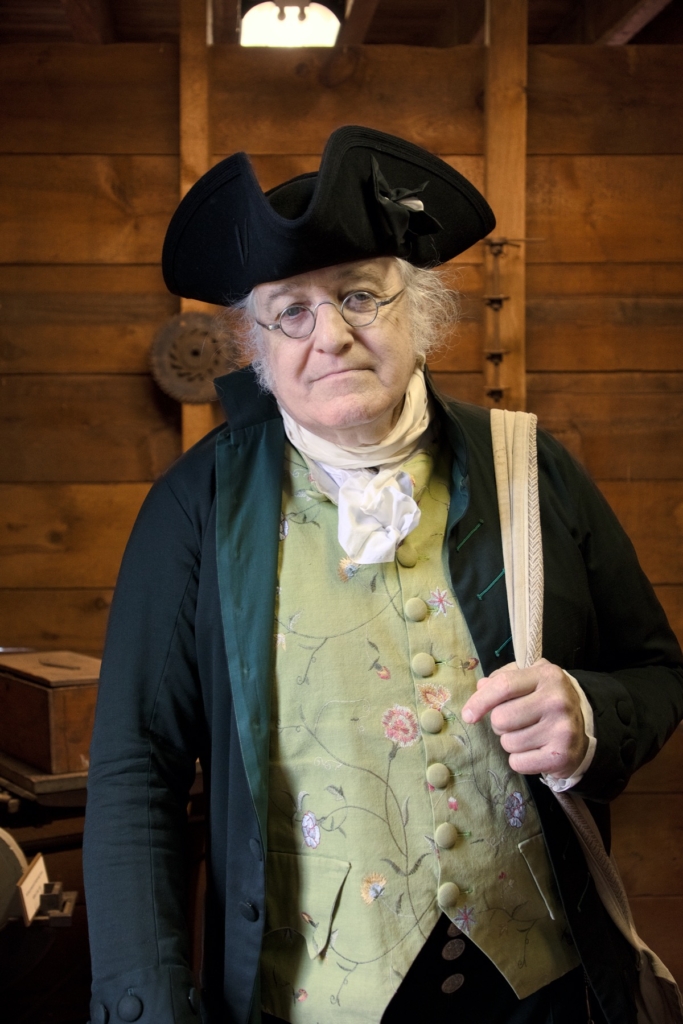
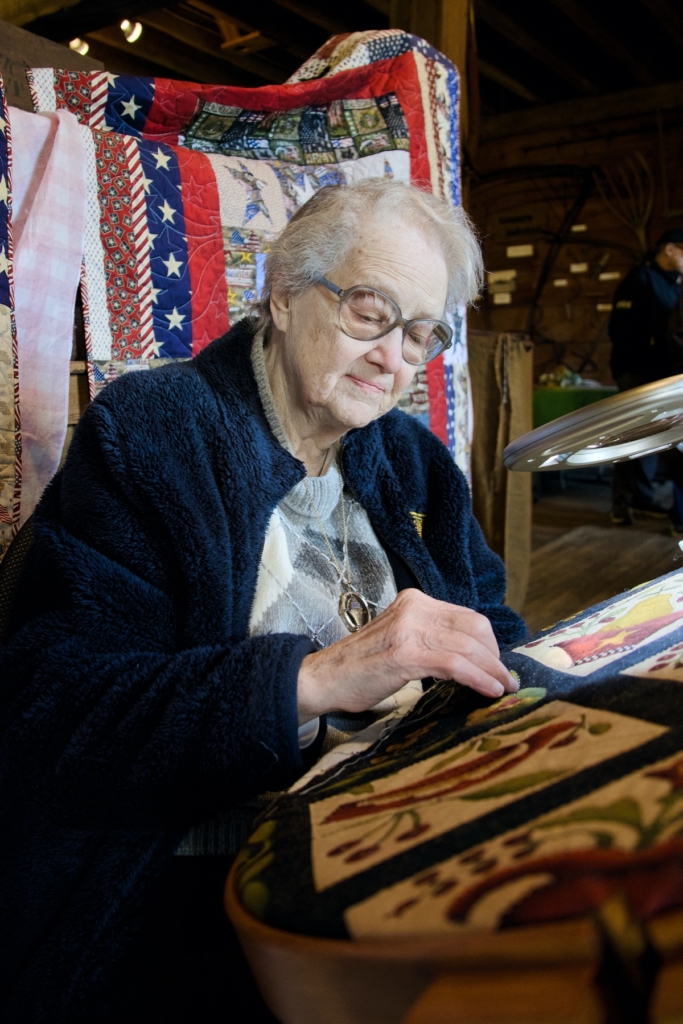
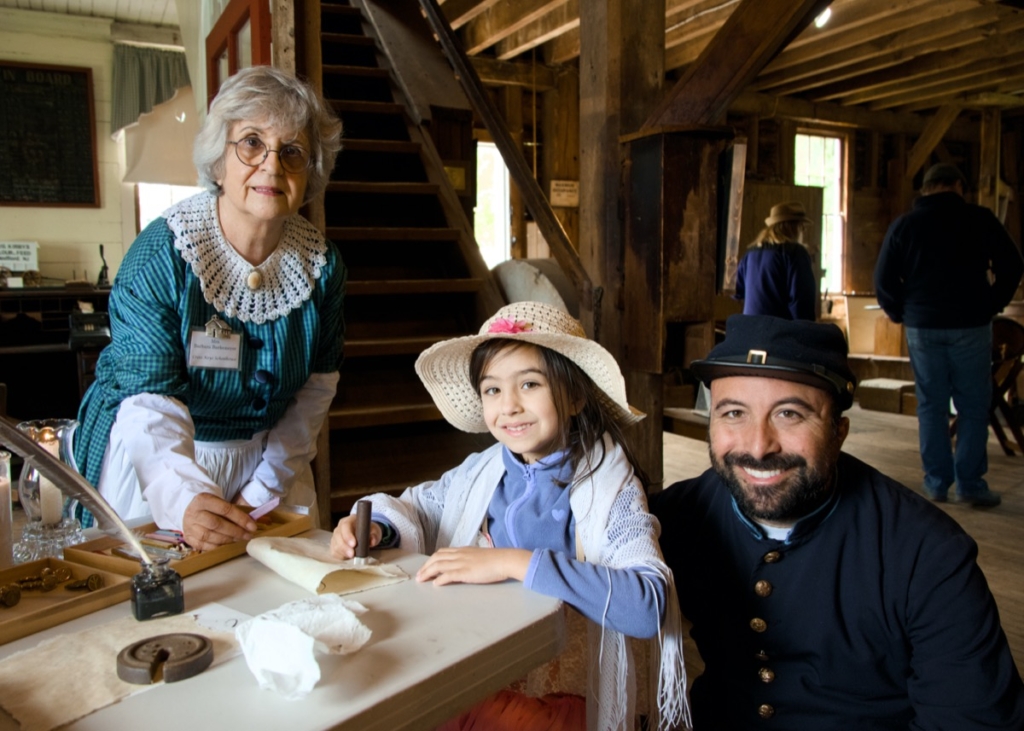
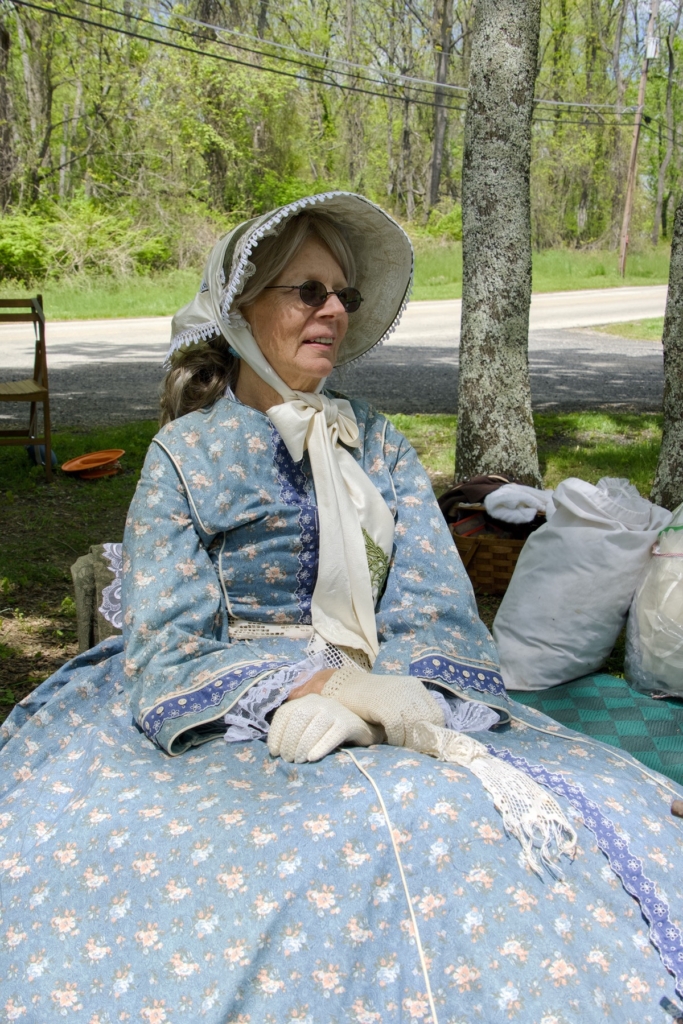
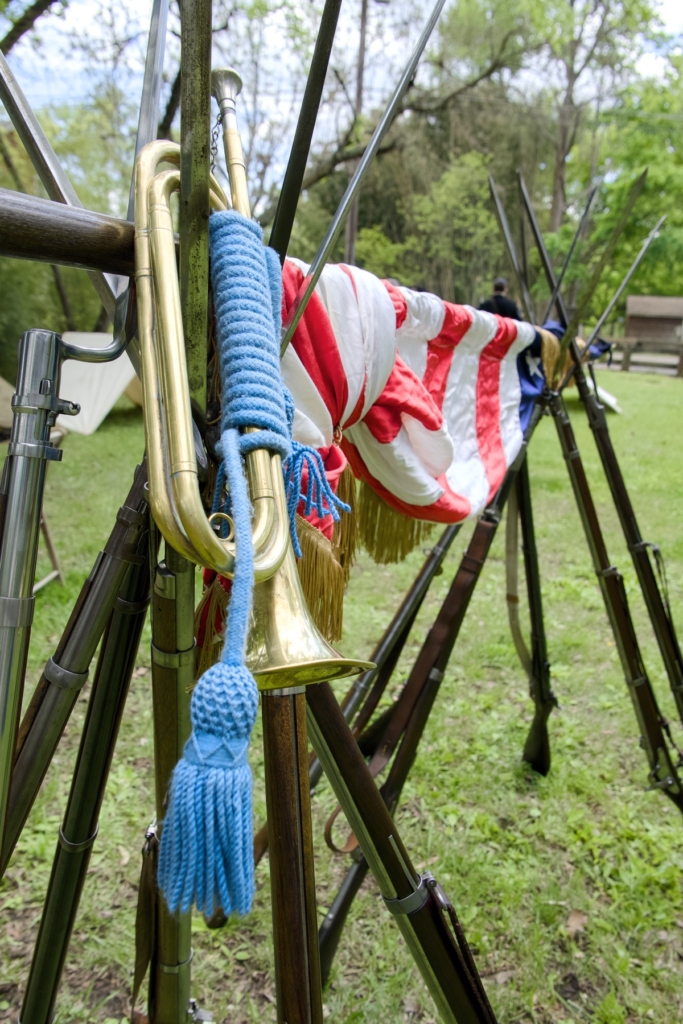
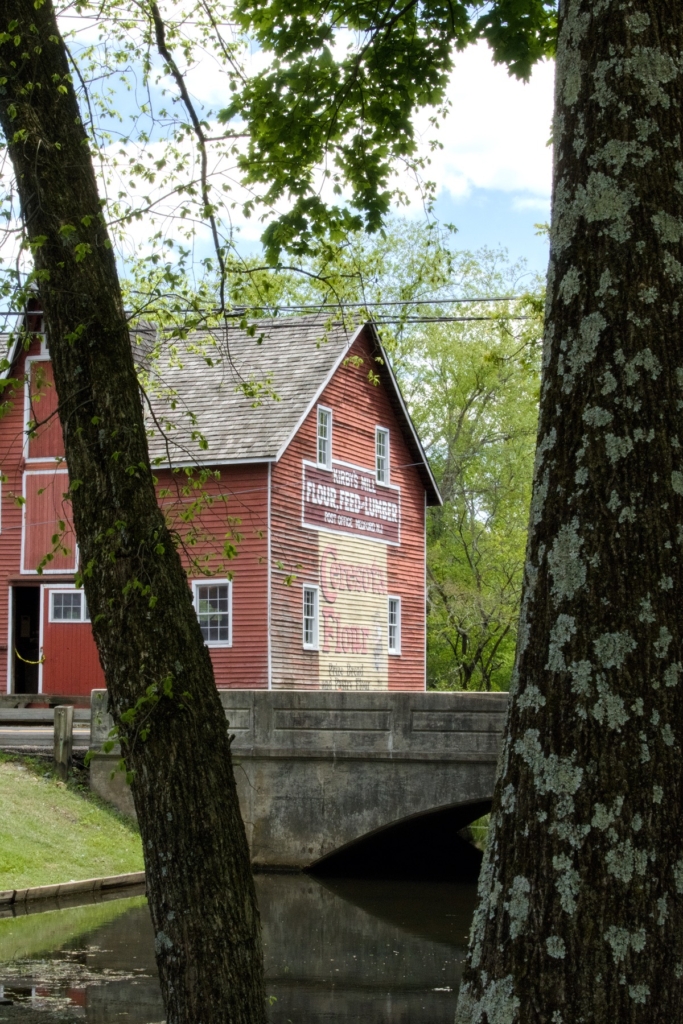
“We have demonstrators, reenactors, displays all about different historical country occupations and things about daily life that would have been seen here between 1778 into the early 1900s,” said Mike Gallagher, vice president of the Medford Historical Society, about its annual Country Day. This year, the educational afternoon, filled with family fun, took place on May 3
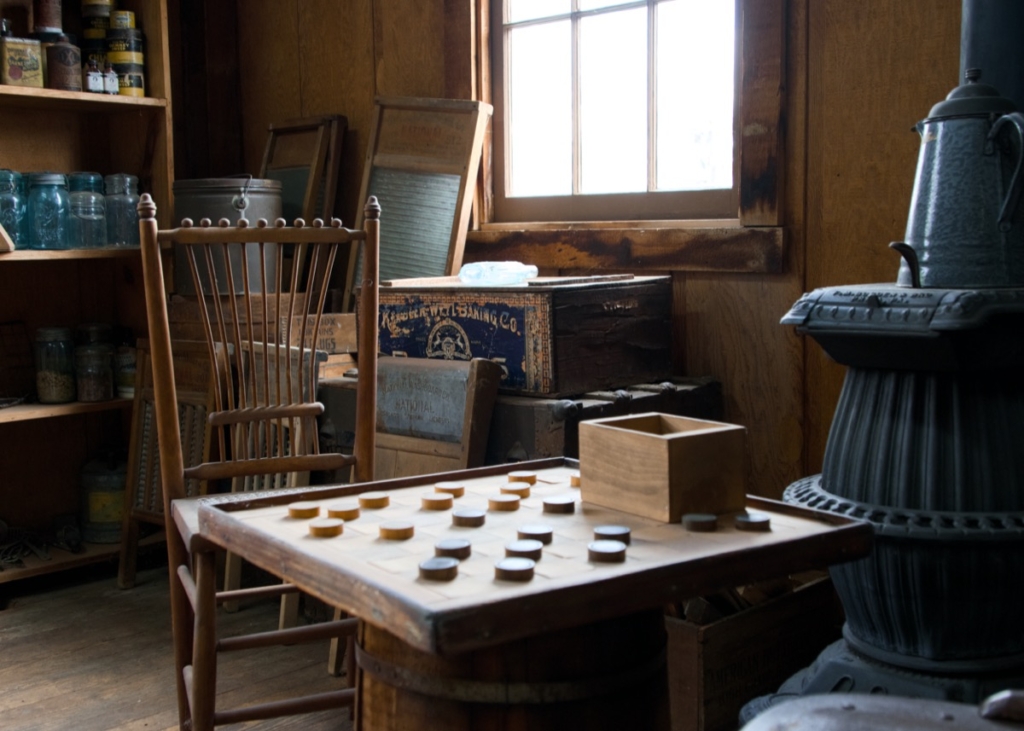
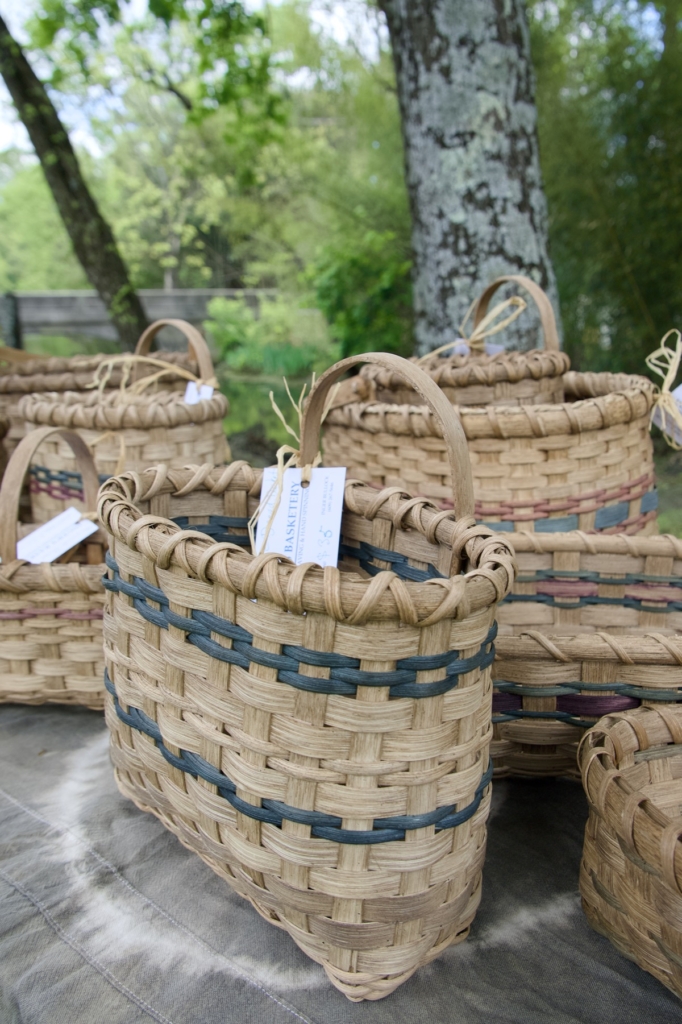
“We have demonstrators, reenactors, displays all about different historical country occupations and things about daily life that would have been seen here between 1778 into the early 1900s,” Gallagher said.
Members of the South Jersey Guild of Spinners and Weavers reenacted weaving with a barn loom using different threads. They explained how a person had to plan ahead to measure the right amount of thread needed and also to pick the colors of the thread they wanted to use beforehand.
“It’s also called a barn loom because it was too big for your house,” Gallagher noted.
Manning the print shop, Gallagher demonstrated how a letterpress machine would work. One could imagine those operating the mill during the 19th century making small pamphlets, brochures, and advertisements about the mill.
There was also a reenactment of turning wood with a lathe to, for example, make a wood porch spindle.
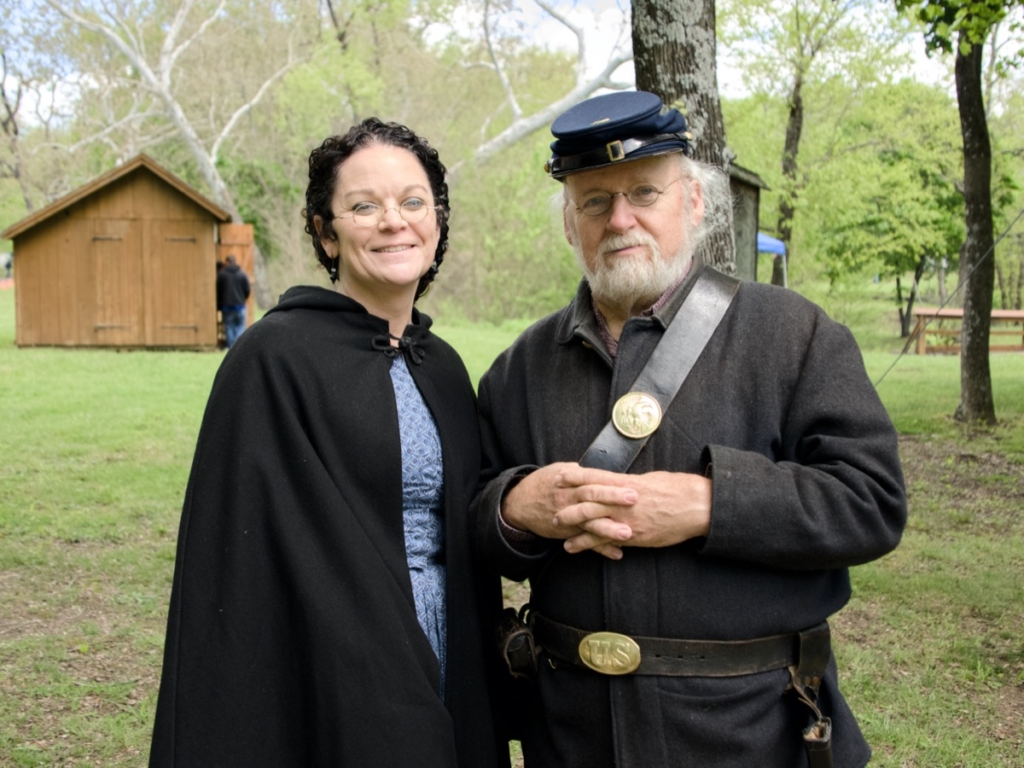
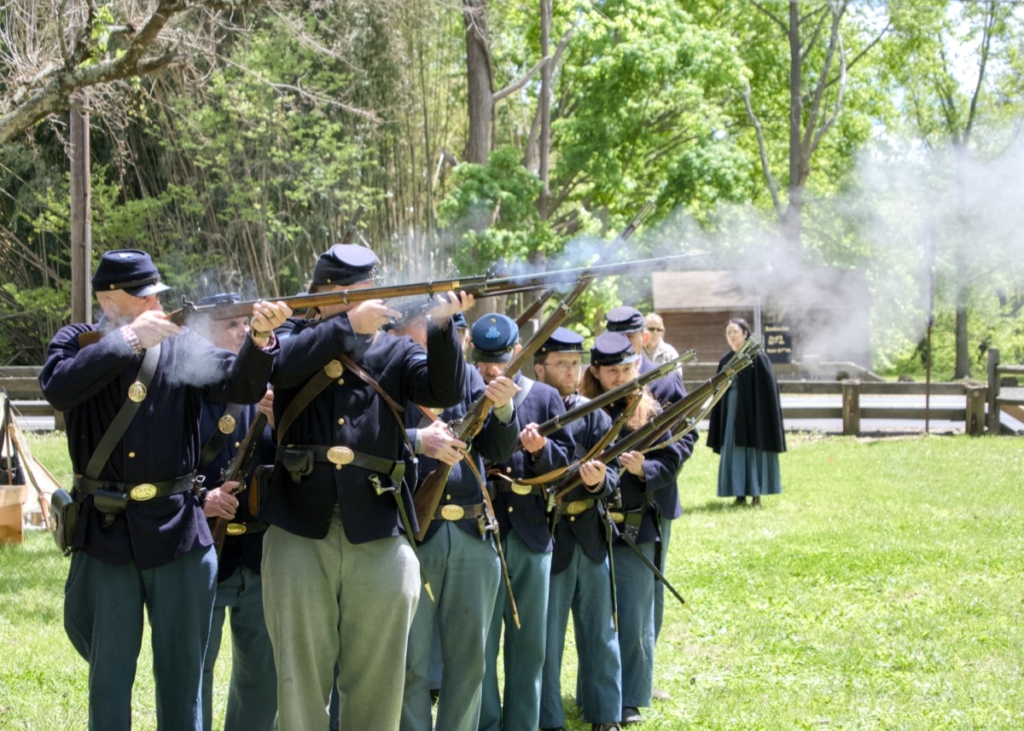
On the grounds, attendees saw blacksmithing in action. Visitors were encouraged to dress in period clothing of their choice from a station with clothes for all ages. The 12th New Jersey Volunteer Infantry Regiment reenactors set up a Civil War encampment and conducted rifle demonstrations. The Infantry, according to the New Department of State, was mustered into service on September 4, 1862. In the spring of 1863, it was assigned to the 3rd Division of the 2nd Corps of the Army of the Potomac and was the only New Jersey Regiment in that Corps.
The carriage house at Kirby’s Mill was transformed into a historic mobile home for a person tending charcoal. Scattered among the rest of the grounds were displays of glassworks, and iron works.
Attendees were also able to write or draw with a quill and seal it with wax.
Local musicians added to the day’s charm with folk and Pinelands‑style music.

