
The Community House of Moorestown is impossible to miss. A combination of English and colonial styles, the three-story, 25,000 square foot building and its grounds encompass 2.2 acres in the middle of E. Main Street. Designed by Philadelphia architects Karcher & Smith, its architectural significance has made it eligible to be individually listed on the New Jersey and National Registers of Historic Places.
But to passersby, what happens behind the closed doors may seem mysterious.
“I would see weddings on the lawn of this massive building and I would say, ‘Wow, that was a strange-looking church,’” Pam Henshall recalled. But it didn’t take long for her to learn about it and, more importantly, to fall in love with what it really was. Now the Community House’s executive director, Henshall is leading the celebration of the nonprofit’s centennial and continuing its legacy as a community anchor.
The Community House’s story began in the spring of 1924, when two members of the Women’s Club of Moorestown wanted a physical space for the organization, similar to the Porch Club of Riverton building that had opened several years earlier. The desire for these spaces was in line with the post-World War I trend of volunteerism and civic engagement. Building community houses for groups to gather was part of this movement. They pitched the idea to Eldridge R. Johnson, the founder of the Victor Talking Machine Company — a phonographer manufacturer and recording company — and a Moorestown resident. He agreed to purchase the land, and build and furnish the project if residents created an endowment fund. The community rose to the challenge and within a few months raised over $100,000. Soon after, the architectural plans were drawn and the cornerstone was laid on the grounds.
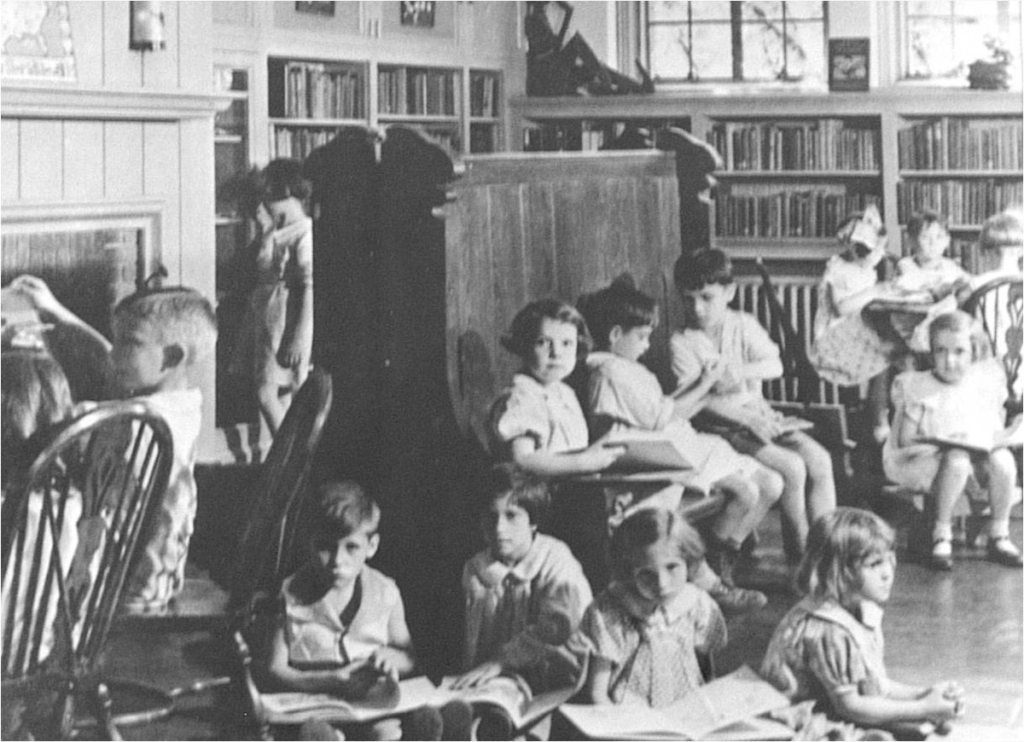
The site for the new center was three acres of land that included one of the oldest homes in town at the time, where Mary Sumner, the founder of the Moorestown Visiting Nurse Association, lived. Sumner’s home was demolished in December 1924, and 16 months later, the Community House of Moorestown opened its doors, with the Moorestown Visiting Nurse Association and the town library as two of the original tenants.
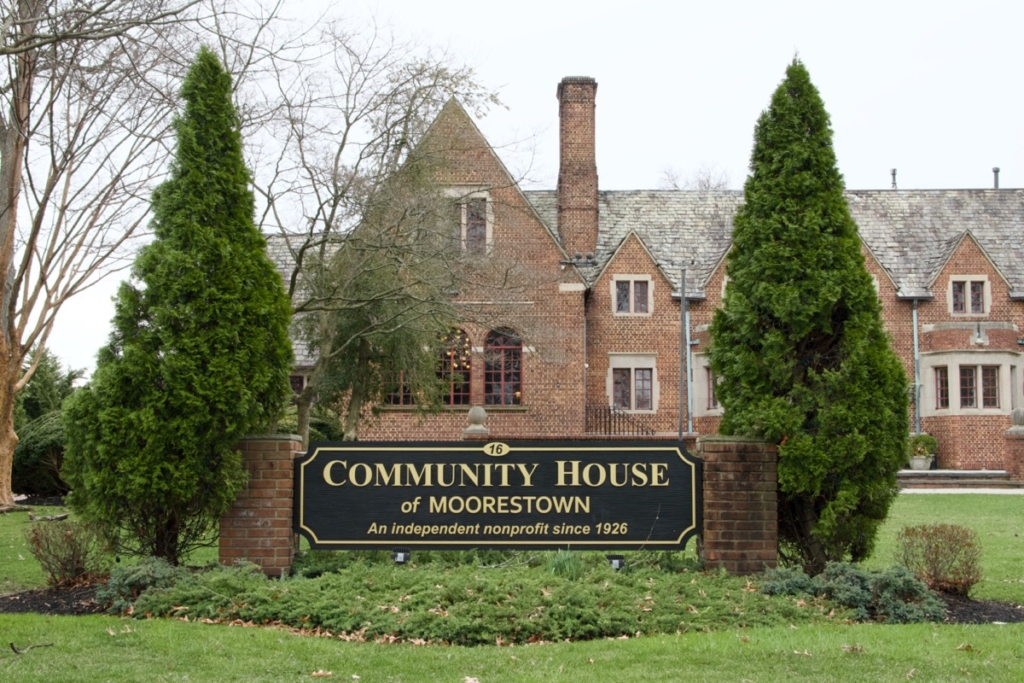
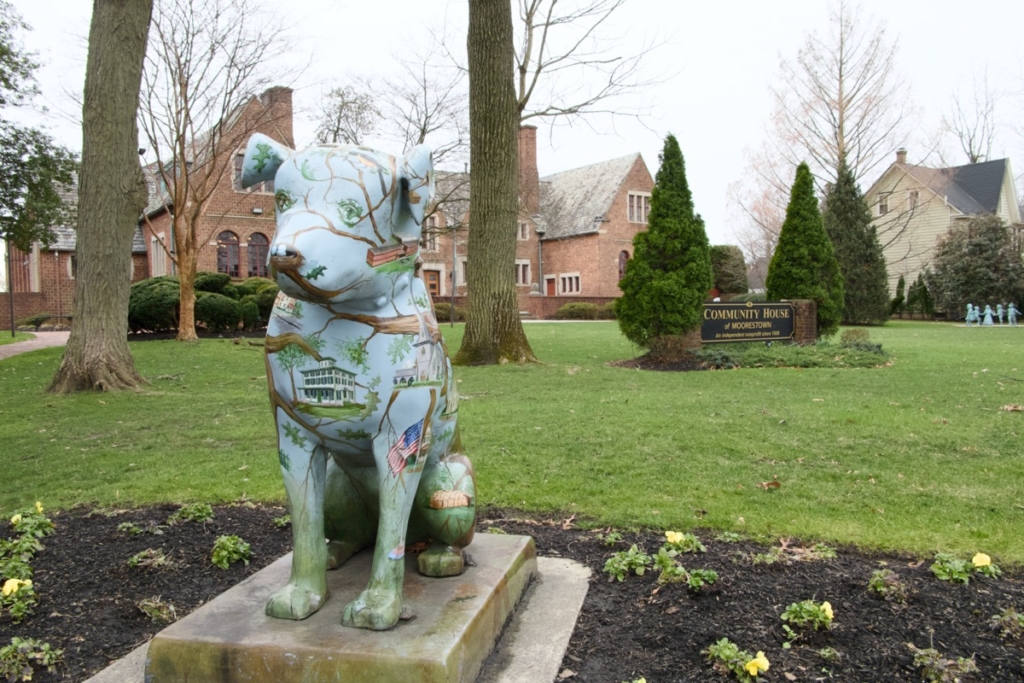
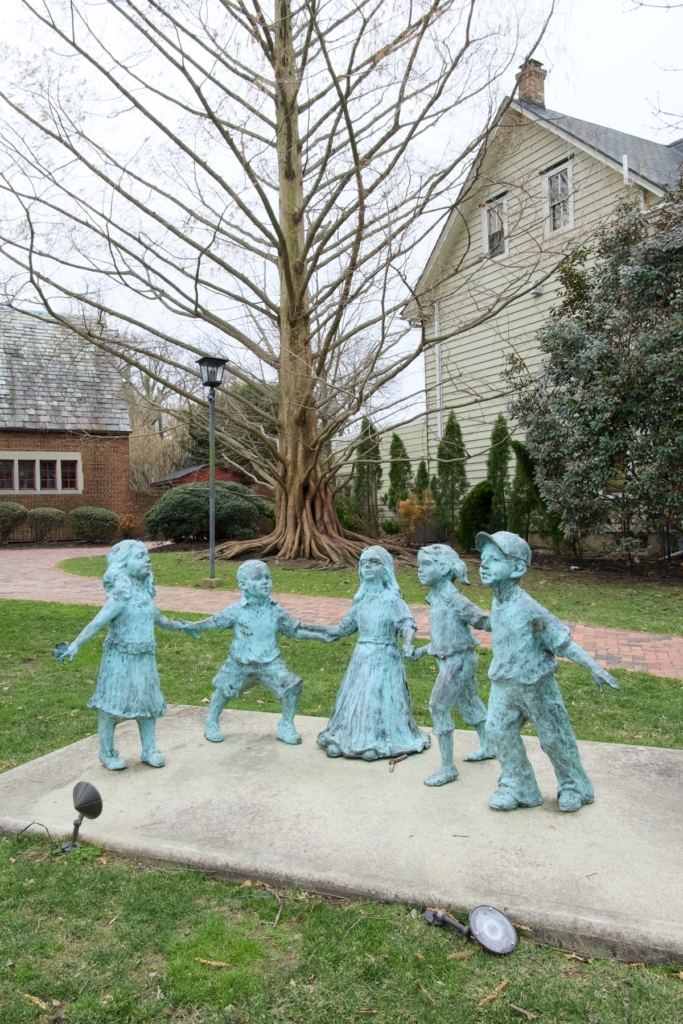
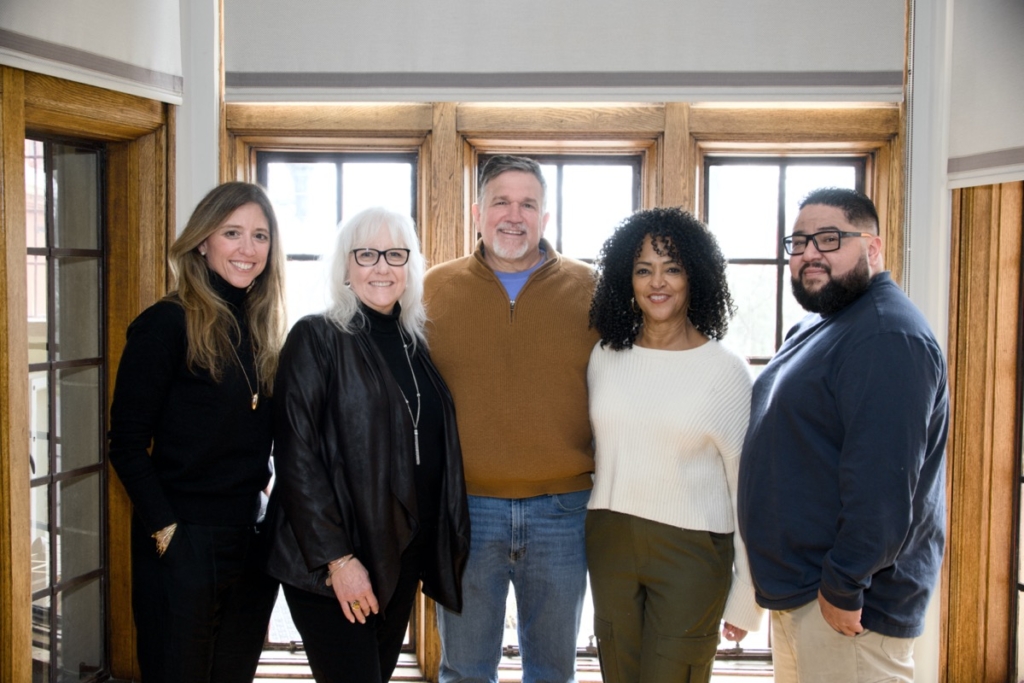
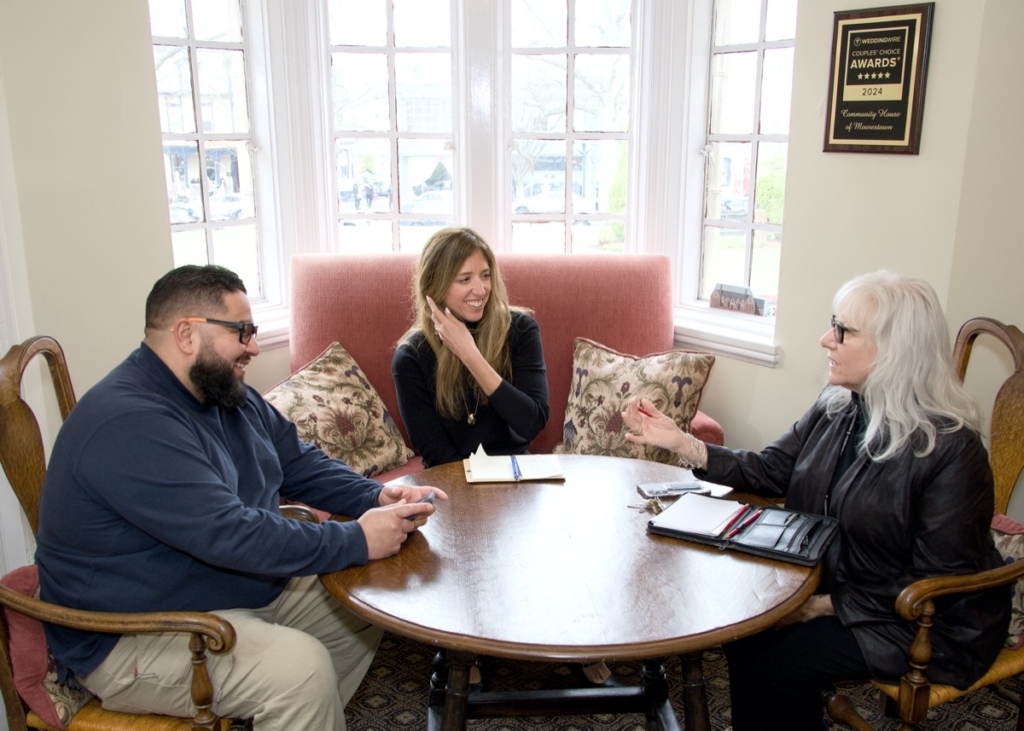
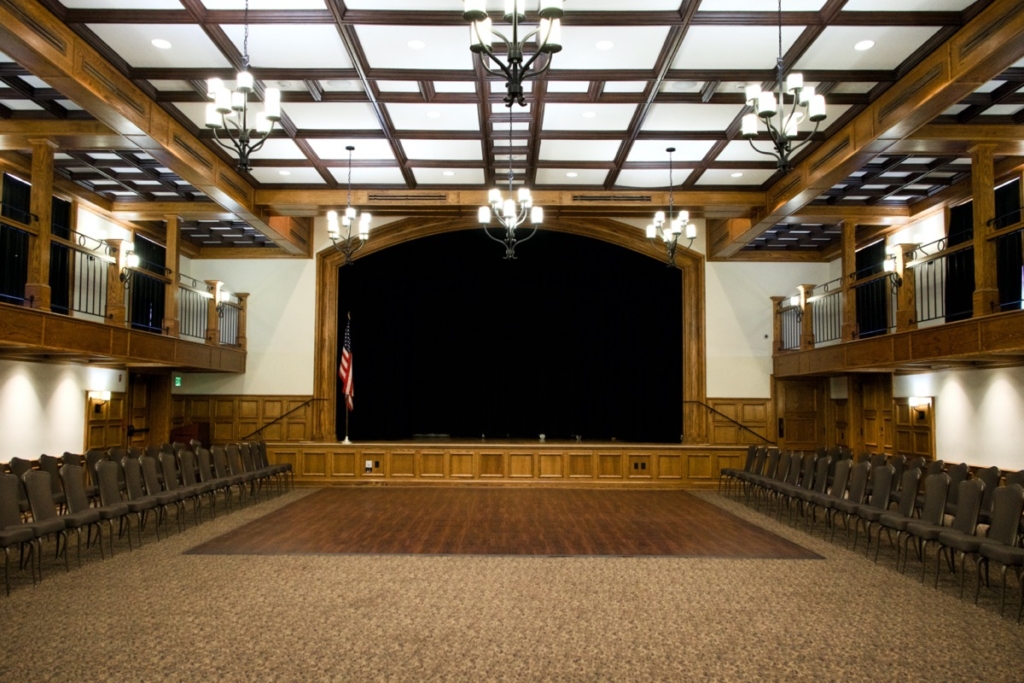
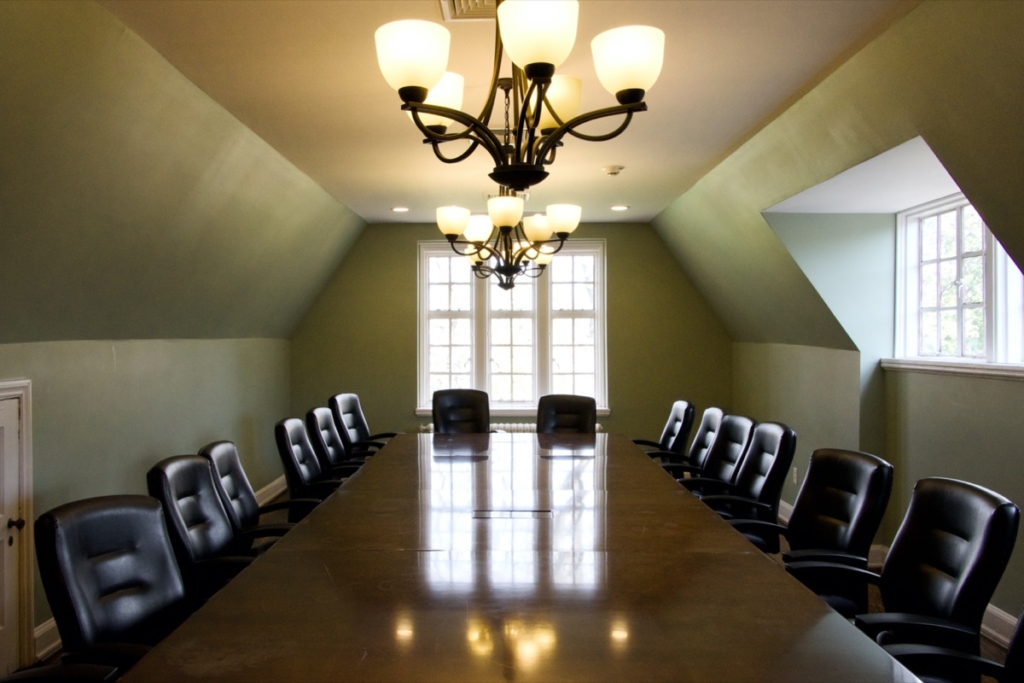
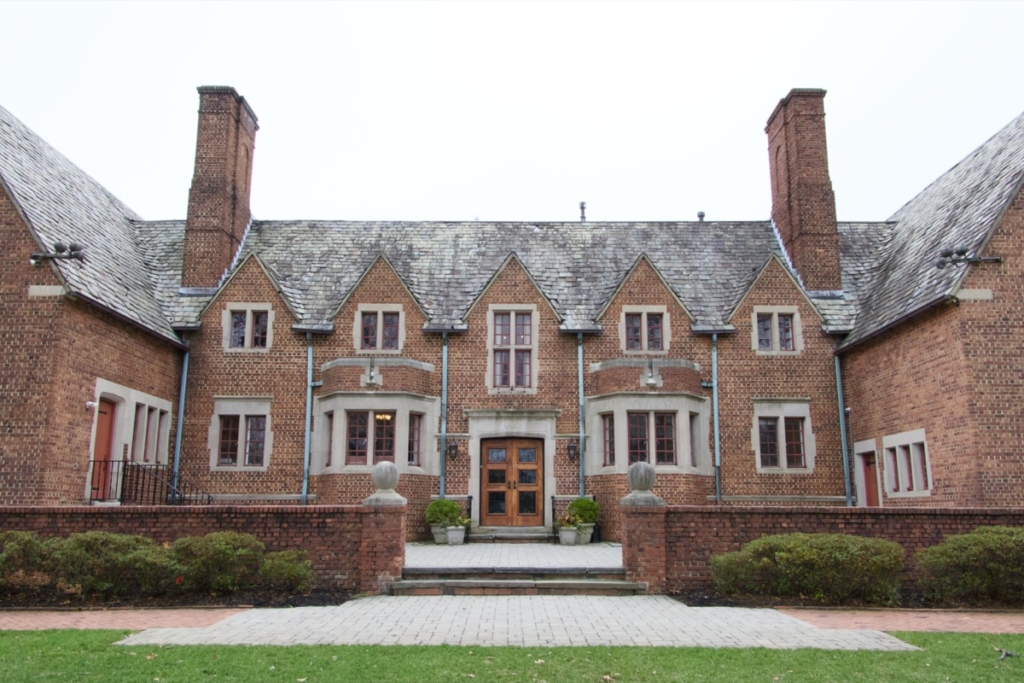
“I would see weddings on the lawn of this massive building and I would say, ‘Wow, that was a strange-looking church,’” Pam Henshall recalled. She is now the Community House’s executive director, leading the celebration of the nonprofit’s centennial and continuing its legacy as a community anchor
It was a hit. Five years after opening, the building was enlarged to include what is now the Garden Room and an expansion of the library. “The Moorestown News” published a supplement to its daily paper to commemorate the Community House’s tenth anniversary. “With the passage of years, the building has become still more beautiful. But its loveliness is not alone a matter of well-kept lawns and shrubbery, and ivy-covered walls. It is the beauty of perfect usefulness,” the supplement read, noting that 55 activities sponsored by 44 organizations made use of the facilities.
Prominent local nonprofits such as the Mount Laurel YMCA, Orchard Friends School, and The Tender began here. “It’s bitter that they leave, but it’s sweet that they grew here and that they became viable organizations [with] us helping them,” said George Schulmann, who is the current board president of Community House and who has served on the board since 2006.
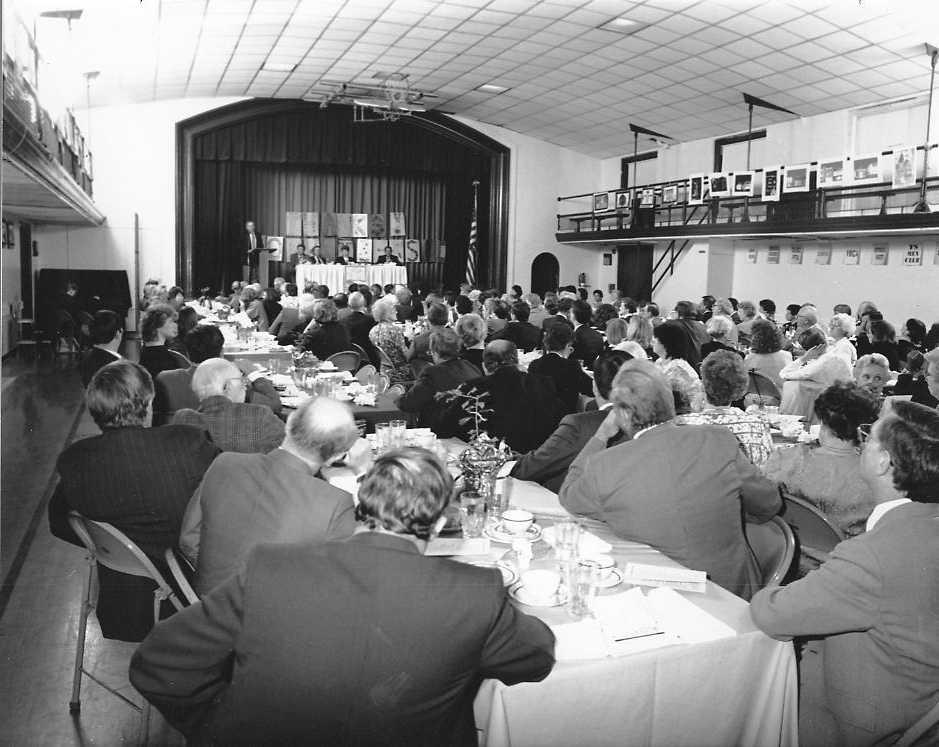
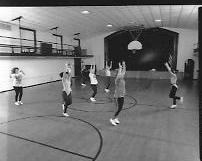
Beyond its role as a local nonprofit incubator, Community House has shaped many lives as the home to a panoply of events, groups, and activities. Newspaper clips from the 1960s through the 1990s show that Community House hosted garden tours, Eid celebrations marking the end of Ramadan, wine appreciation classes, a South Jersey advocacy group aiding survivors of violent crime, a Quaker school for children with language-based learning disabilities, Big Brothers/Big Sisters of Burlington County, and a recreational gymnastics program.
Schulmann’s first encounter with the Community House occurred in 1969 when he took swimming lessons as a young boy from Walter W. Kanigowski, a famous swim instructor and local legend.
“Mr. Kanigowski never went in the pool that I remember. But he had a pole with a hook,” Schulmann said.
“So, if you were having problems, he would just fish you out of the pool.”
Schulmann attended middle school dances in the all-purpose room and later worked as a DJ there as a high schooler. The Community House has continued to be integral to Schulmann’s life. It’s where his daughters took ballet lessons and one later got married; it was the site of his parents’ 50th wedding anniversary and later his mother’s memorial; it’s where he has attended Rotary Club meetings every Thursday for the past 25 years.
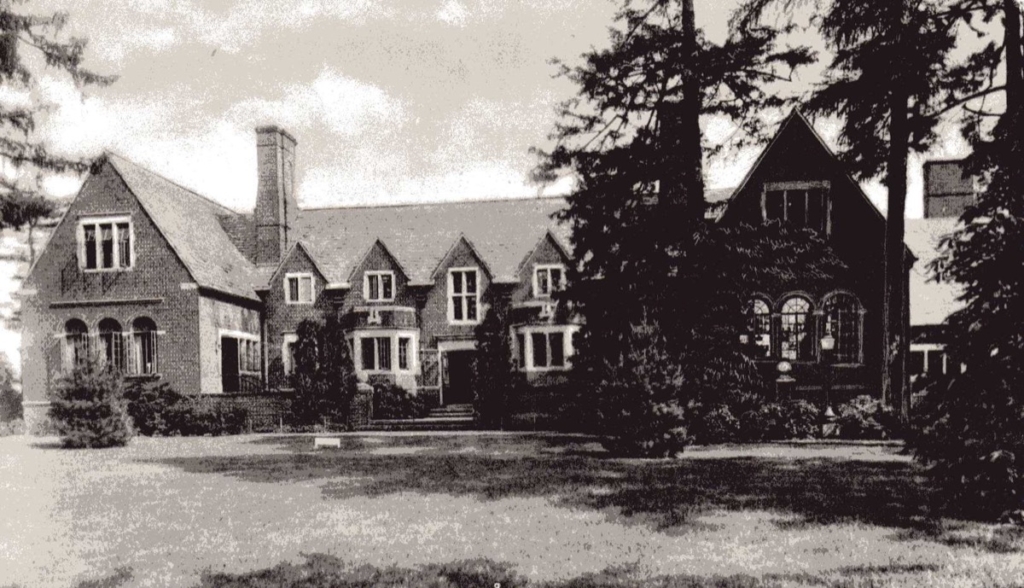
While its rich history is a significant part of its appeal, maintaining a century-old building is challenging. “It was a very well-constructed building,” Glenn Henkel, a tax and estate-planning attorney and the board’s longest-serving member, said. “Back in those days, they built everything with a 100-year life. When you do the math, things that were anticipated [to last] 100 years [have] started to come to fruition.”
Beyond the growing number of necessary repairs, the Community House has had to navigate local and broader changes and make hard decisions accordingly. For example, the all-purpose room was converted into a ballroom after the board realized the room was being used less and less. Less than a decade after the ballroom opened, the pool closed and its future remains unknown. There have also been unexpected challenges. In 2015, the building suffered a major fire that necessitated significant repairs. Insurance coverage, donations, and the expert advice of general contractor Paul Canton III allowed the Community House to be remade even better than it was before, Schulmann said. But then in 2020, the COVID-19 pandemic arrived. “That really set us sideways,” Henkel said.
To make matters more difficult, most residents forget the Community House is completely independent, and does not receive any government funding. Nonprofits that use the space are given a 50 % discount. Their revenue comes from rental fees and donations. And with respect to the former, time is a finite resource. “There are only so many dates,” Schulmann said of events generating enough revenue to keep the Community House alive, making donations more important.
In honor of its centennial, the Community House will host a variety of events starting with the rededication of the building on April 18, exactly 100 years and a week after its initial dedication. In addition, the Community House will launch a capital campaign to establish an endowment that can support repairs and other needed work. More information about the Community House’s centennial can be found via the website.
Besides its centennial celebrations, the Community House, in partnership with Rowan College at Burlington County (RCBC) and Kings Road Brewing Company, will open the state’s first educational microbrewery in June. The taproom will occupy the Library room on the first floor, while the production space and the fermenters will be in the basement. RCBC students enrolled in the college’s brewing and fermenting courses will be able to gain on-site experience. The microbrewery will have separate hours and its own entrance. Still, Henshall said she is excited by the prospect of enhancing a historically dry downtown area, much like the King’s Road Brewing Company did in Haddonfield. They will join the current tenant, National Alliance on Mental Illness (NAMI) of Burlington County.
During a tour of the facility in early March, Henshall, and Schulmann shared ideas for reimagining the space. Taking a page from Hidden Mickeys in Disney parks, they contemplated adding new hidden images of Nipper, the iconic canine mascot of the Victor Talking Machine Company and later RCA, and creating a scavenger hunt for families. They plan to transform the grassy area in the back into an inclusive children’s garden. Children have a special place at the Community House.
“Speaking of children,” Henshall said, pointing to a lone Goldfish cracker on the floor, the culprit most likely an attendee of a Mister John’s Music class held earlier that day. “We always want to have this building as an experience for the community and for the children,” Schulmann said.
Despite the challenges, the future is bright for the Community House, the unoccupied and non-refurbished rooms full of potential. As an event space, Community House has hundreds of rave reviews for the thoughtfulness of the team and for being a DIY space that offers “limitless options.”
Henshall, who has decades of experience working in the nonprofit sector, said the board of directors is the hardest-working group she’s ever encountered. “It’s something I have not seen in my career before,” she said.

