
Denise Jonasz has owned Pure Couture, a consignment shop on Mechanic Street in Haddonfield, for 19 years, but she doesn’t describe her work as simply buying and selling clothes. Much of it happens outside the store: in clients’ closets, in family homes, and during estate cleanouts. In addition to styling shoppers and curating the racks, Jonasz meets with clients, evaluates clothing and accessories, and helps determine what might find a second life through consignment. The work requires a sharp eye, emotional sensitivity, and, at times, the ability to help people let go. Here, Jonasz shares how she found her way into the business, what really goes into consigning and estate work, and why clothing can mean more than fabric.
I was 41 years old and working in sales when the idea of opening a consignment store first came to me. Fashion has always been my passion. I studied fashion merchandising at the Art Institute of Philadelphia and started my career as a men’s clothing buyer before eventually moving into sales. Even then, I was already a consignment shopper. I loved the thrill of the hunt. A mentor of mine who had owned a consignment shop for many years said to me one day, “Denise, you love this so much. Why don’t you think about opening your own store?” Not long after that conversation, I saw a “For Rent” sign on Mechanic Street. I called up the landlord, told him I wanted to open a consignment shop, and signed the lease. Looking back now, it was a big moment in my life, but at the time, it just felt like the right step to take.
I grew up shopping in Haddonfield. My parents lived in Voorhees, and my mom used to bring us to Kings Highway to buy our shoes and clothes. I was brought up to shop in a town instead of a mall, and that has always stayed with me. When you shop in a small town, you are supporting small businesses and the community around you. Over time, you also develop an eye for things.
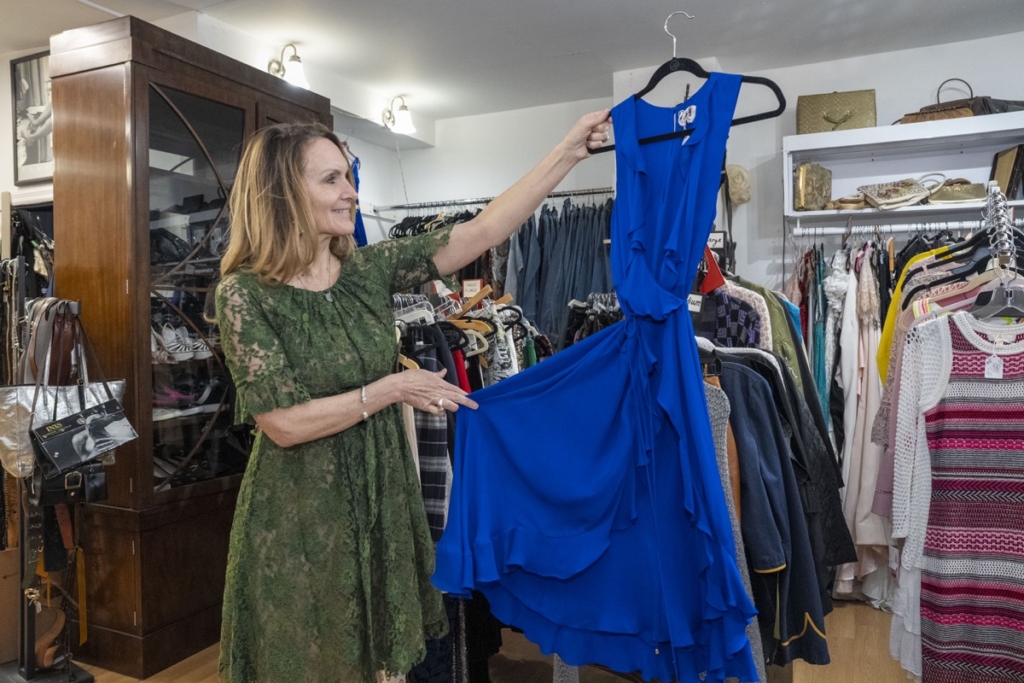
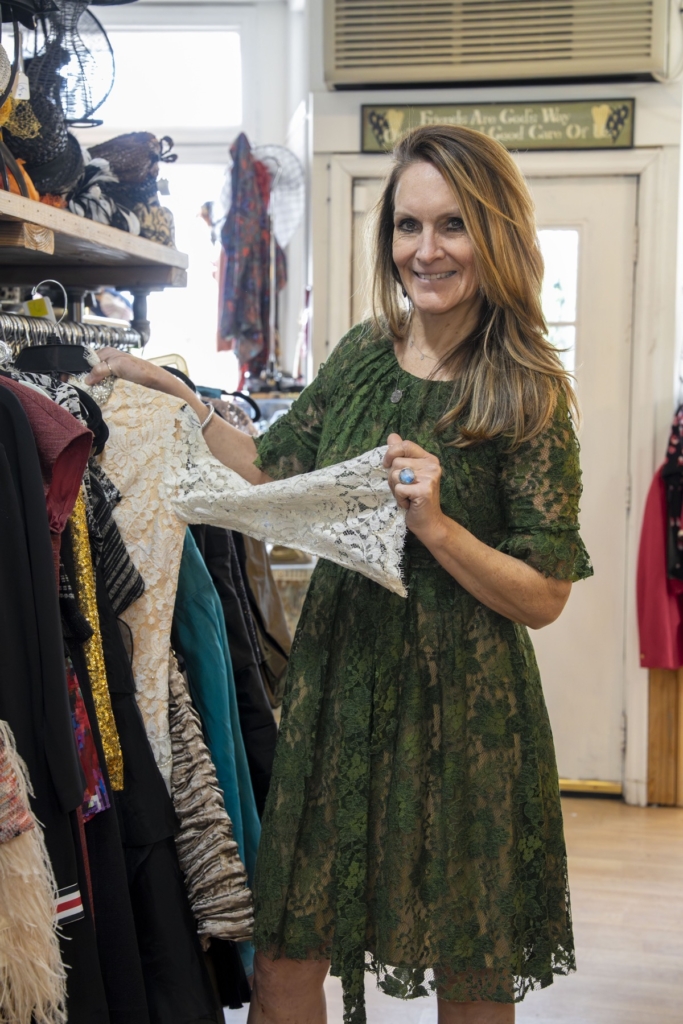
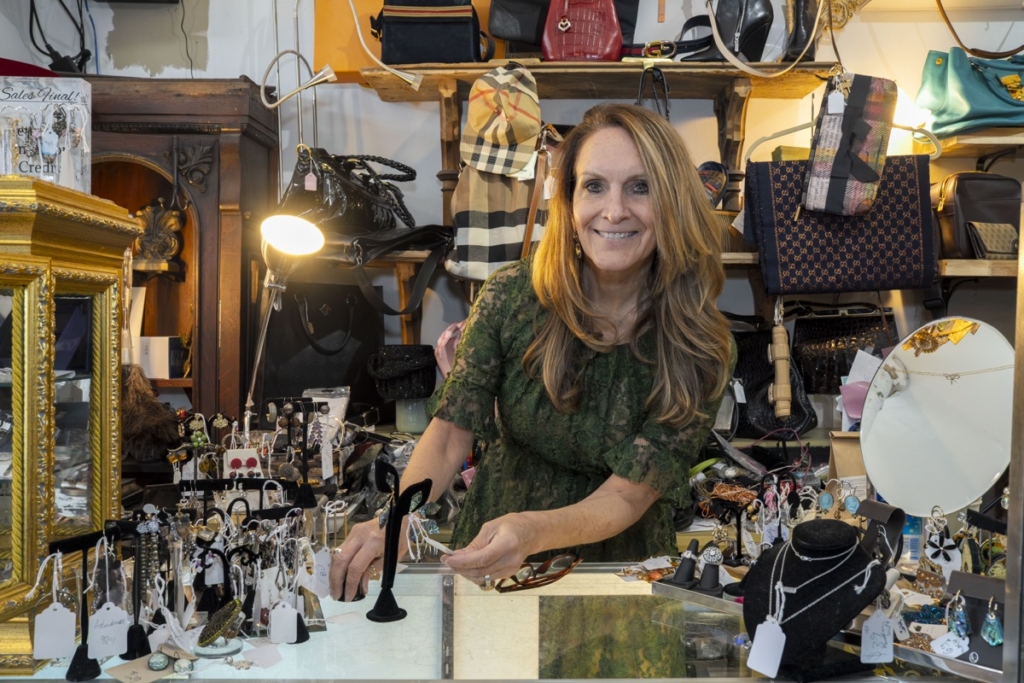
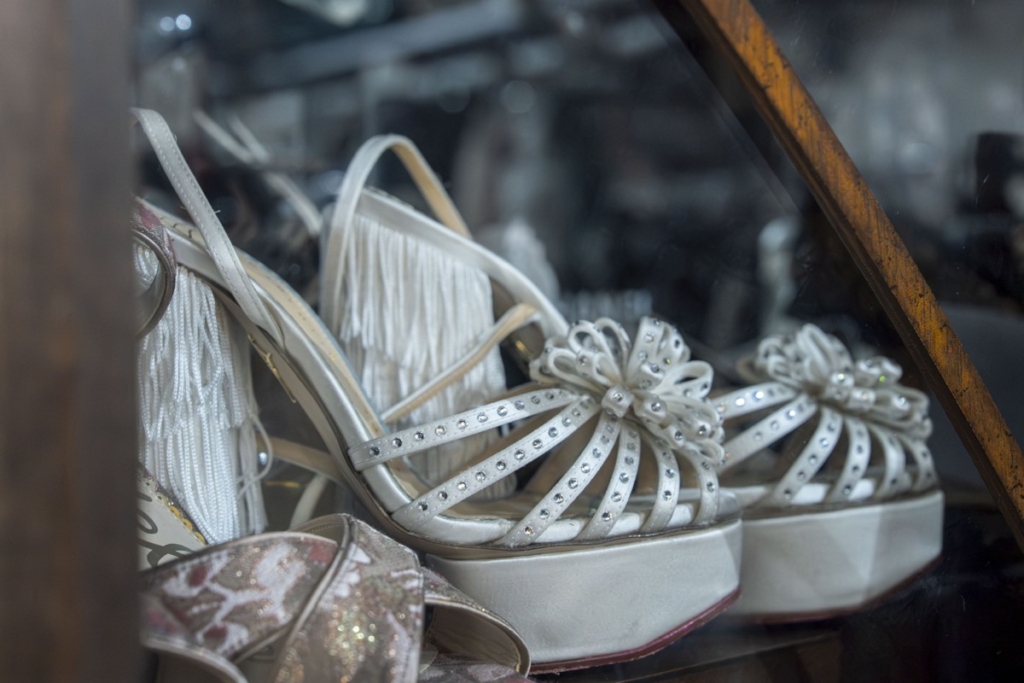
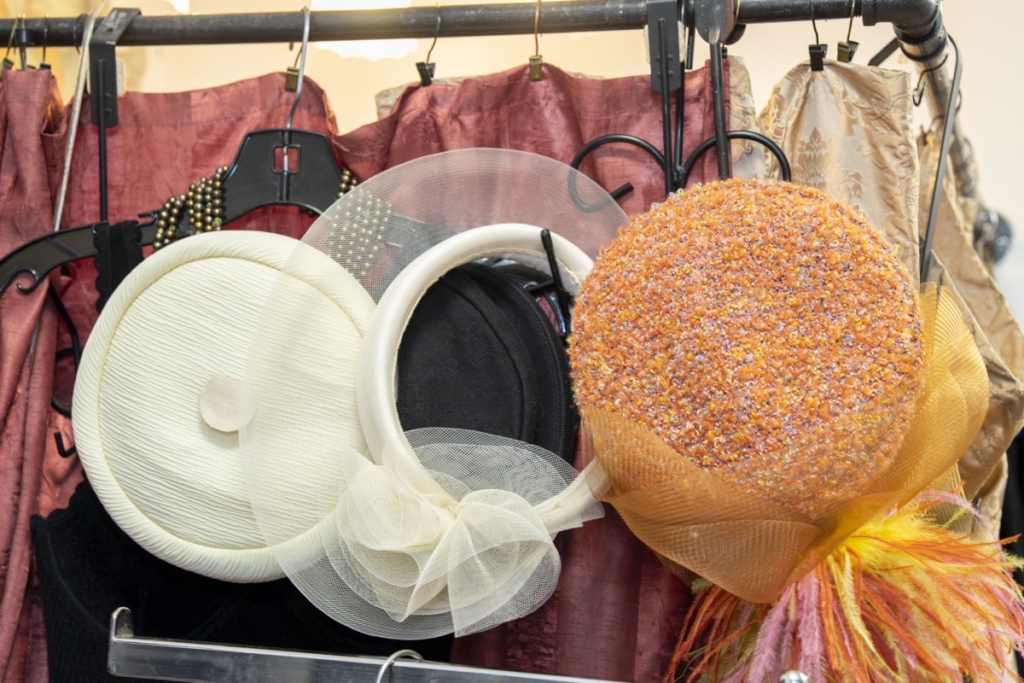
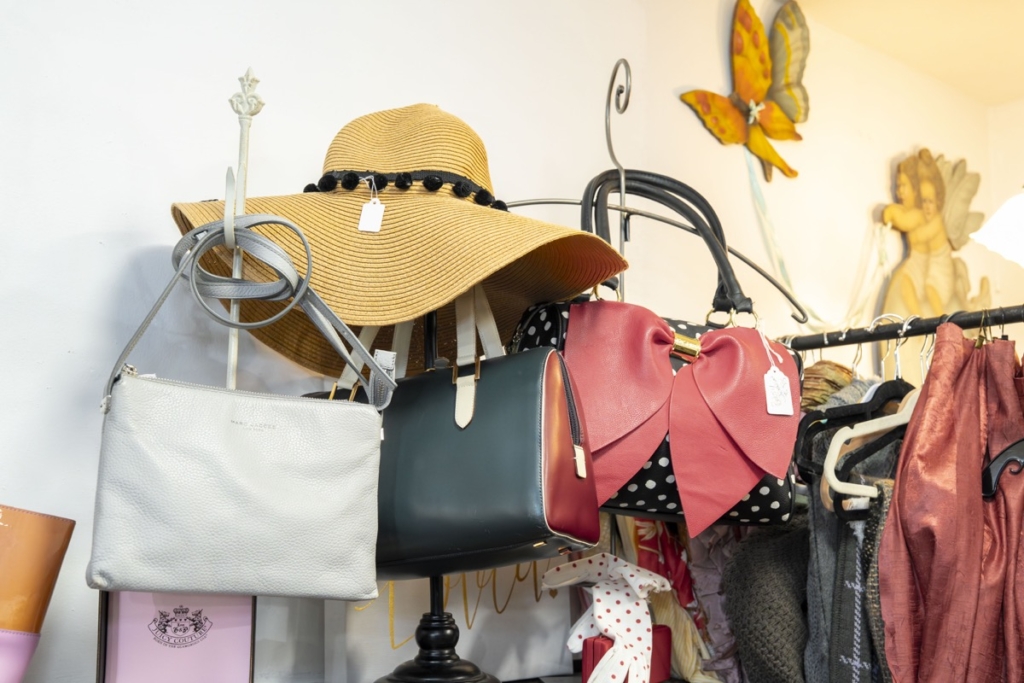
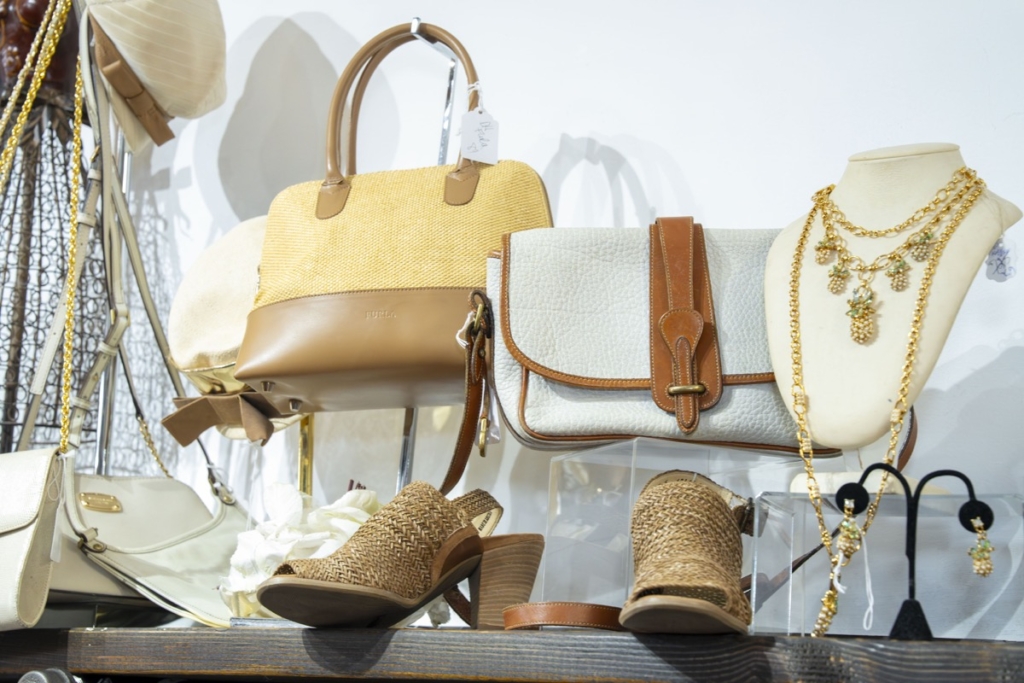
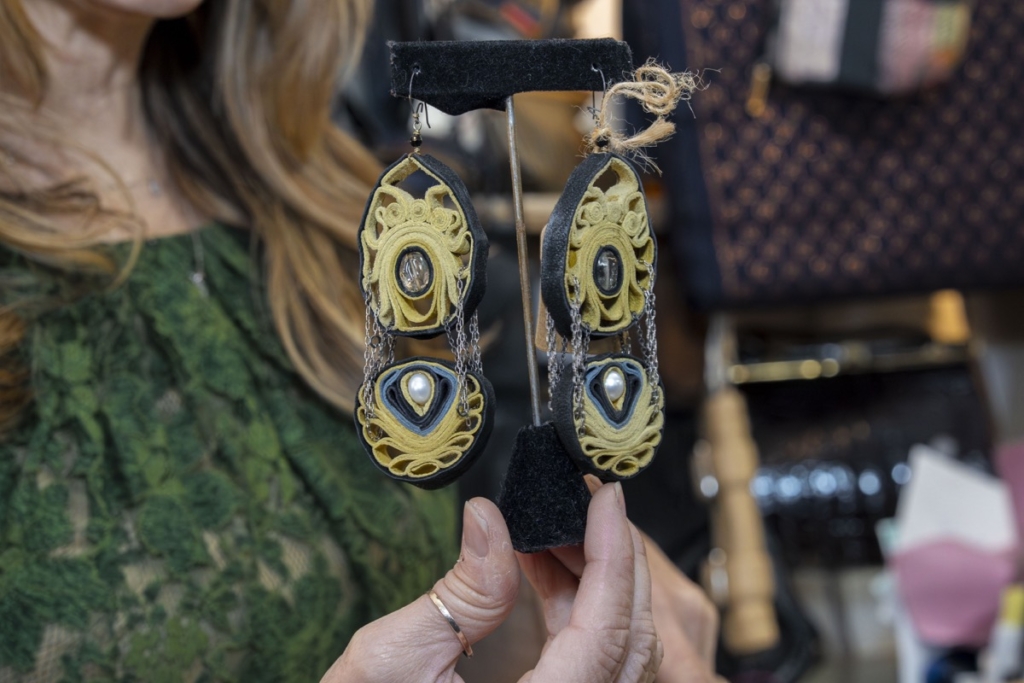
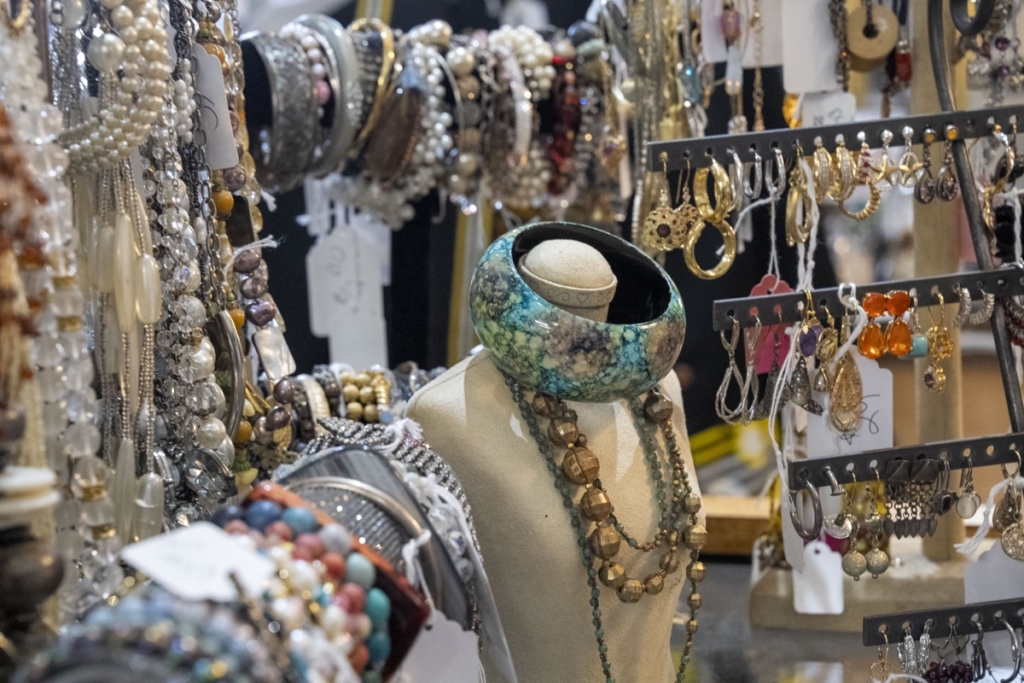
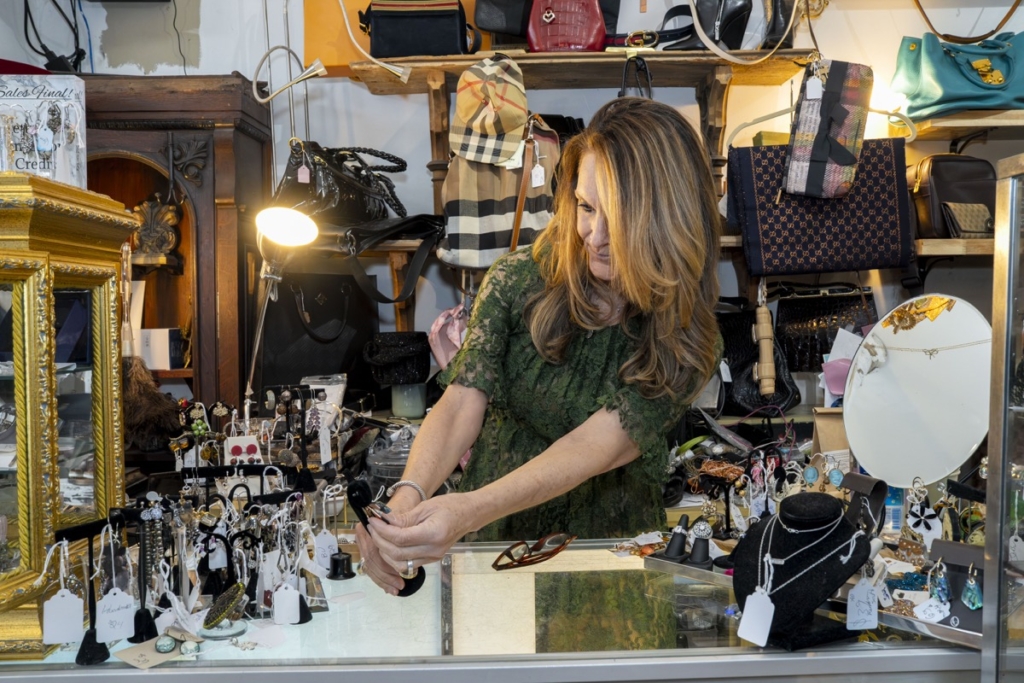
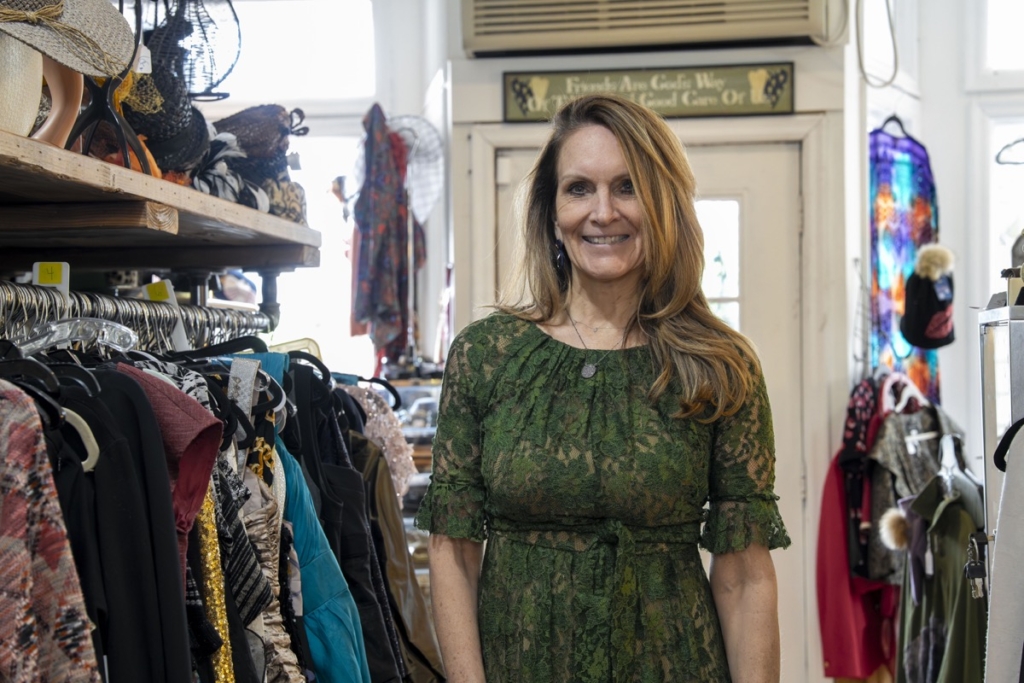
Clothing, textiles, and fabrics have always interested me. I pay attention to what people are wearing and make sure I stay on top of what is trending, but I also look closely at quality. I can see on a rack if something is made well and if the material is good. I am really against fast fashion and tend to gravitate towards pieces that are well-made.
Over the years, a lot of my work has come through referrals. Someone will say a friend told them to call me, or that I helped another family. Sometimes it’s when someone is downsizing, and sometimes it’s after someone has passed away. I meet them at their house, ask where the person has shopped, and start looking through their closet. It is a very personal process, and I try to treat people the way I would want someone to treat my own mom.
A typical day can start early. I wake up and check my bank account because I write checks out to consignors every single day. I want to make sure everything is in order before I head to the store. Even after the shop closes, the work does not really stop. I am answering messages on Instagram or Facebook and trying to keep up with social media. I make reels during the day so people can see what new pieces are coming into the store. I always say I’m like a one-man show over here.
When I go through a closet, I usually create three piles. One is for the shop, one is for family members who may want to keep something, and the third is for charity. People often ask where everything in the store comes from. I usually tell them, “I am the estate — I’m the estate sale before it hits the street.”
The store itself is small, about 600 square feet, so everything has to be curated. With that kind of space, I have to be selective about what I take in. One of the hardest parts of my job is saying no when someone brings in pieces from their closet. They may have spent the morning going through pieces they used to wear and enjoyed. It’s difficult to tell them something will not work for the shop.
Being part of the community is also a big part of the work. I get asked for donations often, and whenever I can help, I try to. I support multiple churches that help the homeless in Philadelphia, and I have been involved with Rally in the Alley in Haddonfield, which raises money for local causes. One of the most meaningful things I have done is help dress women who are going through breast cancer for a fundraising gala. I worked with several women to help them find gowns for the event. One of them told me she never thought she would feel beautiful again. In all my years of doing this, hearing something like that can make your whole career.
Lately, I have also noticed more Gen Z shoppers coming into the store or discovering me online. They are really smart and savvy with their money, and they are looking for classic investment pieces from Ralph Lauren and Calvin Klein, which they will keep in their wardrobes for a long time. Teens come in with their friends or parents. I think it is wonderful to see the younger generations embracing gently used clothing. What keeps the work interesting is the people. Everyone who comes into the store has a story, and I take the time to listen. I truly feel blessed to do this work.

