
Domonique Alesi has been an artist for her entire life, using various mediums to express herself, whether it be painting, drawing, music or paper sculptures that she later showcases and sells at galleries and museums. After dabbling in bookbinding as a child and later studying the craft, Alesi started Book Restoration Bindery, which had a storefront in downtown Haddonfield. The store is temporarily closed as she finishes her graduate studies.
I discovered bookbinding when I was 12 after reading Inkheart, a young adult fantasy novel where the protagonist’s father is a bookbinder. I started tearing books apart, turning paperbacks into hard covers with any materials I had. The hobby faded due to the lack of opportunities to foster and nurture my interest, which is a relatively new problem for a craft that has existed for millennia and only became mechanized during the Industrial Revolution.
My family read books, but book collecting was not a part of our dynamic. We went to the library, we got our books, we read them and then we returned them. I still loved books and wanted to be a part of the book-making process, so I studied illustration at the University of the Arts in Philadelphia and took introductory bookbinding classes. I also worked at the Philadelphia Museum of Art when I met someone who was getting a book conserved by a local bookbinder, David Donahue. I reached out to David and asked if I could do an apprenticeship. He initially refused because he wanted to retire, but I did not take no for an answer. If I did, I may have never become a bookbinder.
My work primarily consists of restoring and conserving books. While the concepts are often used interchangeably, in my field they mean very different things. For example, when my clients bring me books with sentimental value that have fallen apart and want me to refurbish them, that is restoration. Meanwhile, conservation is protecting what already exists. It’s a much more sterile process. In my studio I clear all the surfaces and put down Bondina, a non-woven polyester material. It helps to ensure I am not introducing any new materials or impurities, and that I don’t otherwise damage or weaken the original object. In addition, I bind and rebind books that are completely damaged. One time I had a client who wanted a special copy of his brother-in-law’s self-published book. He gave me a flash drive with the PDF of the manuscript, which I took to a printer and had it formatted to sew and print. Then I made the book from start to finish, giving it a fine binding in full leather, with the design featured in the book translated into leather inlays and gold tooling. He said it was the best Christmas gift he’d ever given.
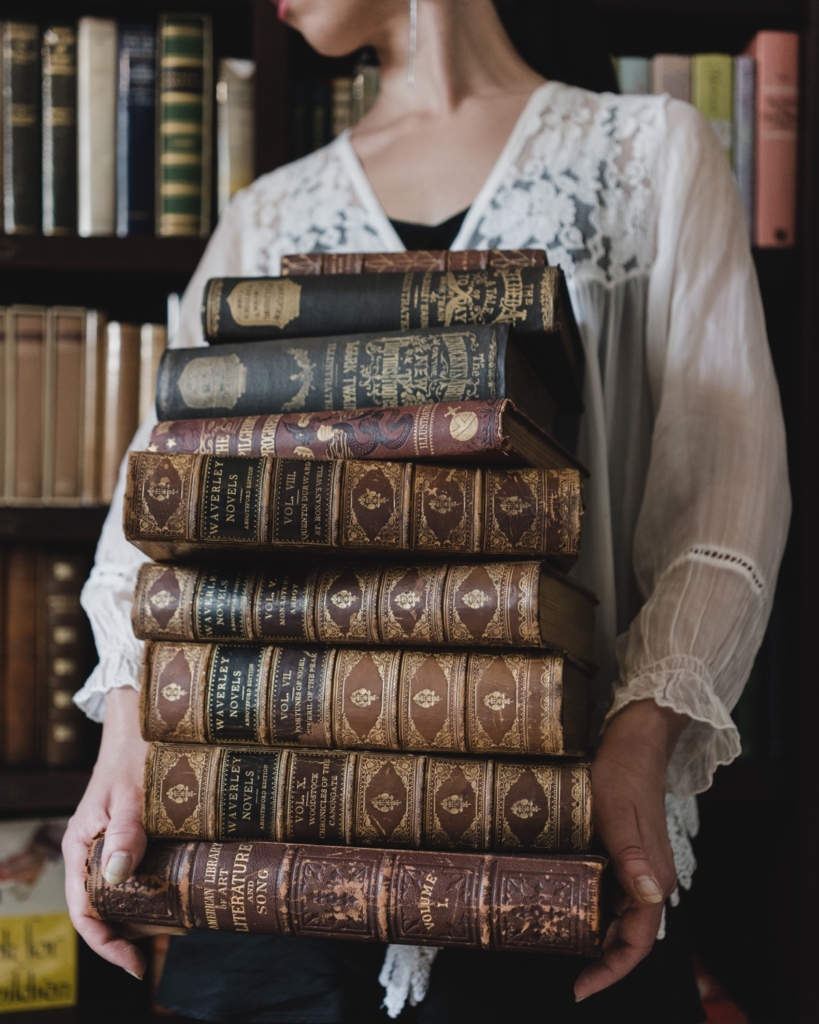
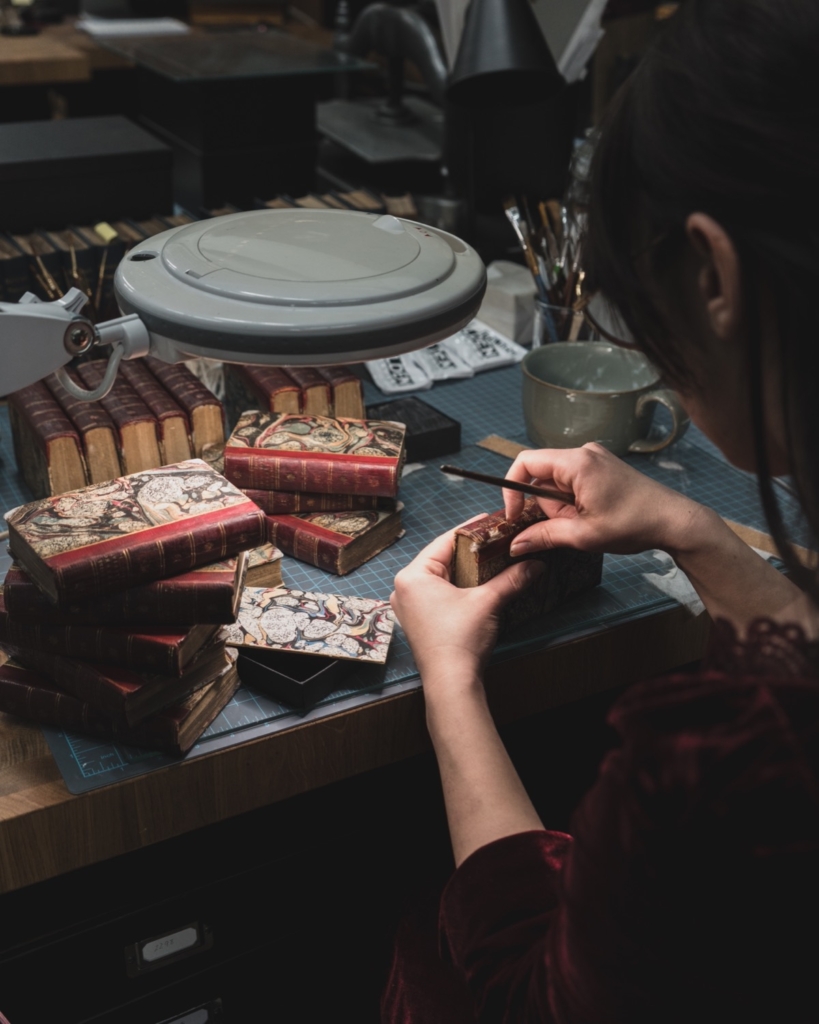
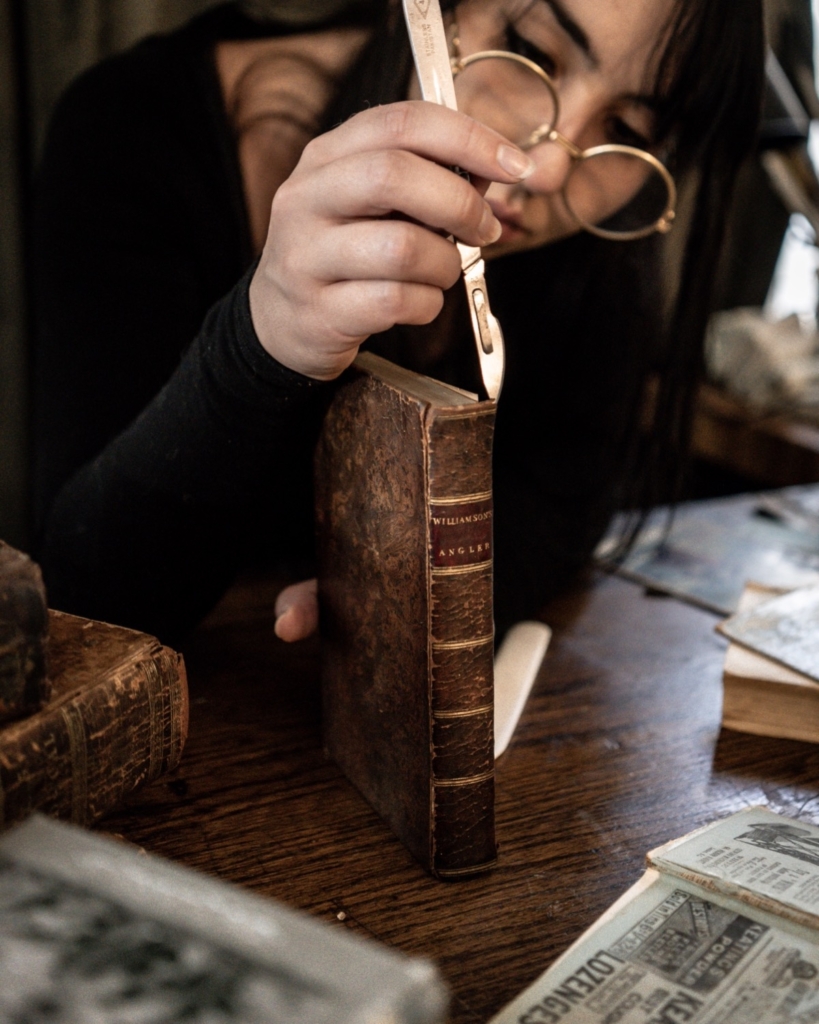
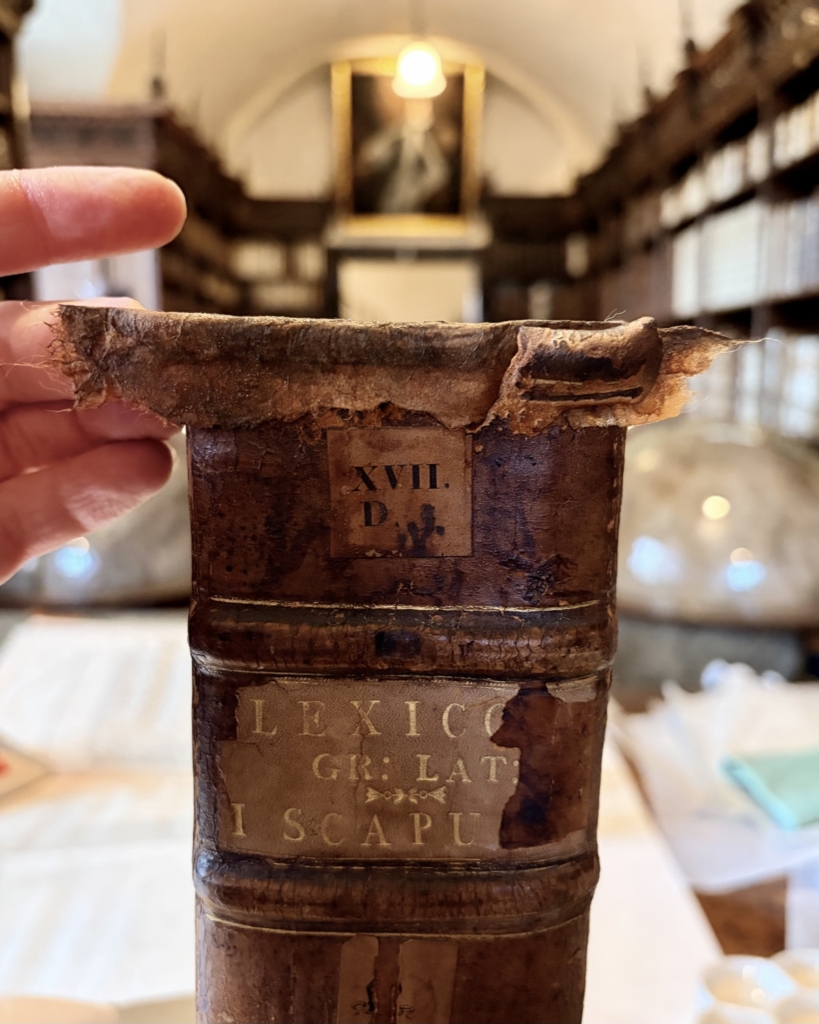
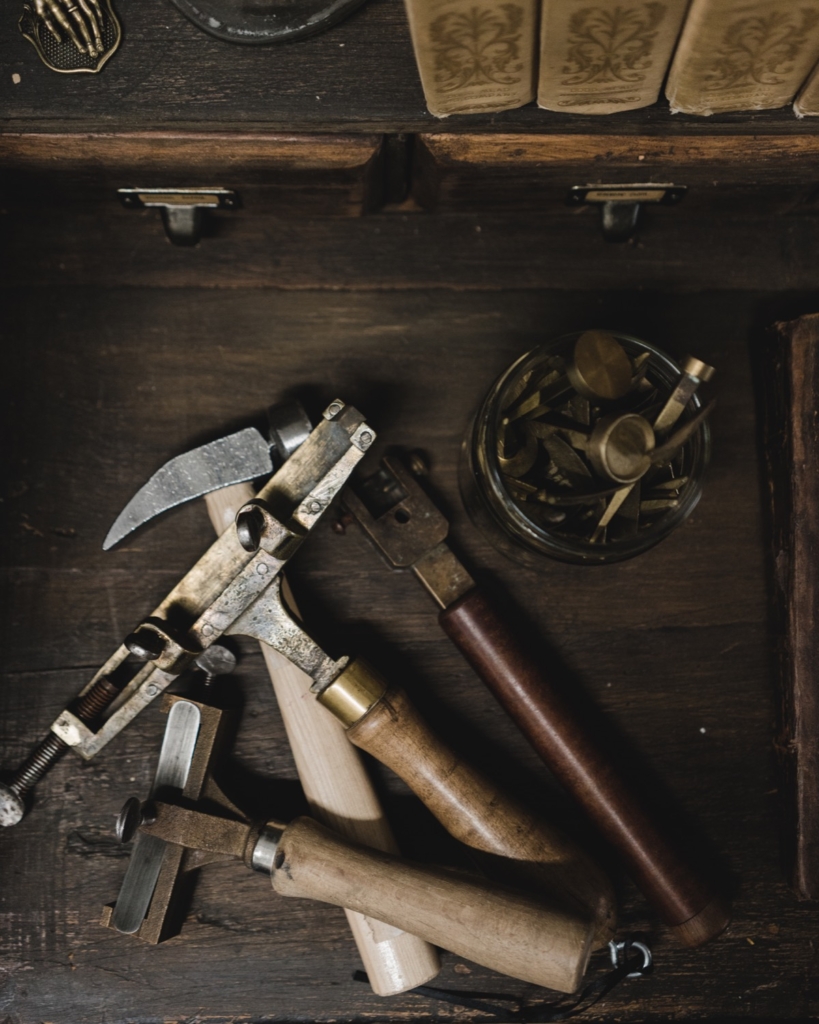
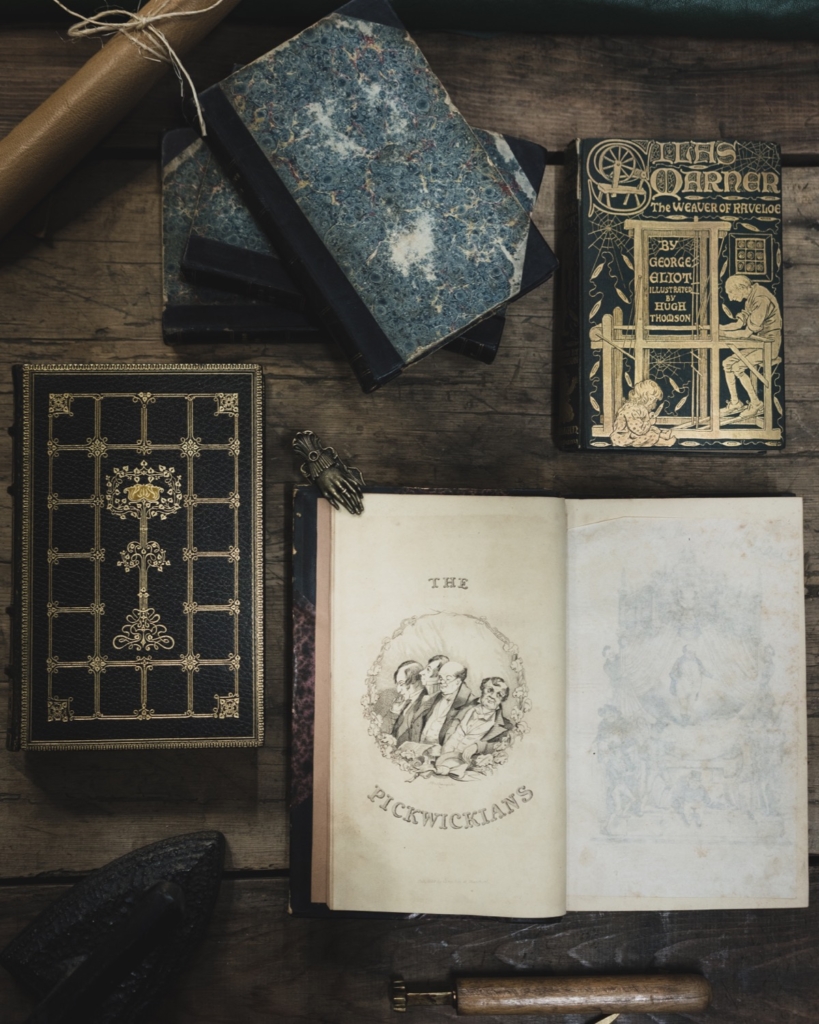
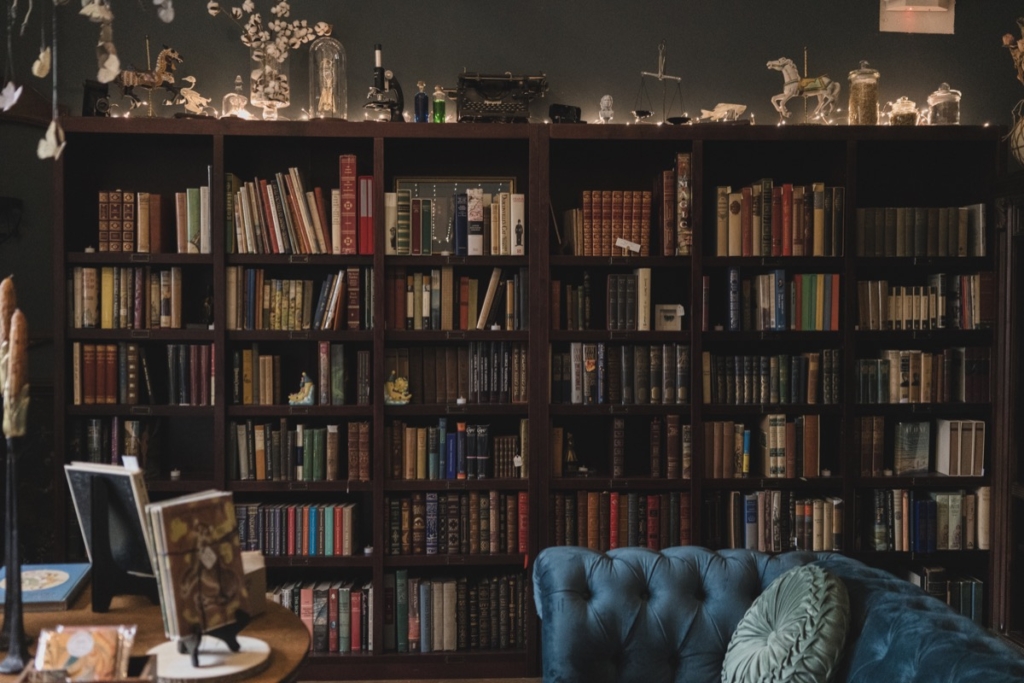
“There’s something so special about being able to put a dear memory back together, whether it was their mom’s cookbook or the family Bible,” explained Domonique Alesi, a bookbinder and conservator, who opened Book Restoration Bindery in downtown Haddonfield. Alesi has temporarily closed the store while she finishes her graduate studies in England.
My typical work day has changed since I began my bookbinding journey. After I apprenticed with David for a year, I continued to train while also helping him with tasks for private clients. Eventually I worked as a freelancer and had my own clients, which snowballed into a business. At that point, I paid David rent for my bench in his studio.
I moved to Collingswood in the fall of 2020 in search of a quieter life that was close to my clients in Philadelphia. Meeting clients who preferred not having to cross the Delaware River was encouraging, and made me realize that I could operate a business in South Jersey. Just months later I was searching for a larger space to house a shop. Bookbinders have a lot of equipment, from large guillotines for cutting stacks of paper to workspace and work benches. It was only by happenstance that I found a location in Kings Court in Haddonfield.
I would have been happy having a shop in either town. Both have strong business communities with lots of great events and marketing, along with good foot traffic. Walking down Haddon Avenue in Collingswood or Kings Highway in Haddonfield is special and adds to the overall experience of visiting my shop. That was very important to me, as I wanted someone to walk into my shop and feel the same magic and anticipation when starting a new book. I also wanted visitors to see the profession in action. When I was initially considering this profession, I didn’t know what I was looking at.
I began the process of opening my bookbinding business in Haddonfield in November 2021 and had a ribbon cutting in March 2022. Once I was in Haddonfield, I would try to line up similar work for the week to ensure efficient procurement. I spent a lot of time on scheduling and other backend work, which sometimes gets overlooked when you’re doing something creative. Eventually, when I had an employee I would check in with them. I also trained three people.
My favorite aspects of the profession include the actual process of bookbinding and meeting my clients. There’s something so special about being able to put a dear memory back together, whether it was their mom’s cookbook or the family Bible. A lot of times clients come to us either because it’s been loved too much or it was neglected. Either way, the client is trusting you with something very precious.
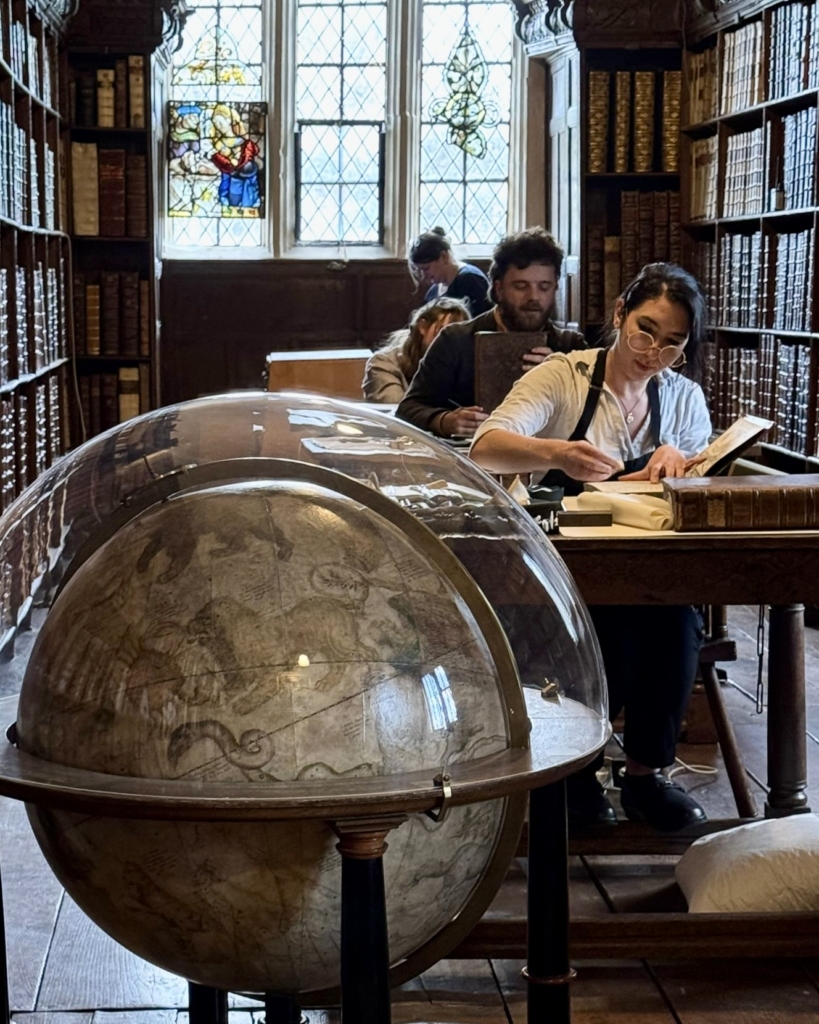
One of the most challenging parts of the profession is its physical toll. Finding individuals who are able or willing to do the work is also difficult. On a more philosophical level, the ongoing discussions surrounding conservation and meeting industry standards requires ongoing training and learning. A few years into this journey, I had momentum, I loved my work, and I loved my clients. But I also began hitting walls I couldn’t overcome. I was tutored over Zoom by Samuel Feinstein in Chicago, but virtual learning is a very difficult way to learn a craft. I wanted to work with different materials, such as parchment. You can’t find it in America, since the material became largely irrelevant following the introduction of the mechanized printing press in the late 15th century in Europe. Meanwhile in England, where I now live, there’s a nearby bookshop with parchment documents I can practice on. Temporarily closing my business in order to attend graduate school thousands of miles away was a really difficult decision, but I think I made the right choice.
Last September, I began a master’s program at West Dean College in conservation studies with a specialization in books and library materials. It’s been a wonderful experience. This past spring, I graduated with distinction, but I still have to write my master’s dissertation. I haven’t finalized a topic yet, but lately I have been really fascinated by wire stitch books, which were mass-produced books bound by staples rather than stitches. After I finish my dissertation next year, I don’t have immediate plans. However, someday I hope to teach someone who is as passionate as I was all I know about the craft, and they won’t have to talk to someone across the country or fly across an ocean to learn.

