
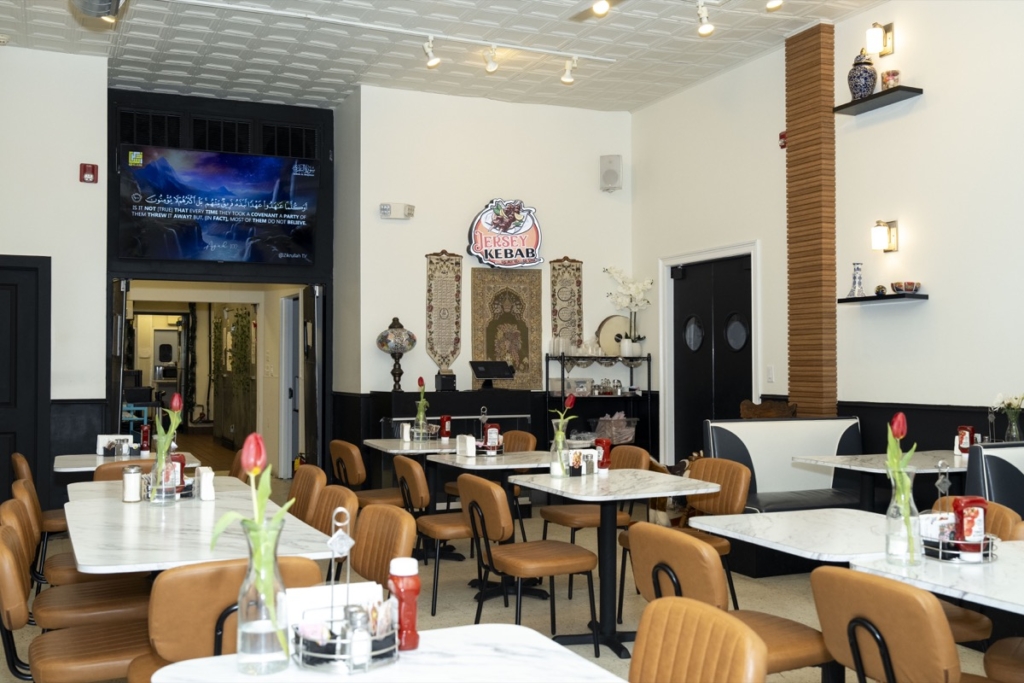
It’s 1 p.m. at Jersey Kebab in Collingswood on a bustling Saturday — Valentine’s Day — and every table in the large, light-filled dining room is full. Servers weave through the crowded room, carrying succulent platters of lamb, warm pita, creamy dips, and fries. A single red tulip in a vase adorns each table. Ornate Turkish, Egyptian, and Libyan decor lines the walls.
It’s a scene that Celal Emanet, the owner and patriarch, had long envisioned.
That vision might have surprised his community. Until late last year, Jersey Kebab — which opened in Haddon Township in 2021 — was modest. With four tables and 20 seats, it was an unassuming takeout spot where locals and commuters stopped for a casual meal. His friends advised him to look for a place in Burlington County, where there is a larger Muslim population. But Celal said, “I trust in my food. It’s delicious. I trust in myself.”
Back in Turkey, restaurant ownership runs in the family. Celal’s father and brother built a small restaurant into a thriving business that still operates today.
The new Collingswood location is a dramatic expansion. Opened in the former Stardust Café space (before that, it was Pop Shop) late last year, it features a warm, inviting dining room, expanded menu, and a private party room that has already hosted a wedding, business events, and a craft show. It’s an elegant yet casual spot to dine that’s popular with people of all ages and backgrounds, and a refreshing alternative to the neighborhood’s ubiquitous Italian fare.
But the family’s arrival in this prime location followed an extraordinary year.
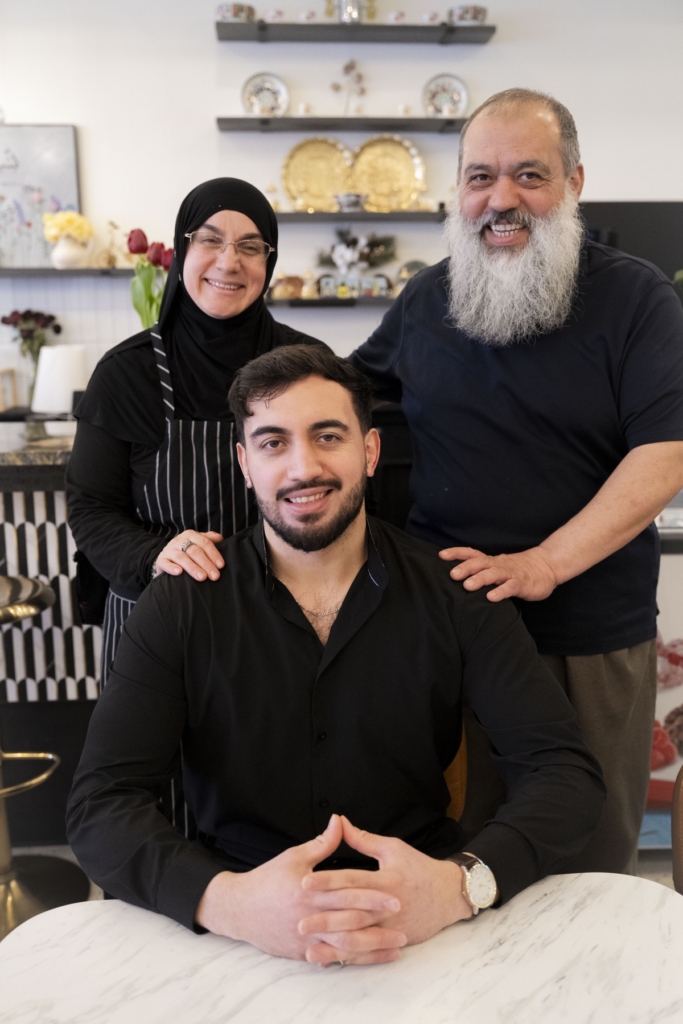
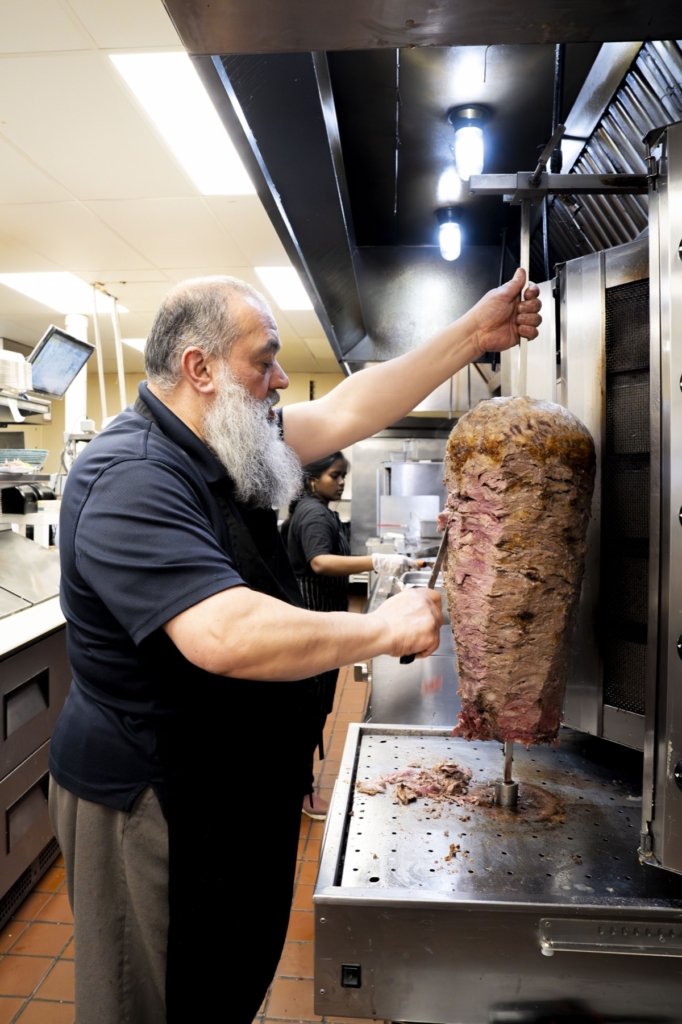
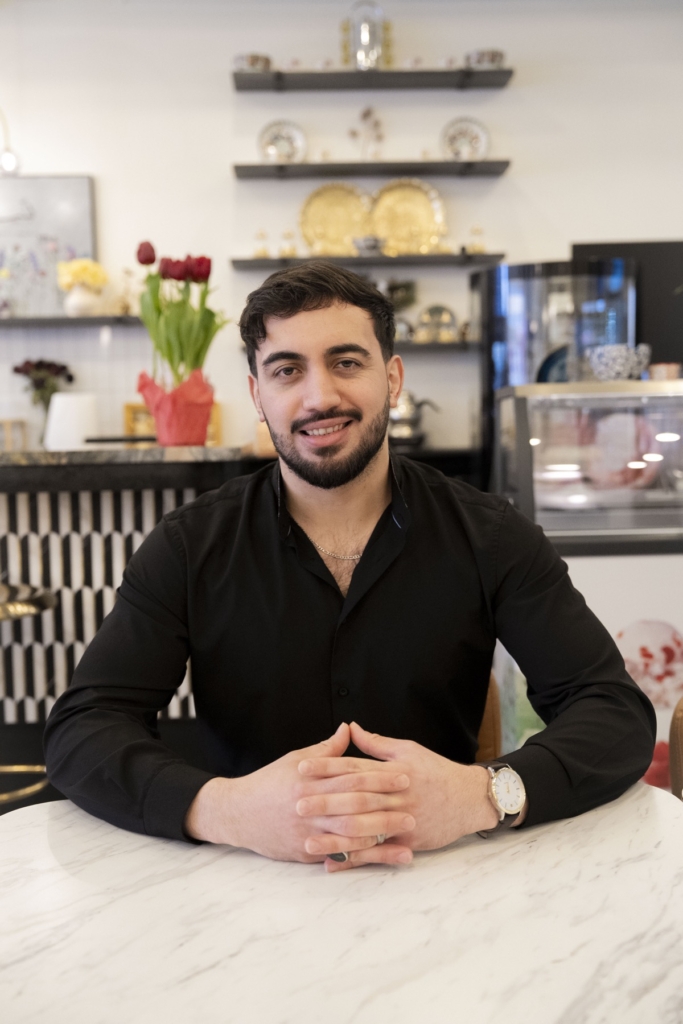
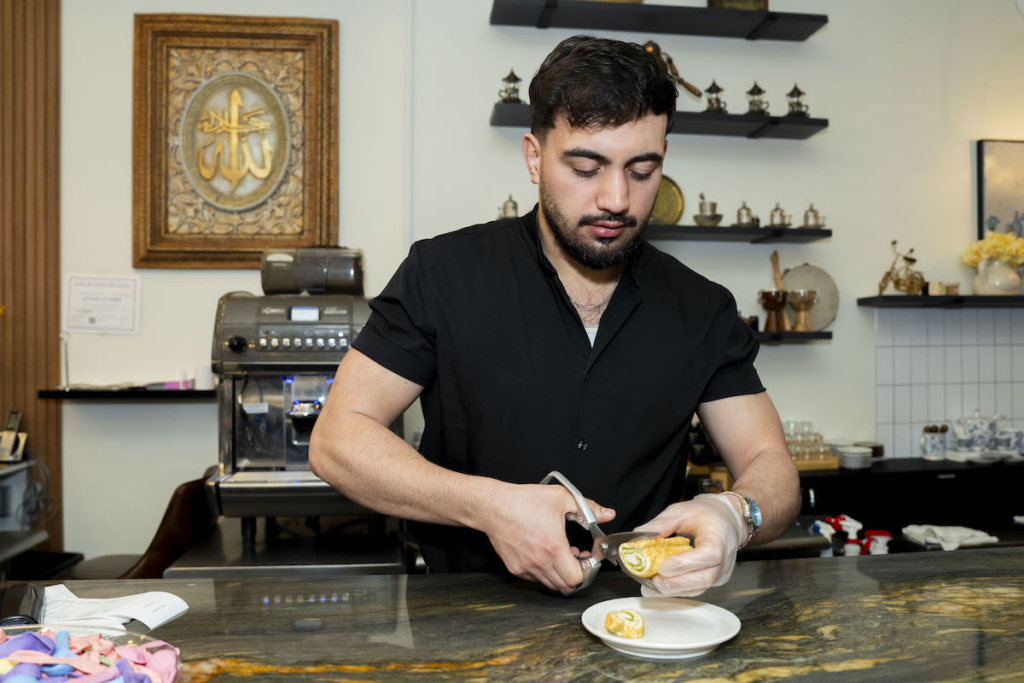
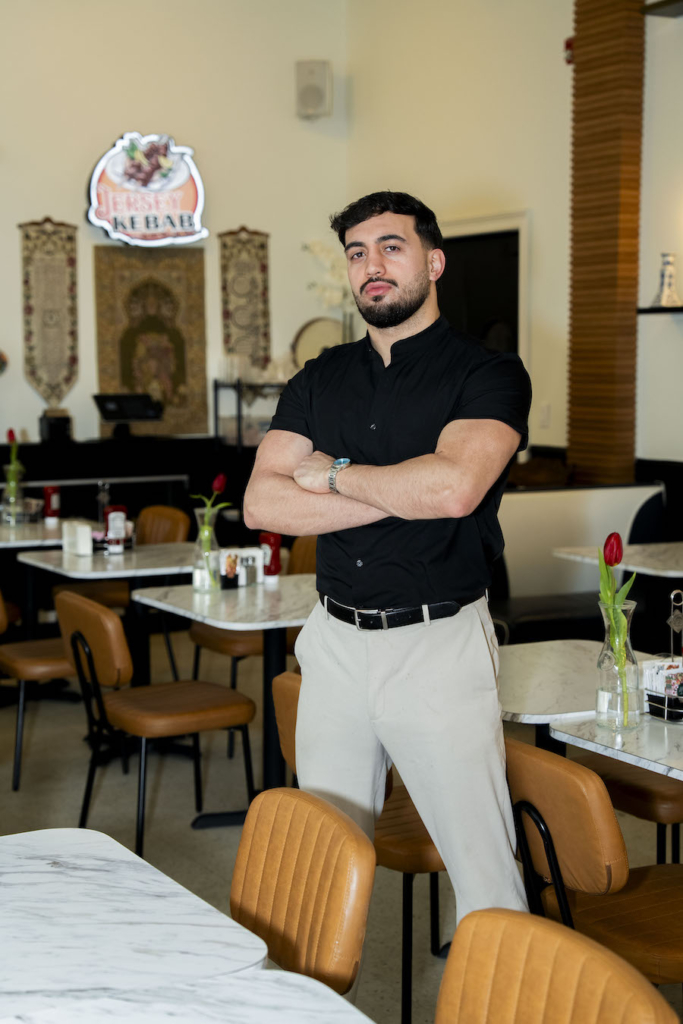
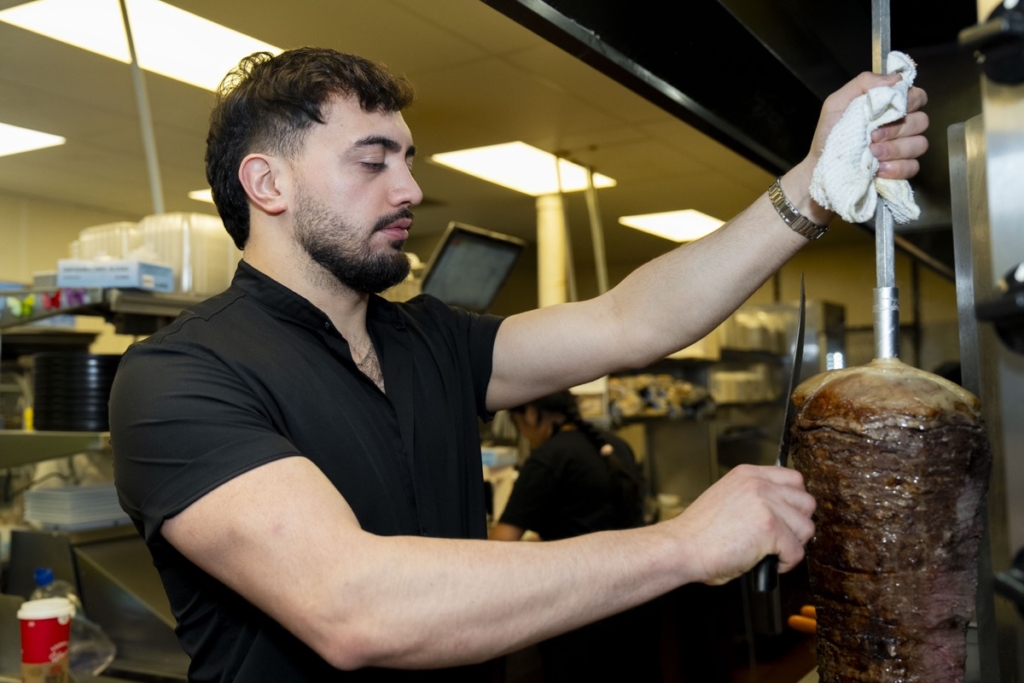
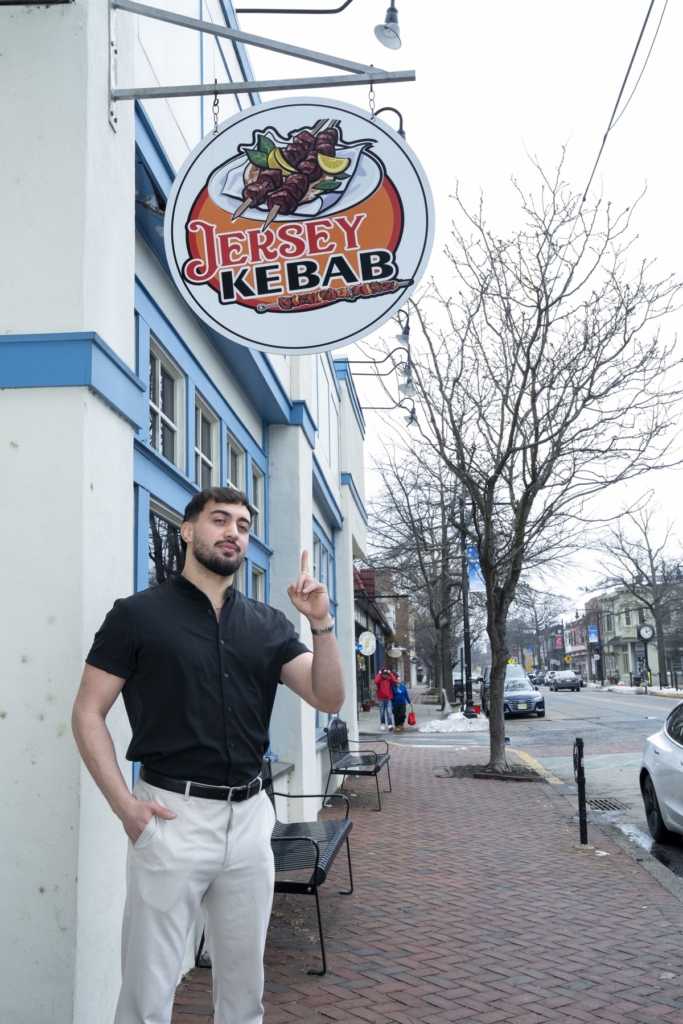
“They always called me a character,” Muhammed Emanet says of his parents, Celal and Emine. Together, the three run Jersey Kebab, which has become both a local phenomenon and an inclusive, feel-good community pillar. Emine encourages him: “Go ahead, superstar. You know what to do. Snap into character.”
Last February, Celal and his wife, Emine, who emigrated to the U.S. legally, were arrested during a U.S. Immigration and Customs Enforcement, or ICE, raid. He was released with an ankle monitor, but Emine was detained in Elizabeth in northern New Jersey for 15 days.
Community members in Haddon Township rallied — organizing vigils and letter-writing campaigns and raising $327,000 through a crowdfunding effort. Customers spoke to elected officials about the family they knew as generous people and warm neighbors. Much of that connection, they said, came from their interactions with the Emanets — especially their gregarious eldest son, Muhammed.
“In our life, business is not coming first — character, morality, courtesy comes first,” Celal explains. Calm and philosophical, Celal believes that the spirit in which you do something affects the end result. “We cook with love,” he says. He was amazed by the support the family received in the wake of the raid. “I realized that we touched people’s hearts,” he says.
In the second half of 2025, the family faced another setback when their landlord declined to renew their lease. Celal briefly considered putting the equipment into storage while searching for a new space. Then he learned the owner of Stardust Café, who is also Turkish, was ready to step away.
“I said, ‘You are talking to the right person,’” Celal recalls.
Late last year, they moved and reopened Jersey Kebab. Emine remains the main chef. During Ramadan, the party room serves as a place for prayer.
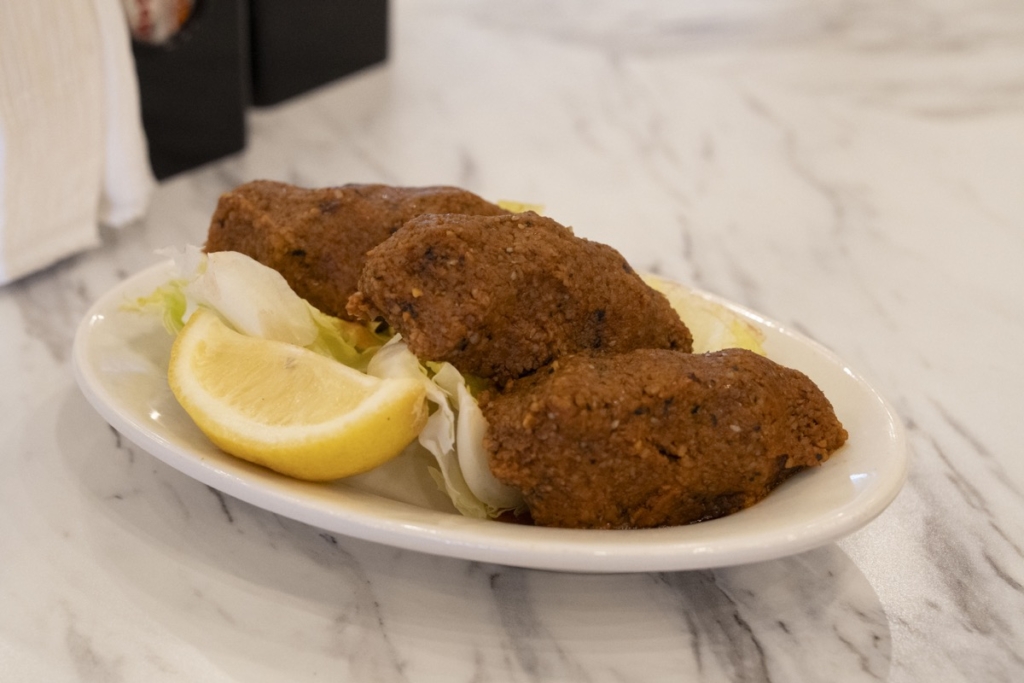
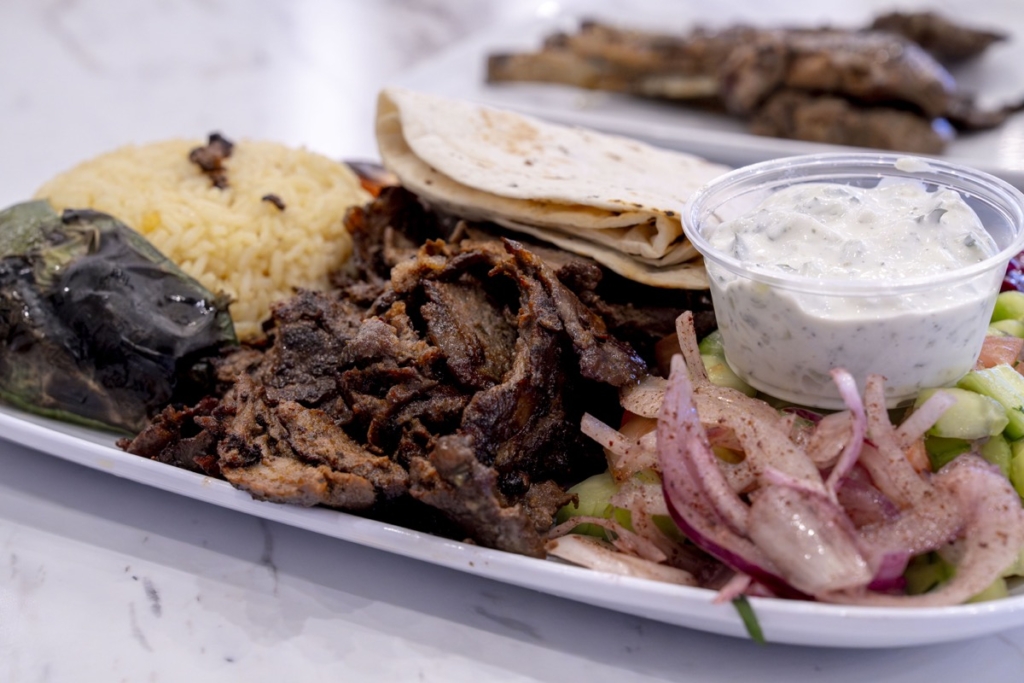
Celal walks through the menu — written by Muhammed — with visible pride. He prefers lamb to beef because it’s so juicy. He recommends the pita with Turkish salsa mezze and the Iskender kebab platter.
The menu doubles as a history lesson. The Iskender kebab description notes that the dish originated in Bursa, the first capital of the Ottoman Empire, and was created around 1860. It explains each layer: toasted Turkish pita, beef-lamb, tomato sauce, topped with sizzling butter.
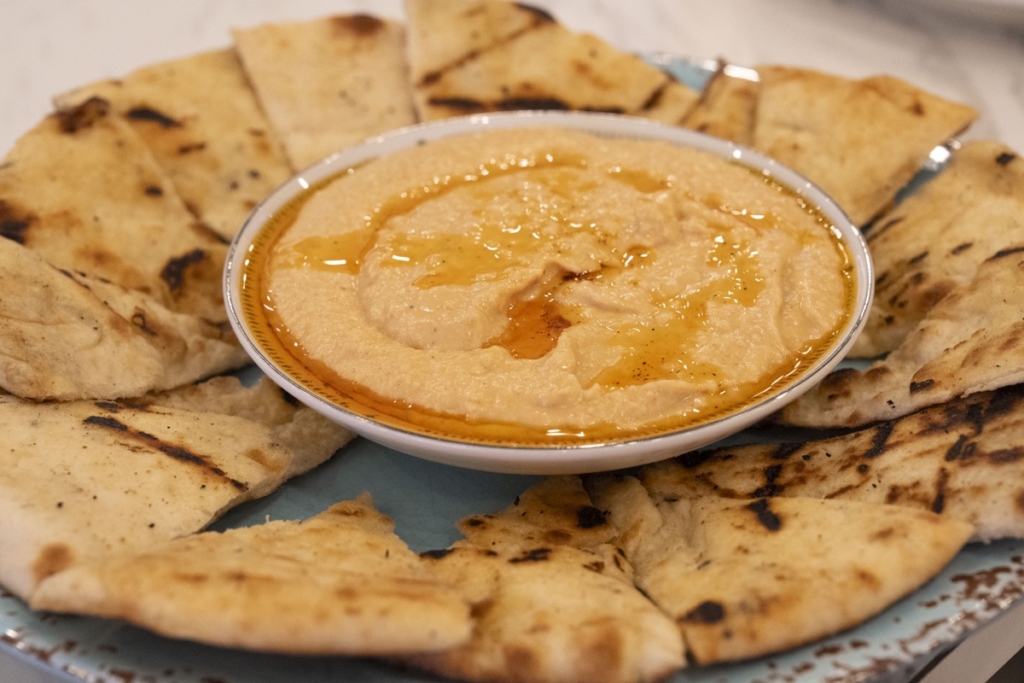
Celal tells me that Turkish people love mezze and babaganoush. They don’t eat tzatziki sauce and hummus — although the restaurant serves it, of course. (“You can’t have a Mediterranean menu without tzatziki and hummus,” Muhammed tells me later.) On gyros and sandwiches, Turkish folks use simple toppings and accompaniments: tomato, onion, and pickle.
The soups come from Celal’s mother’s recipes — red lentil, wheat chowder with lamb, yayla. “You can’t find that anywhere but here,” he says, of several soups.
For breakfast, he suggests kuymak — (“Imagine a hot, melty, buttery cheese that stretches as far as your arm can reach,” the description says, of the cornmeal-thickened concoction) — or menement (eggs, tomatoes, peppers, and cheese cooked in olive oil and topped with Mediterranean herbs) with simit (a plain soft pretzel) or cheese borek and hot Turkish tea.
Celal, a religious scholar who has written 10 books, beams as he relays that it was Muhammed’s idea to include some of the historical tidbits on the menu, which is at once educational, accessible, and entertaining.
When Muhammed Emanet was growing up, he wanted to be a detective. In college, he studied political science and criminal law on an academic scholarship. He didn’t imagine being a restaurateur, chef, or server — all roles he has played — but now at 26, he is the face of Jersey Kebab, as well as its steward and its “CEO.”
The eldest of his four siblings and a married father of two, Muhammed speaks with an off-the-cuff, exhilarating energy.
In the wake of the ICE raid, Muhammed’s articulate, openhearted interviews endeared him to the public. His energetic social-media videos — part food showcase, part community bulletin, part entertainment — have helped transform the restaurant into a phenomenon.
As a child, Muhammed longed to try certain American dishes but as a Muslim, he couldn’t eat them because of their preparation. So when the Emanet family planned for Jersey Kebab’s expansion, Muhammed — who has lived in New Jersey since he was 9 — insisted that the new iteration of their restaurant would feature American classics — and twists on those classics — with halal meat, like the cheesesteak gyro.
I ask why he calls himself the son of Collingswood in his social-media videos. He explains that since his early days at the old restaurant, senior citizens would come in, and he would spend the entire day talking with them.
“They would literally call me their son, especially after all the events [that] happened. They would say, ‘We watch your videos on Facebook and it’s like we’re watching our children.’ So they’ve been calling me the son of town for years already.”
The restaurant’s followers say to Muhammed that watching the videos makes them feel like they’re a part of the family — and Muhammed feels like they are too. Outside of his immediate family, he has no relatives here in America, so he is used to talking to his family members in Turkey on video calls. The way he speaks in his Jersey Kebab videos is the same genuine way he talks to his family, he says. (His niece has been filming his social media videos recently — that’s why the quality has gone up. Before that, he filmed everything himself.)
Sometimes he plays reporter: “This is the son of Collingswood, reporting live from Jersey Kebab.” Other times he announces free Thanksgiving leftovers, promotes food drives, or highlights craft fairs. He showcases the elasticity of kuymak by stretching it dramatically from spoon to plate. He describes different kinds of Turkish delights. He charms.
The videos are playful and educational, but they’re also central to the business, drawing people in and making them feel connected.
Before their immigration case became public, the family didn’t want to burden customers with what they were going through. Once their story was out, they stopped holding back.
“We were like, ‘Okay — now we can just spill everything,’” Muhammed says. “The only way you truly connect with somebody is if you know the real details, the real story.”
Now that their story is public, the Emanets can be themselves.
Muhammed’s experience living in America has been bound up with the U.S.’s complicated relationship with the Middle East.
“I mean, my name is Muhammed,” he says. “My dad has a long beard. My mom wears a full hijab.” His family fit the surface-level profile of the kind of family that people might fear.
He says he remembers during career day in school, he told the class he wanted to be a pilot. “The next day was 9/11,” he says, and one of the hijacker-pilots was named Mohamed. Classmates at school called him a terrorist.
When he turned 21, Muhammed was removed from his parents’ green card case. He says ICE agents arrived at his home at 5 a.m. and took him in for questioning. As they led him out, he asked his mother to throw him his soccer jersey — the one with his name and an American flag on it — and promptly put it on.
He says he was interrogated for 18 hours with chains on his ankles. It was January. He wasn’t wearing socks and his jacket was slung over a nearby chair. At one point, he recalls asking an officer, “Dude, can you hand me my jacket?”
Earlier this year, the Associated Press described Muhammed as having “blossomed into an advocate.”
He testified at the State House in support of the Immigrant Trust Act. “We’re Jersey boys,” he said, with his usual passionate and positive gusto, thinking of himself, but also of his father and his little brother. “We love Jersey and we love America!”
Only a few days before our interview, Muhammed’s deportation hearing was terminated. He doesn’t know why. Now he’s approved to get his green card.
Recently, Muhammed has started filming Turkish versions of his English videos (“the same video except in Turkish,” one of the captions reads), which makes the scope of his videos even more inclusive. He’s talked about Jersey Kebab’s “Corner of Knowledge,” where you can pick up free pamphlets about Islam. On Valentine’s Day, a corner bookshelf stacked with dozens of complimentary English translations of the Quran (“a gift from Jersey Kebab”) is nearly full. During a visit during Ramadan, there is only one left. It’s a small, unobtrusive touch. “We are an open-minded family,” Celal, who is also a chaplain, says.
Muhammed’s favorite dishes at Jersey Kebab? “Great question,” he answers. “As a meat lover, anything with meat in it. Protein is my fuel.” Enthusiastic about health and wellness, he eats meat with every meal and, when he can, he works part-time as a fitness instructor. There are a lot of young guys at his mosque and Muhammed asks them to write down everything they eat. Then he crosses out what they can’t have and puts them on a strength-training regimen.
Right now, Jersey Kebab is his focus, but Muhammed — who regularly rises at 4 a.m. to deliver bread with his dad to supplement the restaurant’s income, given the high overhead costs — has big plans for his own future.
“Jersey Kebab is my father’s dream and I’m going to continue to make sure my father’s dreams come true as much as I can, but I have dreams of my own,” he says. “I actually want to be the next mayor in town and I want to be the next governor. I want to be the commissioner, I want to be the governor, I want to do it all.”
We’re going to see him on the ballot in due time, he promises, but until then Jersey Kebab is his priority — because we all have to prioritize in life, he says.
And what does Muhammed’s mom think about all that has happened? Muhammed smiles.
“They always called me a character,” he says of his parents. His mother encourages him. “She always says, “Go ahead, superstar. You know what to do. Snap into character.”
As soon as I leave the restaurant, I pass two women on the sidewalk, one pushing a stroller. “Have you tried Jersey Kebab yet?” one woman asks the other. “It’s so good. We have to go there.”

