
When Bill and Claudette Fonshell decided to downsize after their youngest child graduated high school, they had expected to leave the community they called home for over 15 years. However, just across town they found 436 Kings Highway East, a white Federal-style twin home. It had everything they wanted — 2,200 square feet, three bedrooms, three-and-a-half baths, a designated parking spot. The home has gorgeous dark hardwood plank floors and a similarly beautiful stairwell railing. But its visible imperfections also played a crucial role in sealing the deal for the Fonshells. From an architectural perspective, “everything’s off, nothing’s even,” Claudette said, referring to the fact that it is slightly larger than its twin, 434 Kings Highway East. “But it has so much charm.”
Though more inconspicuous compared to Haddonfield’s most iconic homes, it is a surprisingly comprehensive encapsulation of Haddonfield’s history. The British settler John Kay purchased the land that would house the property in 1710. Referred to as “among the leading men of the times,” by the 19th century historian John Clement, Kay served in the General Assembly of the province of West Jersey, and as a judge. Besides what would become 436 Kings Highway East, he owned what would become the Barclay Farmstead and Croft Farm, both of which are now part of Cherry Hill.
In 1832, one half of the lot was sold to John Garwood Shivers, a bricklayer, and the other half to Joseph Shivers, a carpenter and John’s brother. The home was built a few years later, during an era where Haddonfield began to expand beyond the core downtown area, said Doug Rauschenberger, a Haddonfield historian. John Shivers is best known for building the Three Sisters brick homes next to the Indian King Tavern Museum. The home was eventually sold, and has since been used as a private residence.
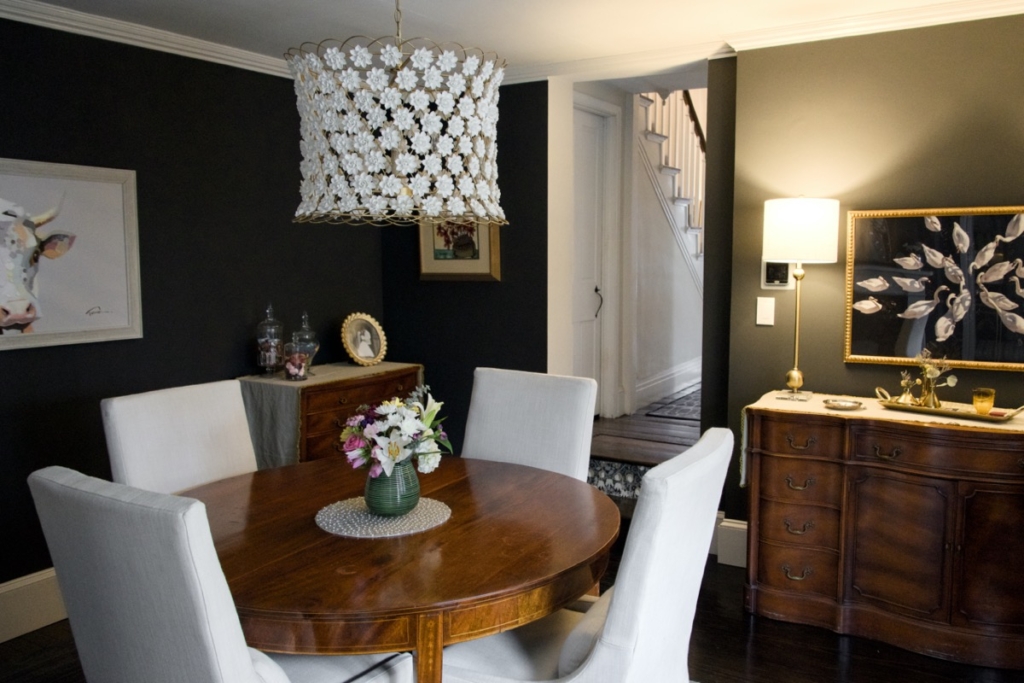
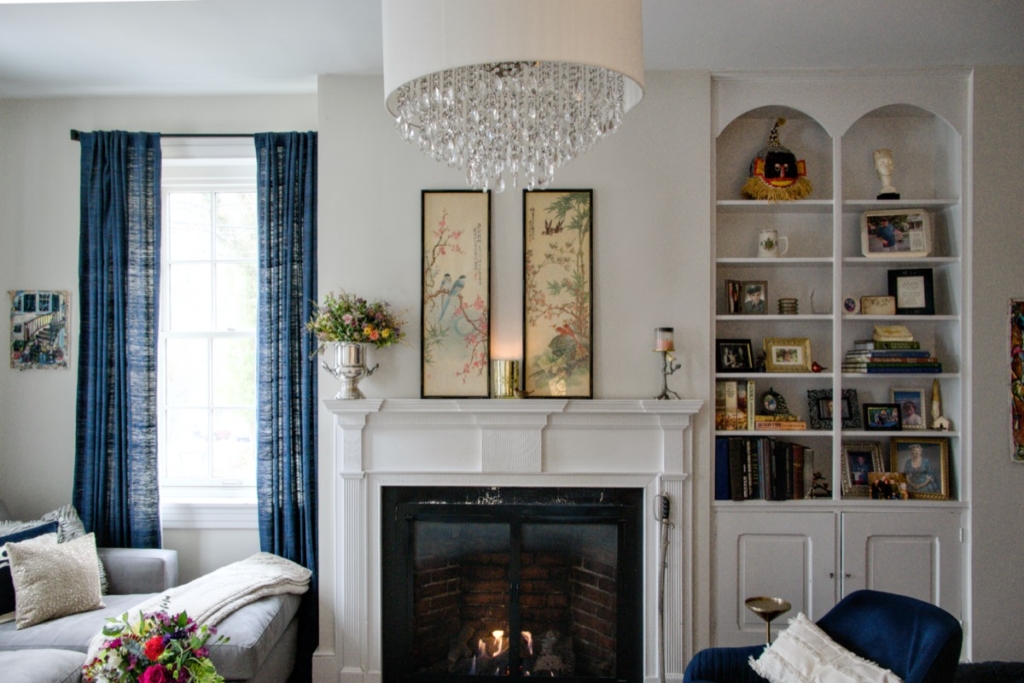
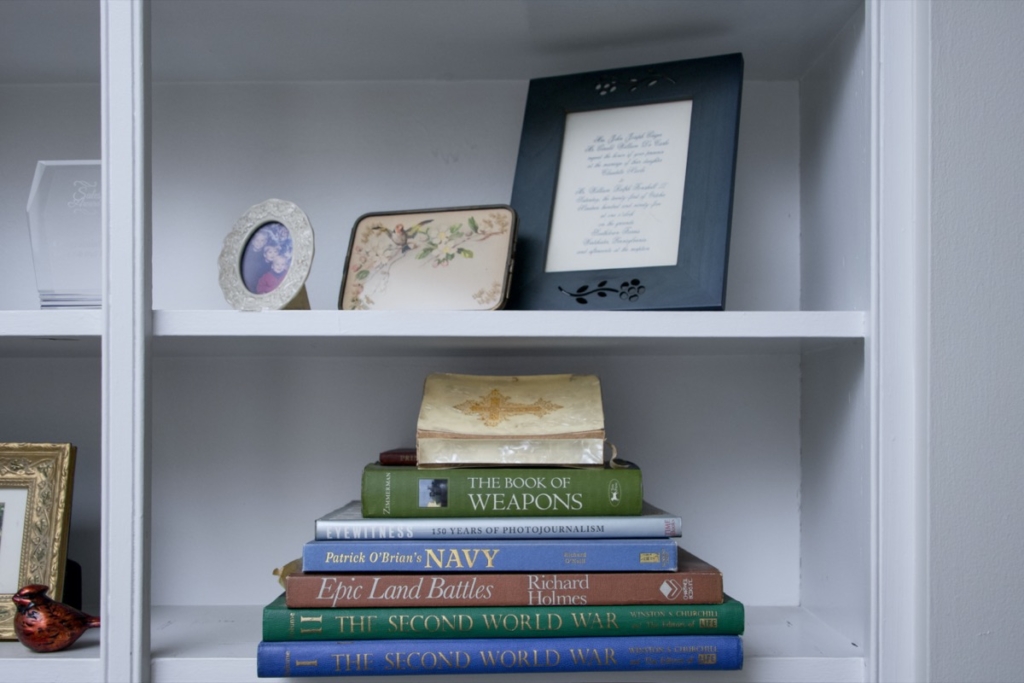
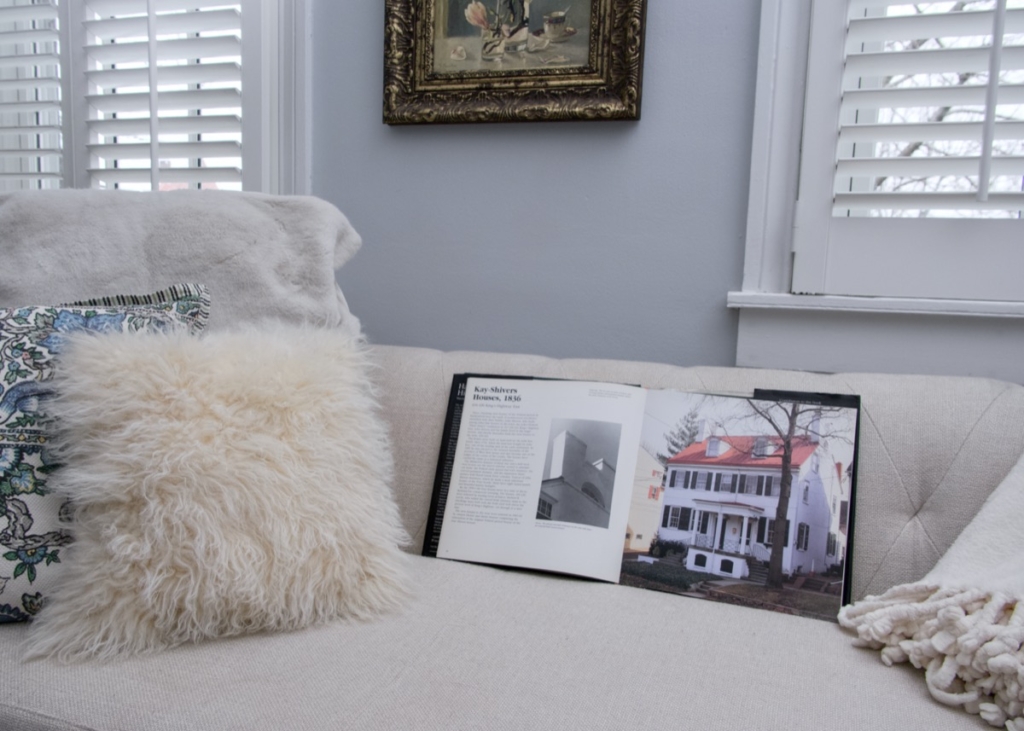
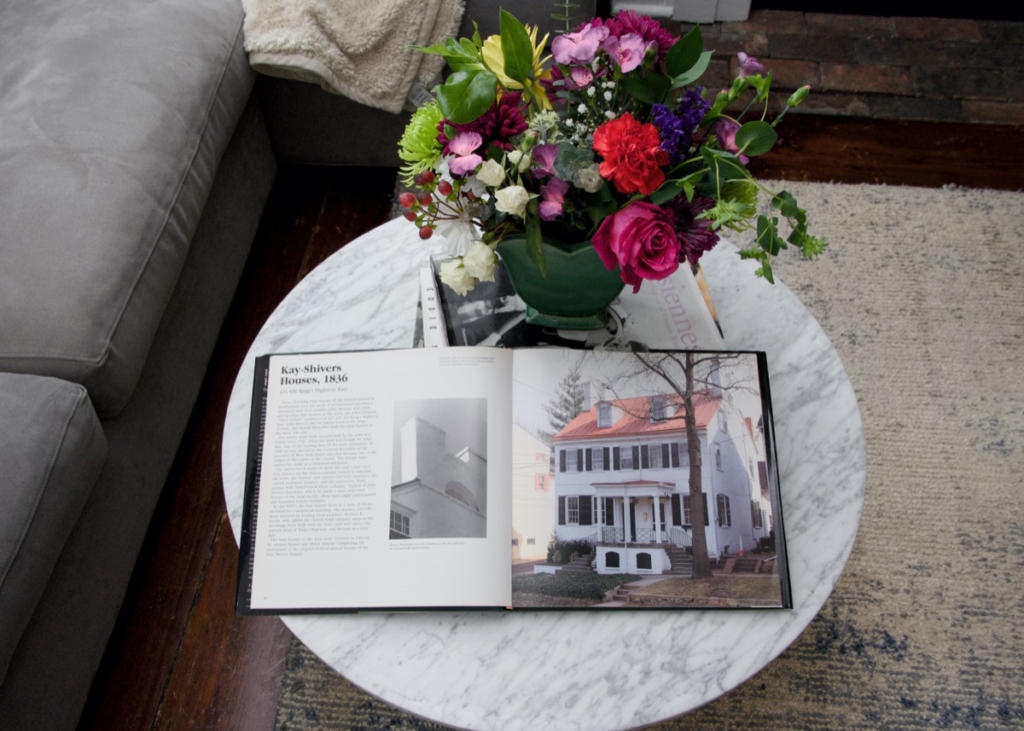

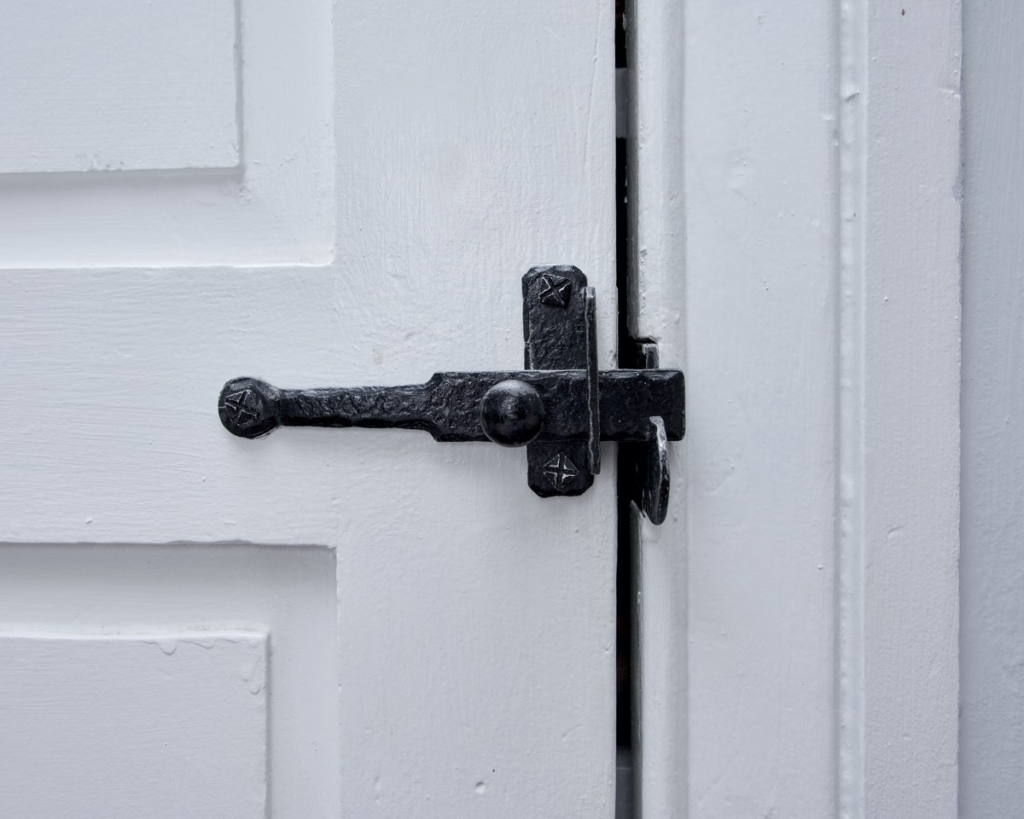
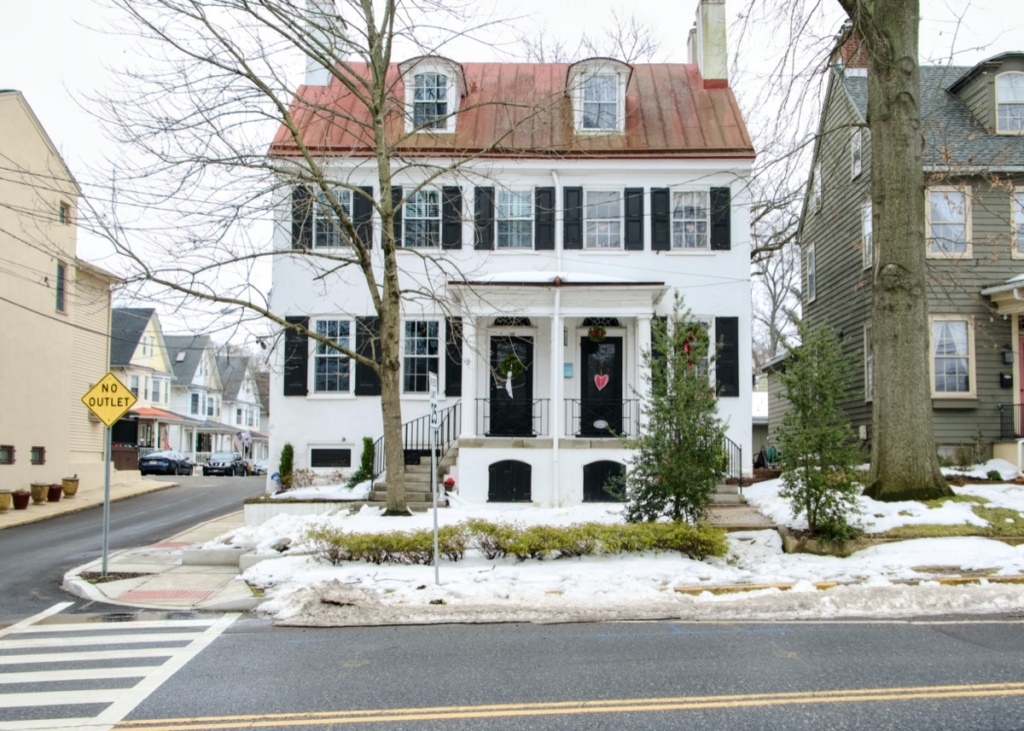
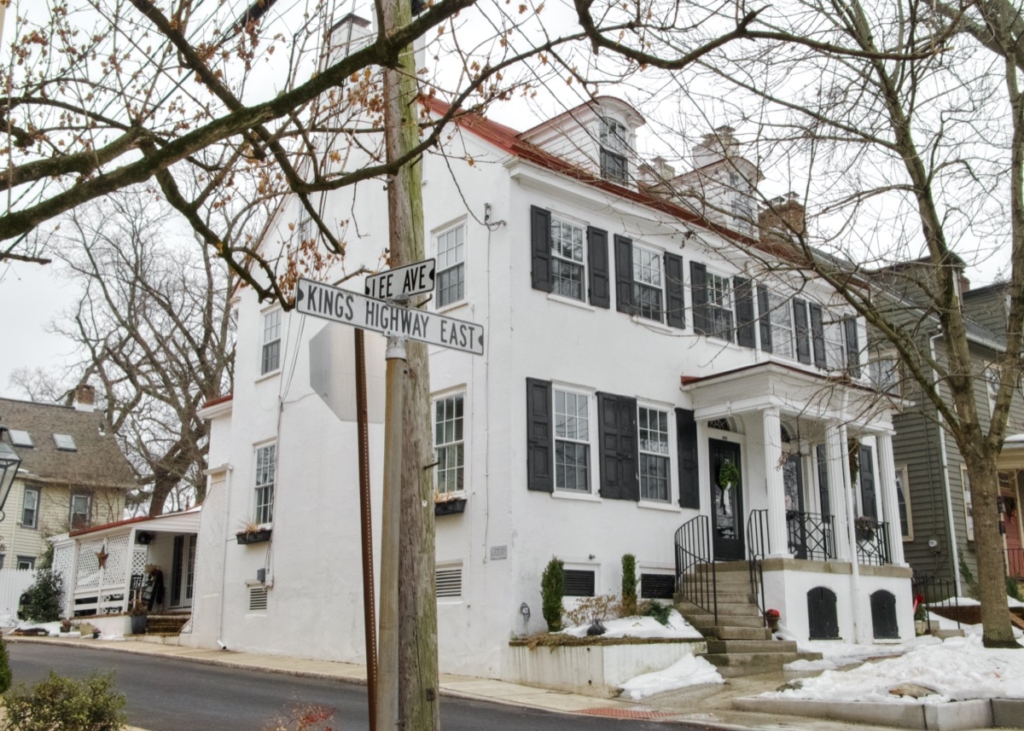
From an architectural perspective, “everything’s off, nothing’s even,” Claudette Fonshell said, noting that the home she shares with her husband at 436 Kings Highway East is slightly larger than its twin at 434. “But it has so much charm.”
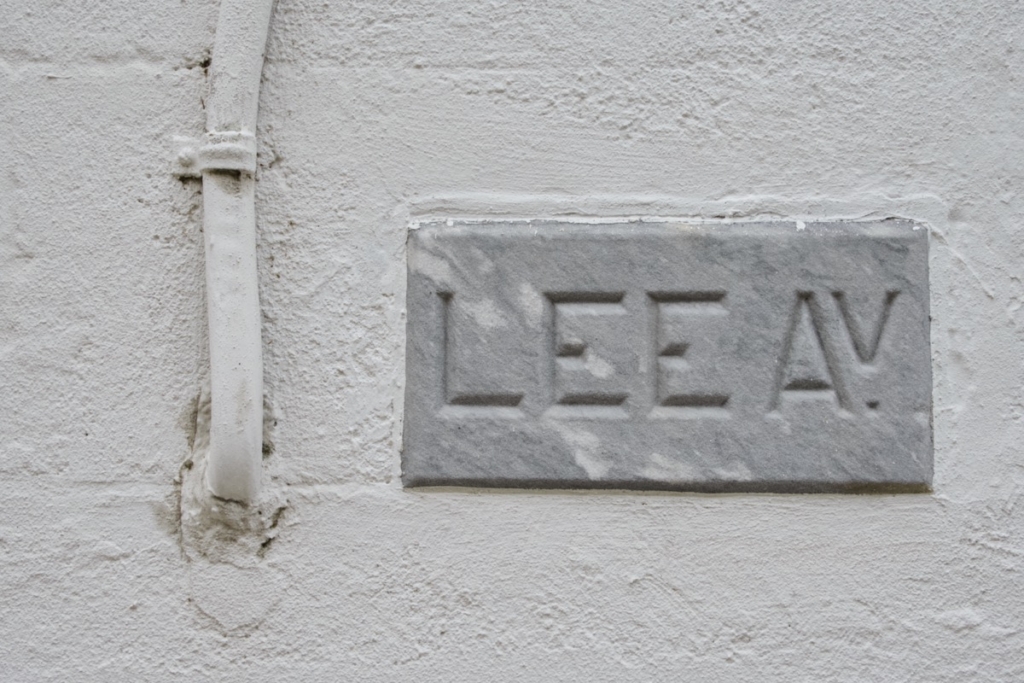
The back of the home and its small side patio face Lee Avenue. Nicknamed the lane of inches, the narrow road has a peculiar curve resulting from the crew demolishing the wrong house when building the road in the early 1920s. It’s a “tiny little enclave,” Rauschenberger said, with perhaps no other road like it in town. The road’s end overlooks Evans Pond, which is “one of the most important historical places in Haddonfield,” said Deborah A. Garwood, a Historical Society of Haddonfield trustee. Beginning with the construction of the original dam in 1697, the pond supported the mills that helped to make Haddonfield a regional business center until the turn of the 20th century. The pond later served as an important space for social gatherings and recreation, and it is now a part of Wallworth Park.
The home’s most notable moment in the spotlight came in the 1960s, when it was restored by prominent local architect Herbert R. Leicht, according to Rauschenberger. At the time, Haddonfield was on the path to becoming the office hub of southern New Jersey. But in 1966, after the demolition of a Victorian home on Kings Highway West, residents had enough. They demanded the borough protect historic property from developers. At the time, local officials were uninterested as “historic preservation was a new concept and obviously a controversial one, because it affects what people can do with their private property,” Rauschenberger said.
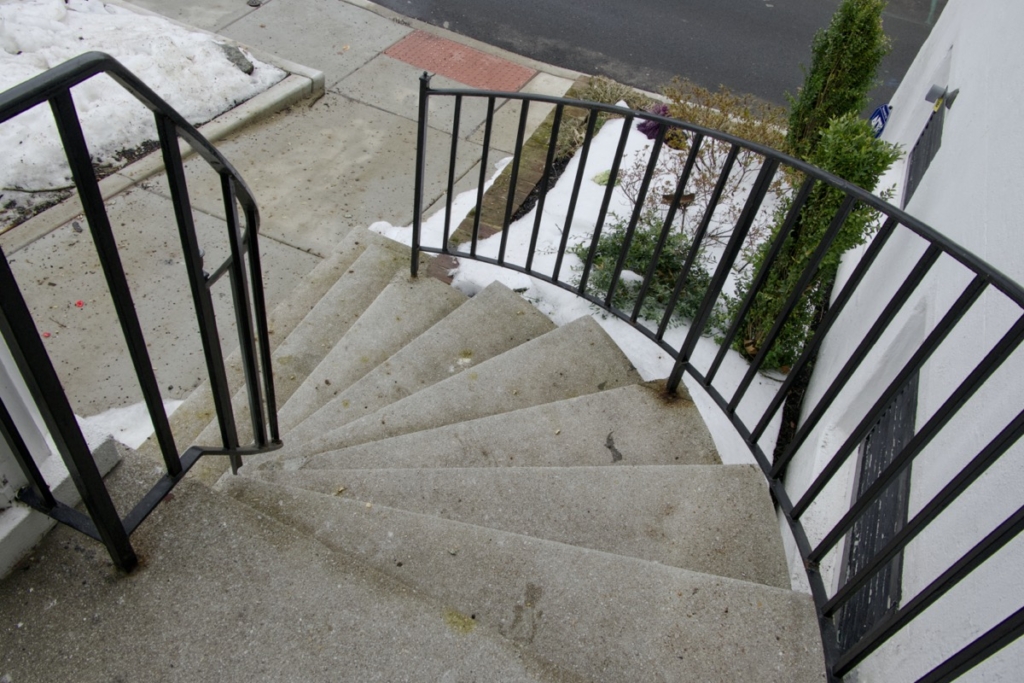
According to Rauschenberger, after relentless badgering from residents, the commissioners agreed to put the creation of a historic district up for a vote. During the referendum campaign, 436 Kings Highway East was highlighted as an example of what restoration could be. One of the home’s most prominent features, the white curved front entrance steps were added during the restoration. Voters approved the referendum and the historic district ordinance was approved in 1971, and subsequently Haddonfield became the second town in the state to establish a historical district. The district, which includes 436 Kings Highway East, was added to the New Jersey Register of Historic Places in 1980, and to the National Register of Historic Places in 1982.
Since then, not much has changed — which means that history has, in fact, been preserved. According to property records, the building was changed from a house with one apartment to a single family home in 1987 with the borough issuing a certificate of occupancy in 1990 approving the conversion from a two family home back to a single family home. Air conditioning was also added around that time. The Fonshells hope to celebrate the home’s bicentennial coming up in the next decade, growing older with the home’s inevitable shifts over time.


